
The brief for this exercise is, using slow shutter speeds, multiple exposures or another technique inspired by the research done for A Durational Space, to try and record the trace of movement within the frame.
For this exercise I used the camera on my phone and an application called Slit Scan Camera developed by Jan Rychtář.
The shooting process for all of the images below was to select how wide the slit was in pixels, the application allows slits from 1 to 10 pixels in width. The application does not allow you to zoom in on a subject, so you must move to get your subject as you want it.
If you are holding the camera in your hand then, unless you have a very steady hand the resultant image will pick up any movement of your hands, especially when using smaller slit widths. Using a stand or tripod to rest the camera on would give a steadier image.
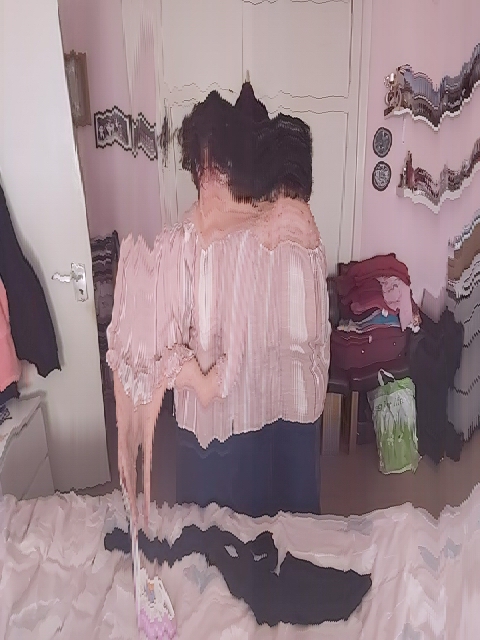
The above is my wife turning in place while the camera was capturing her image using a slit width of approximately 2 pixels.
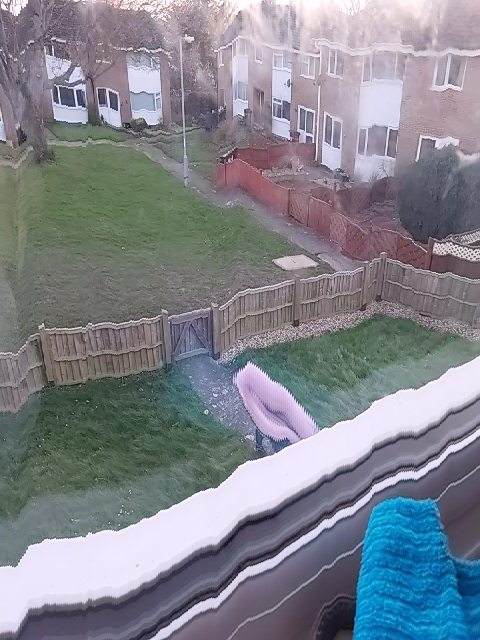
The above was taken from an upstairs window as my wife was coming home from work. I particularly like the misty look to the top and sides of the image.
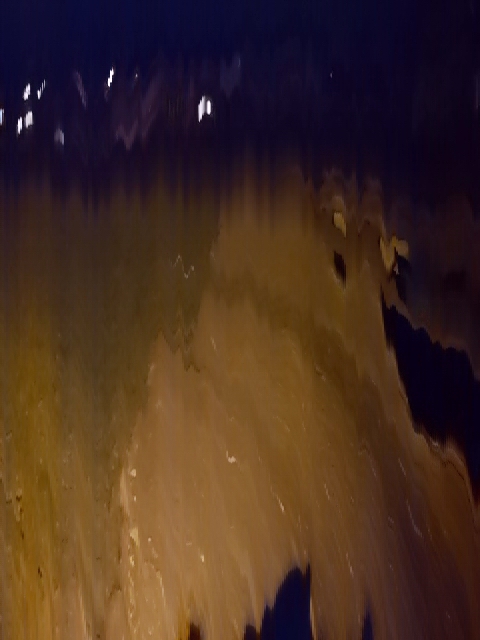
The image above was taken while walking from my car to the house one evening. I decided to see what would happen if, rather than standing still, you captured something while walking forward. I feel that there is something haunting about the image, almost like you have captured an apparition.
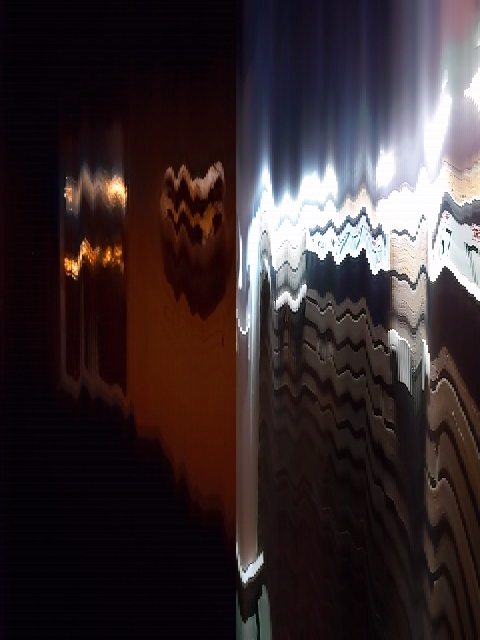
Another image captured while walking forwards, this time approaching my house. The jagged orange object reminds me of a carved Halloween pumpkin.
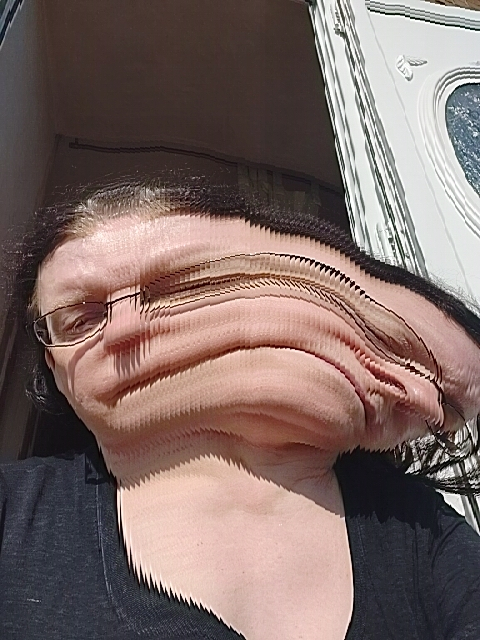
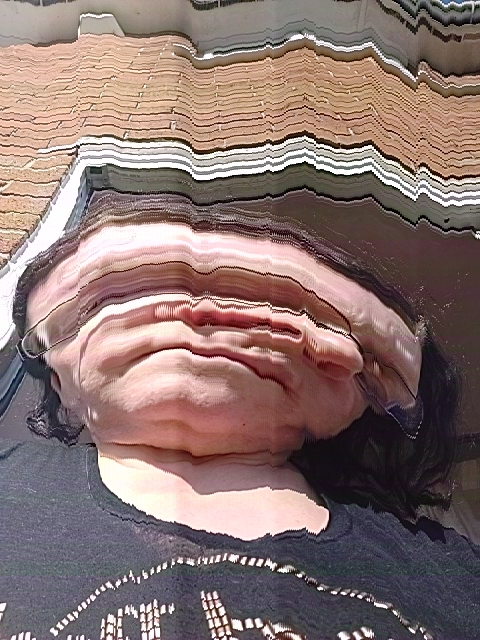
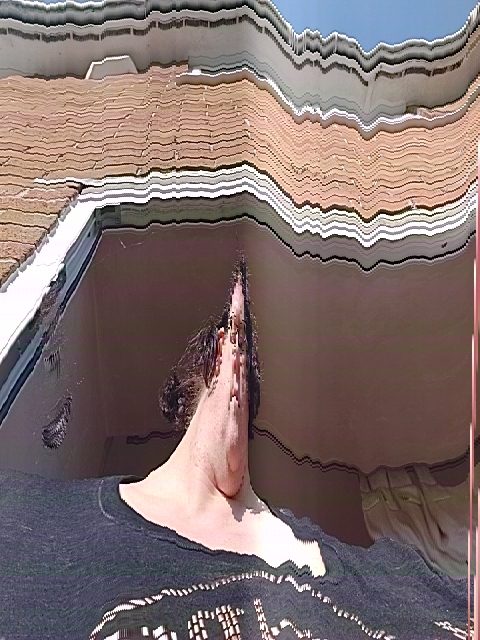
The images above were taken to see what effects could be achieved simply by moving the head from side to side. Very much a different type of selfie.
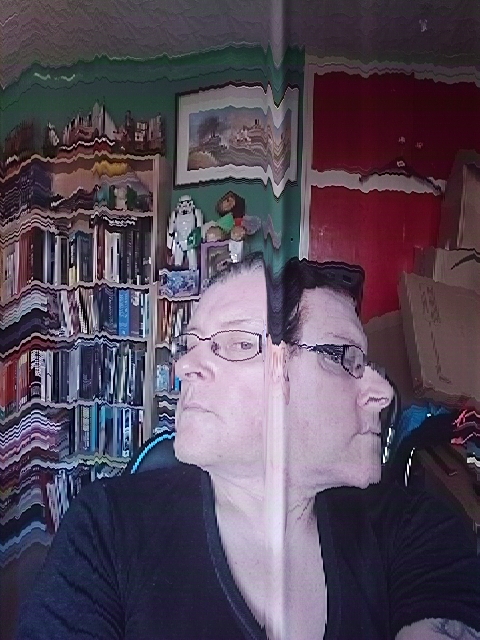
Finally, I wanted to try and replicate and image I tried some time ago where the subject was looking in two different directions. I achieved the above by starting the Slit Scan application capturing the image and at the point it was halfway through the image capture, turned my head 180 degrees.
Recording movement in an image is challenging but there are many ways to do it. Focussing on a moving object and panning with it as it moves before triggering the shutter, slowing shutter speeds, all of these have their own uses depending on the result that the photographer is aiming to achieve. However, some methods are more appropriate than others.
Blurring movement completely might be useful in some situations but in others, for instance motor sports would not be appropriate, however, panning would be if you wanted to have the vehicle in focus. Using a slower shutter speed would be appropriate if you wanted to show the background clearly but have the vehicle a blur of motion through the image. As with any image, it is what you are aiming to achieve that influences how you capture it.
 Jenna Powell - Expressing Your Vision
Leave a comment