
The following is the result of reading the following by Terry Barrett and some of the points raised: –
‘Photographs and Context’: terrybarrettosu.com/wp-content/uploads/2017/08/B_PhotAndCont_97.pdf
How a photograph is interpreted can easily be different to what the photographer intended. Especially if the photographer is not involved in how their image is used.
When a person gives consent for their image to be used that does not mean that it can be used however, we want to use it. Images should not be used in a way that implies something negative about a person without that person giving their permission. The use of stock photos is an area where a photographer should think carefully about how their image may be used in the future.
Where a photograph is published can add weight to an image. Something that is published in a publication like the Daily Inquirer or the Daily (Sunday) Sport might not be given a lot of credence, but an image published in The Times or some other respected publication could give an image a lot more creditability. For example, Doisneau’s image if published in a tabloid paper might be dismissed as just another case of the paper trying to make something from nothing, whereas if it were used in a reputable publication would be treated a lot more seriously.
Such images have appeared on social which cause uproar. For instance, images of several hunters posing next to slaughtered animals have resulted in a backlash against the person in the photograph.
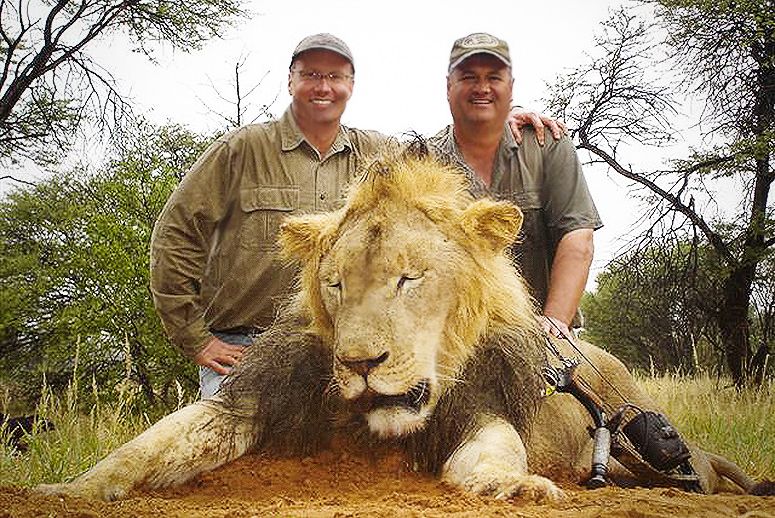
The American dentist that was shown posing with the dead body of Cecil the Lion caused a media storm when it came to light.
The image of Steven Spielberg posing with a dead Triceratops also caused a storm on social media with people commenting that he should never have killed the animal.
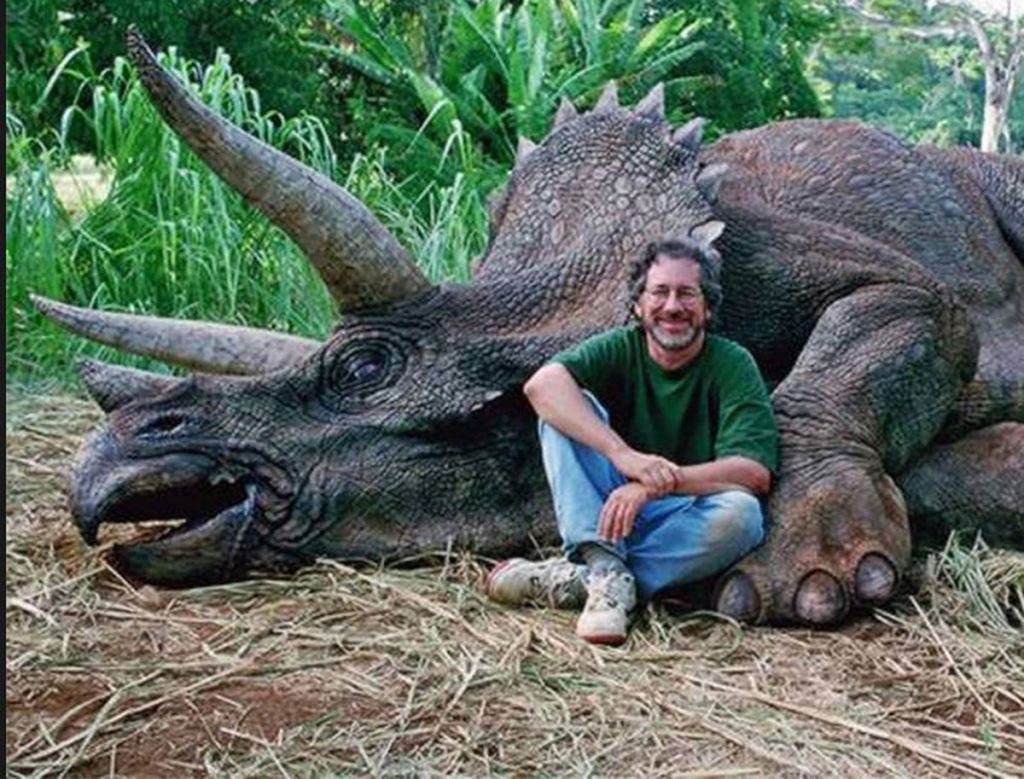
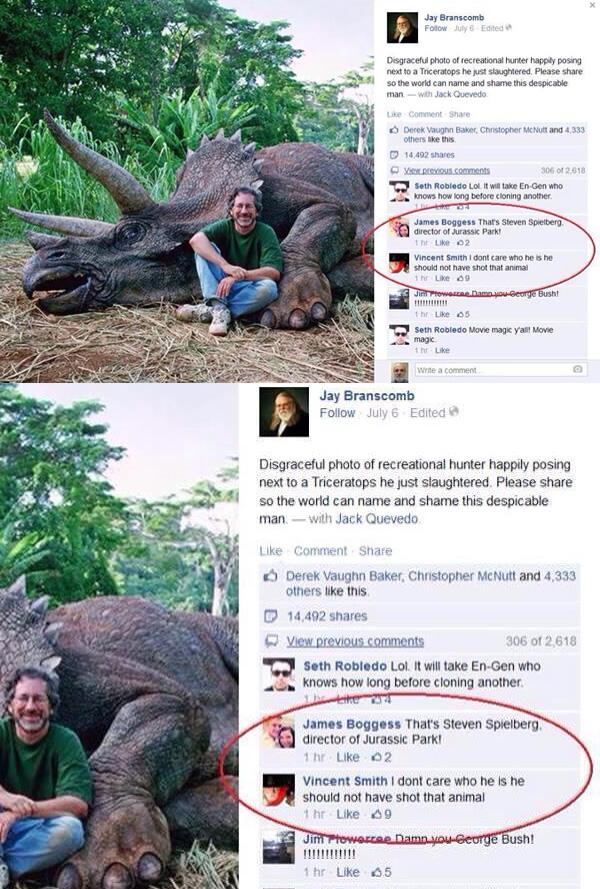
Of the two images, one rightly resulted in anger and dismay that someone could take pride in killing another living thing for sport. The other demonstrates that some people will take an image at face value and get upset, without taking the time to think about what they are presented with. It also shows that context is important. An image such as Spielberg’s would not have seemed out of place in one of the Jurassic Park films, but when presented as a simple image suddenly takes on a different, more unacceptable meaning, especially if you don’t have a sense of humour or lack the knowledge that dinosaurs died out 65 million years ago, and Jurassic Park isn’t a documentary but a movie.
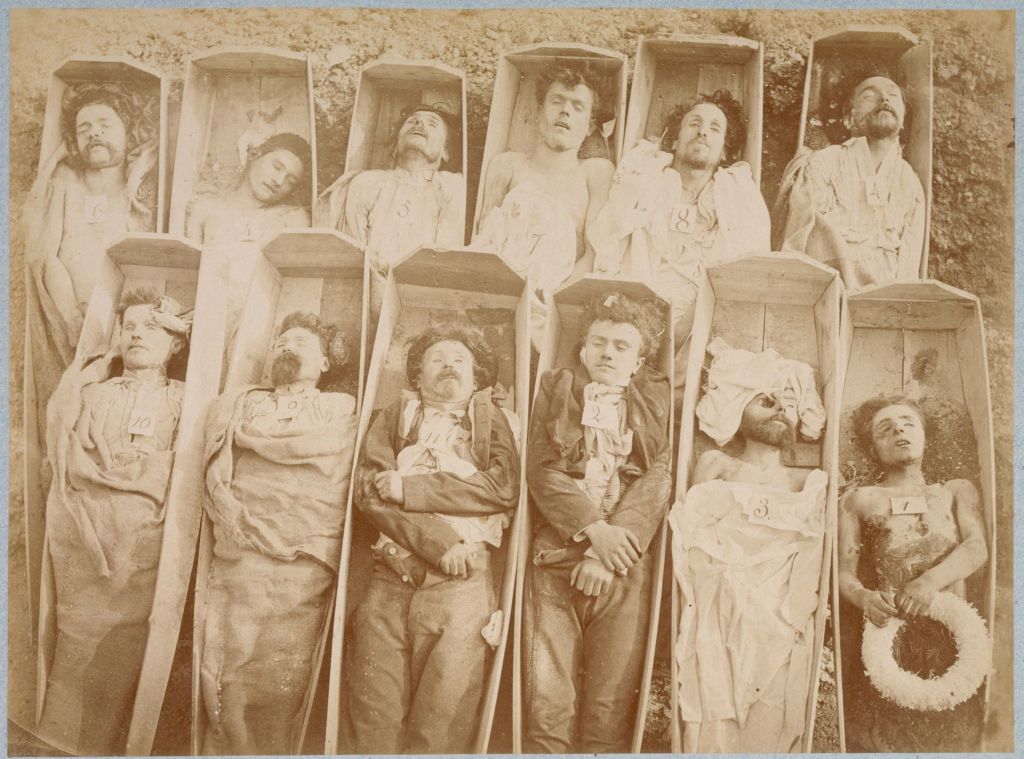
The way we see photographs changes over time. Images that were captured in the early days of photography, such as Dead Communards, 1871, would have had a been a way of providing a record of the death of enemies of the State and a way to make a political statement. Now over a century later, images like this help us to understand the history of photography by highlighting some of its uses.
Images like this, when viewed at the time, would have had a personal impact on some of those that saw them. Here were men who would have been someone’s son, brother, father, husband. Seeing them like this must have been traumatic, especially if, as may have been the case, you did not know that a loved one had been killed but hoped that they had escaped and may one day return. For descendants of these people, seeing the image of someone that they may have been told about by family members because their stories had been passed down the generations, seeing the images in books where some stranger dissects them as a means of discussing a period in photography must be a strange experience.
How a photograph is presented, can change depending on how what else we add to it. The photograph by Eddie Adams of Nguyễn Văn Lém being executed when published in a Western newspaper, was one of the triggers for the anti-war movement, but what if the wording around the story had been different, or even in a country with a completely different regime.
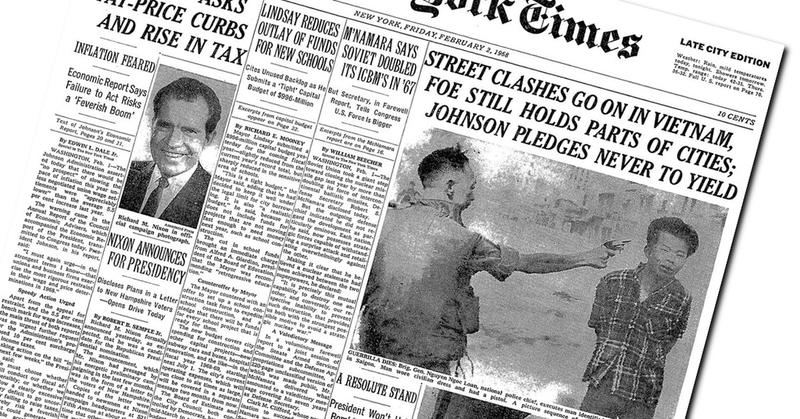
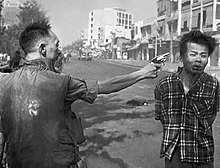
In this time of conflict, looking after and providing for those who would harm us is detrimental to our own people.
Such an image could be used to provide support for the actions of a regime. Such a statement might seem far-fetched, but there are people who make statements about those who are on Death Row or serving life sentences in prison for capital crimes. Why should we look after these people and allow them to live when their victims do not have that option?
How we view photographs is complex. It is not just a case of viewing the image but also a case of looking at it in context. An image that might seem perfectly normal in from the viewpoint of today’s society, may when put in the context of its time and place, show something that society frowned upon, and vice versa.
Here we return to the image of hunters with their trophies. Images as below, when put in the context of their time would not have raised an eyebrow and been acceptable to a lot of people, but if these images were from the present day would be far from that.
Images taken from the Irish Mirror 29th July 2015 (https://www.irishmirror.ie/news/cecil-lion-shocking-pictures-reveal-6158818)
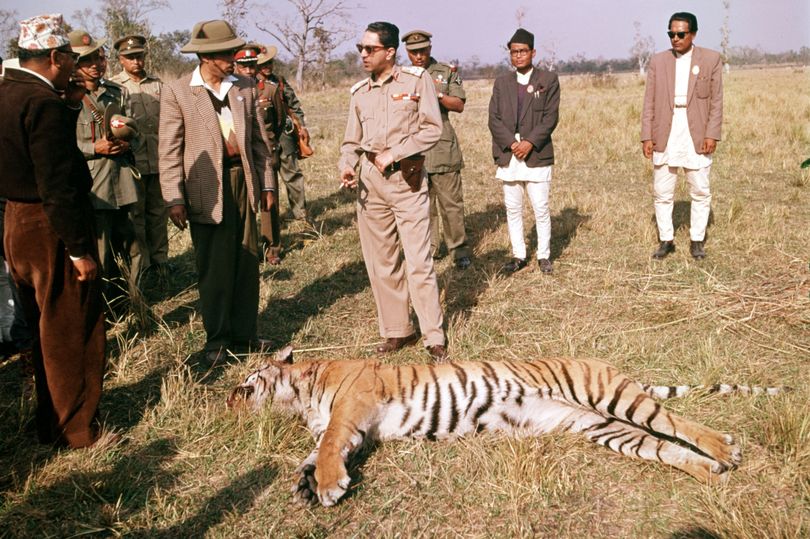
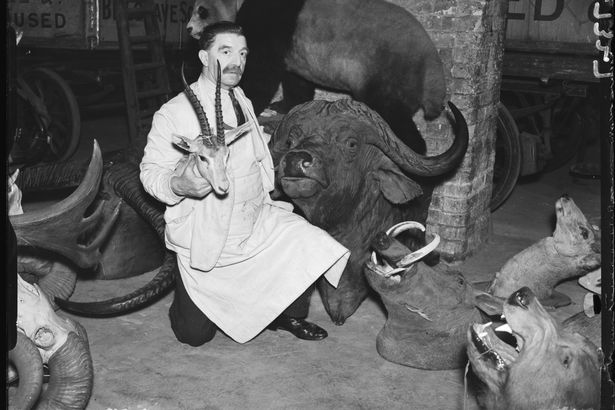
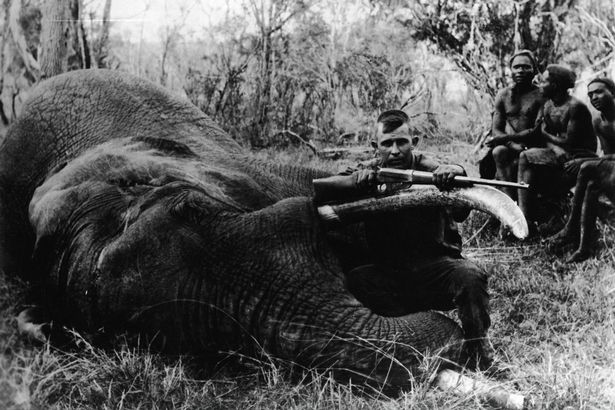
Images like these, which would have been mementos at the time, are more historical now, and a record of mankind’s, not so dim and distant, past. A past that we continue to see differently as we evolve as a species and become more ethical and understanding of the world around us and out place within it.
 Jenna Powell - Expressing Your Vision