
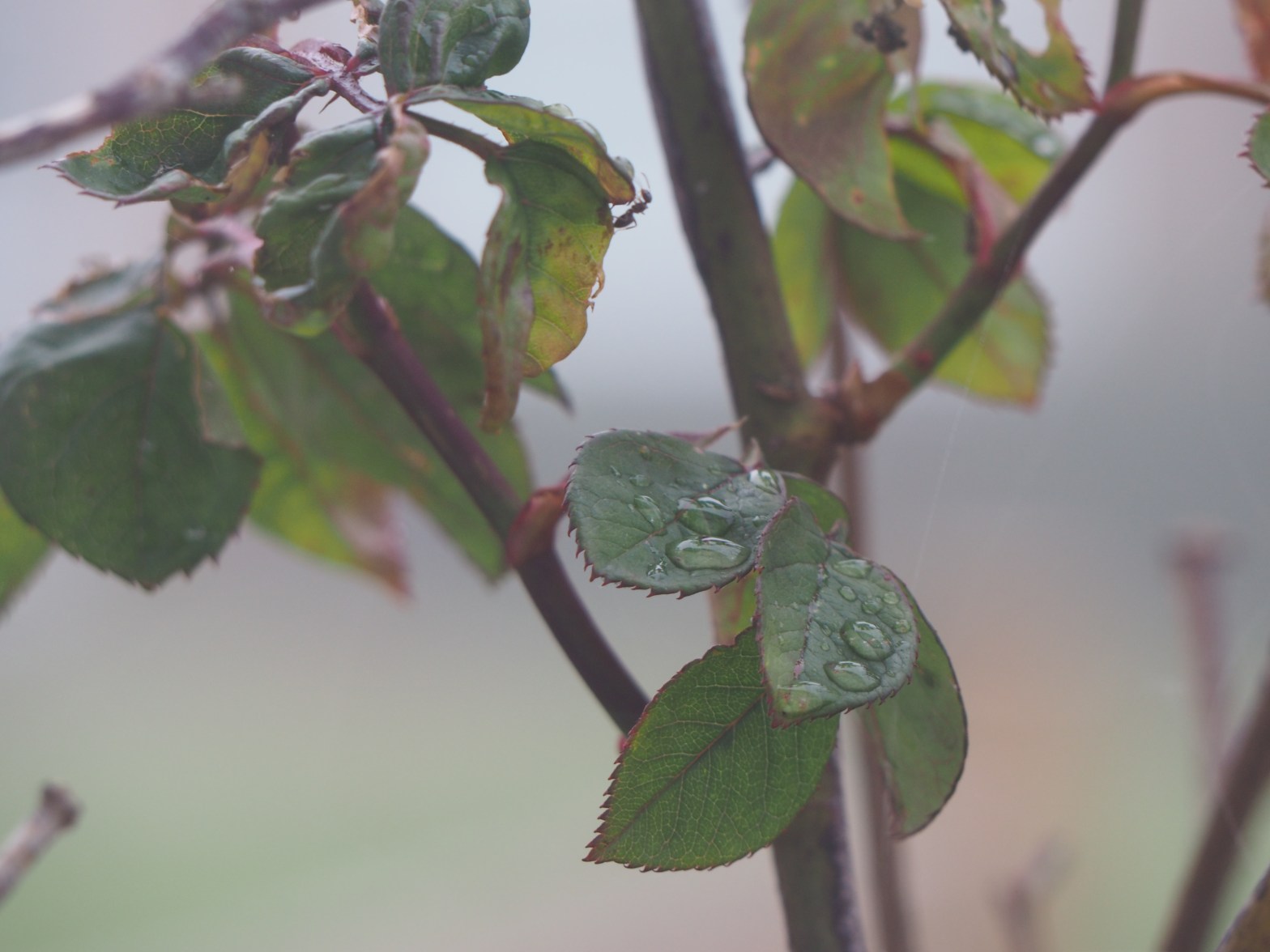
Wim Wenders ‘ The most political decision you make is where you direct people’s eyes. In other words, what you show people, day in and day out, is political… And the most politically indoctrinating thing you can do to a human being is to show him, every day, that there can be no change. ‘(Wim …
Category Archives: Coursework
Exercise 2.3: Focus

The brief for this exercise was to find a location with a good light for a portrait shot. Place your subject some distance in front of a simple background and select a wide aperture together with a moderately long focal length. Take a viewpoint about one and a half metres from your subject, allowing you …
Exercise 1.4: Frame
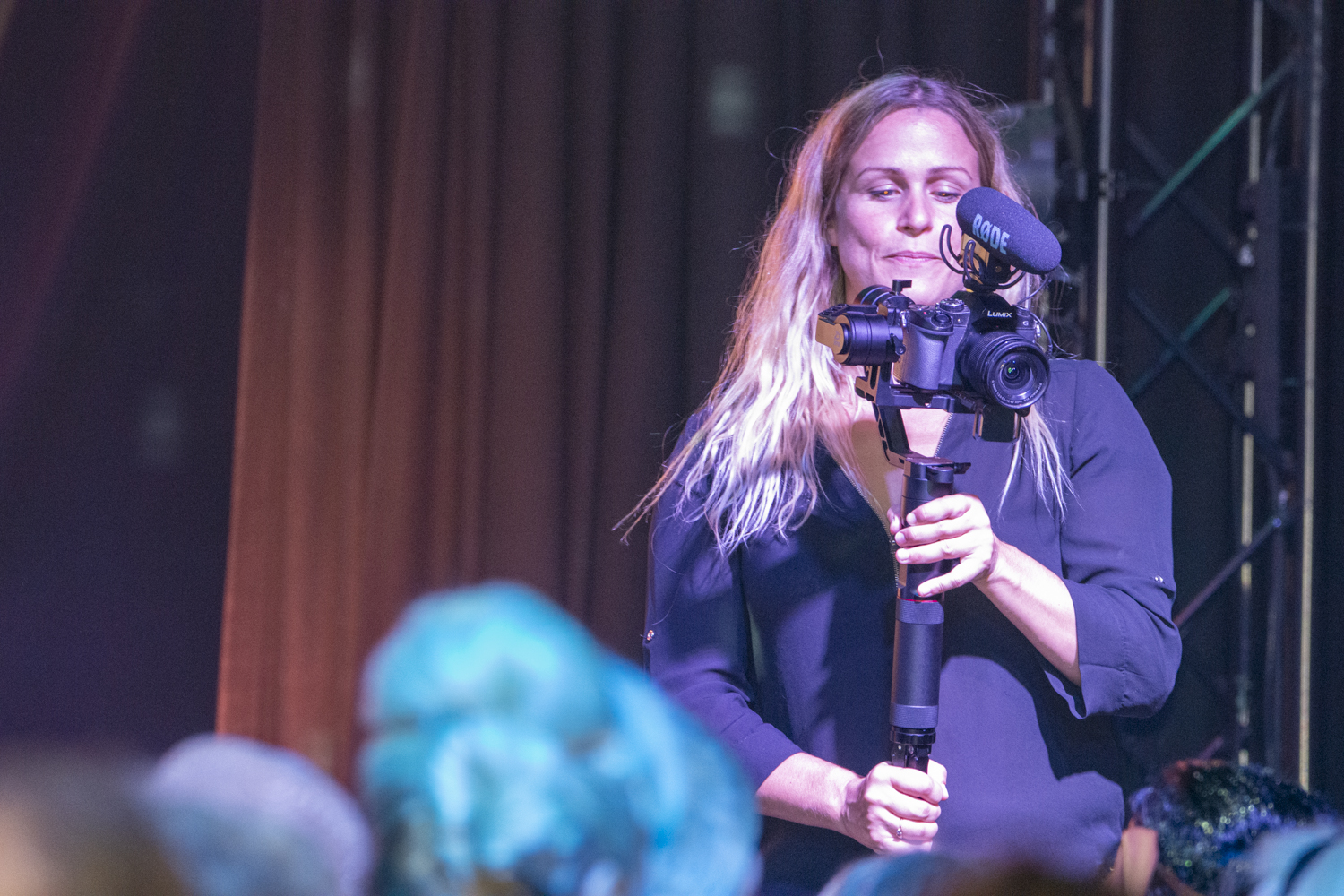
The brief for this exercise was to make use of the grid display on the camera. A nuber of shots were to be taken, each composed within a single section of the viewfinder grid. The rest of the frame does not need to be composed. Any combination of grid section, subject and viewpoint can be …
Thomas Ruff – jpegs
http://davidcampany.com/thomas-ruff-the-aesthetics-of-the-pixel http://jmcolberg.com/weblog/2009/04/review_jpegs_by_thomas_ruff The above links are referenced in the course manual in Part 1 Project 3 Surface and Depth. The review by Colberg leaves you with the impression that he appreciates the work that has gone into producing jpegs but they are a little disappointed in it. Colberg starts their review by admitting that Ruff …
Exercise 1.3 The Line
For this exercise the brief was to take a number of shots using lines to create a sense of depth. The set of images below are where I’ve attempted to do this. Part 1 Take a number of shots using lines to create a sense of depth. In “Wood and stream“, the path of the …
Exercise 1.2: The Point
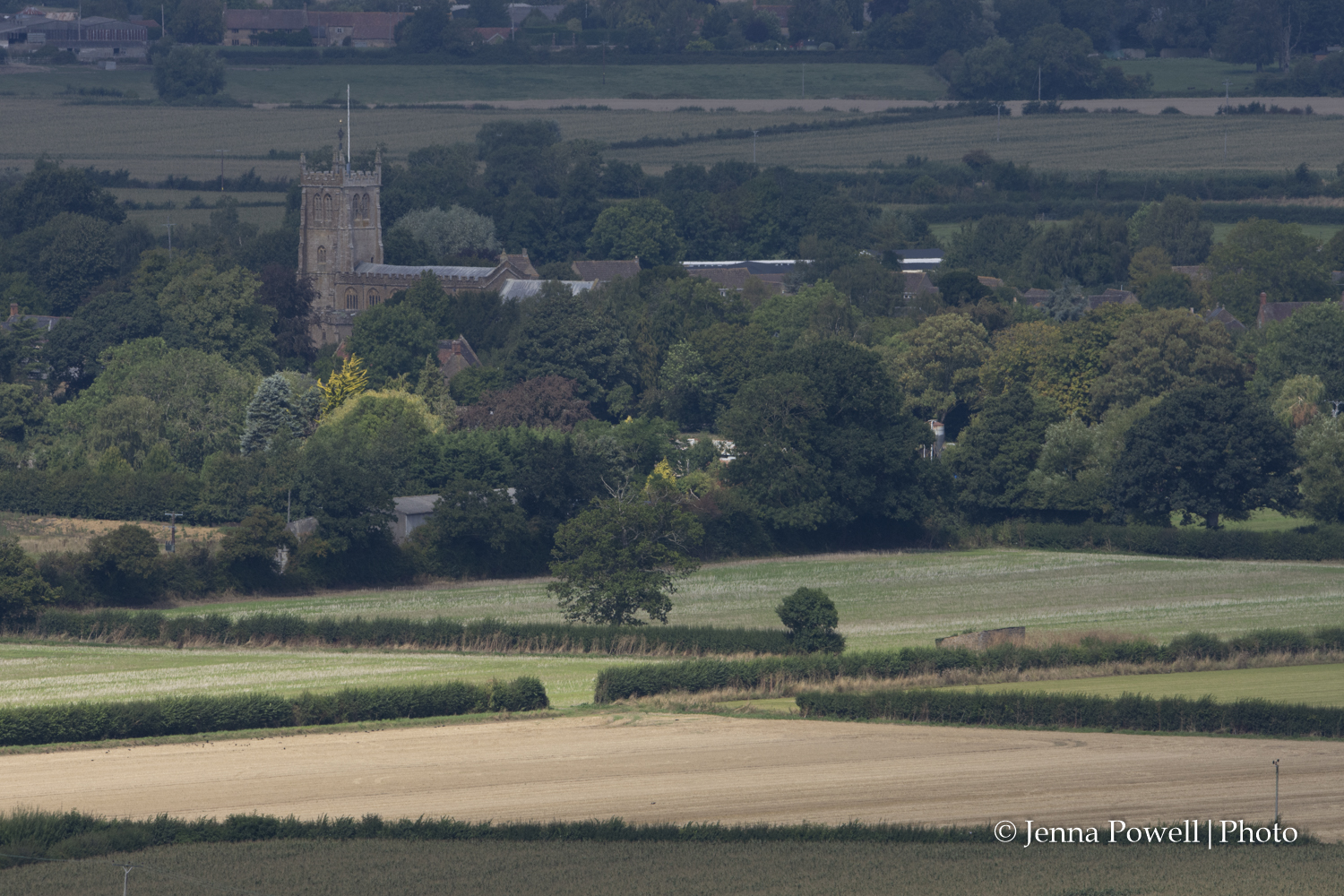
My first attempt at this exercise, for which I have no copies of the photos because I wiped the memory card before checking that I’d copied the images off, was of two of my neighbours cats sitting on top of the garages next to my house. Reviewing the images I could see that I’d done …
Exercise 1.1 The instrument
The brief for this exercise was to take three or four exposures of the same scene, without changing anything on the camera and keeping the framing the same. Following that the histogram for each photo was to be examined and the small variations in the histogram noted. The sequence, along with time info from the …
 Jenna Powell - Expressing Your Vision