
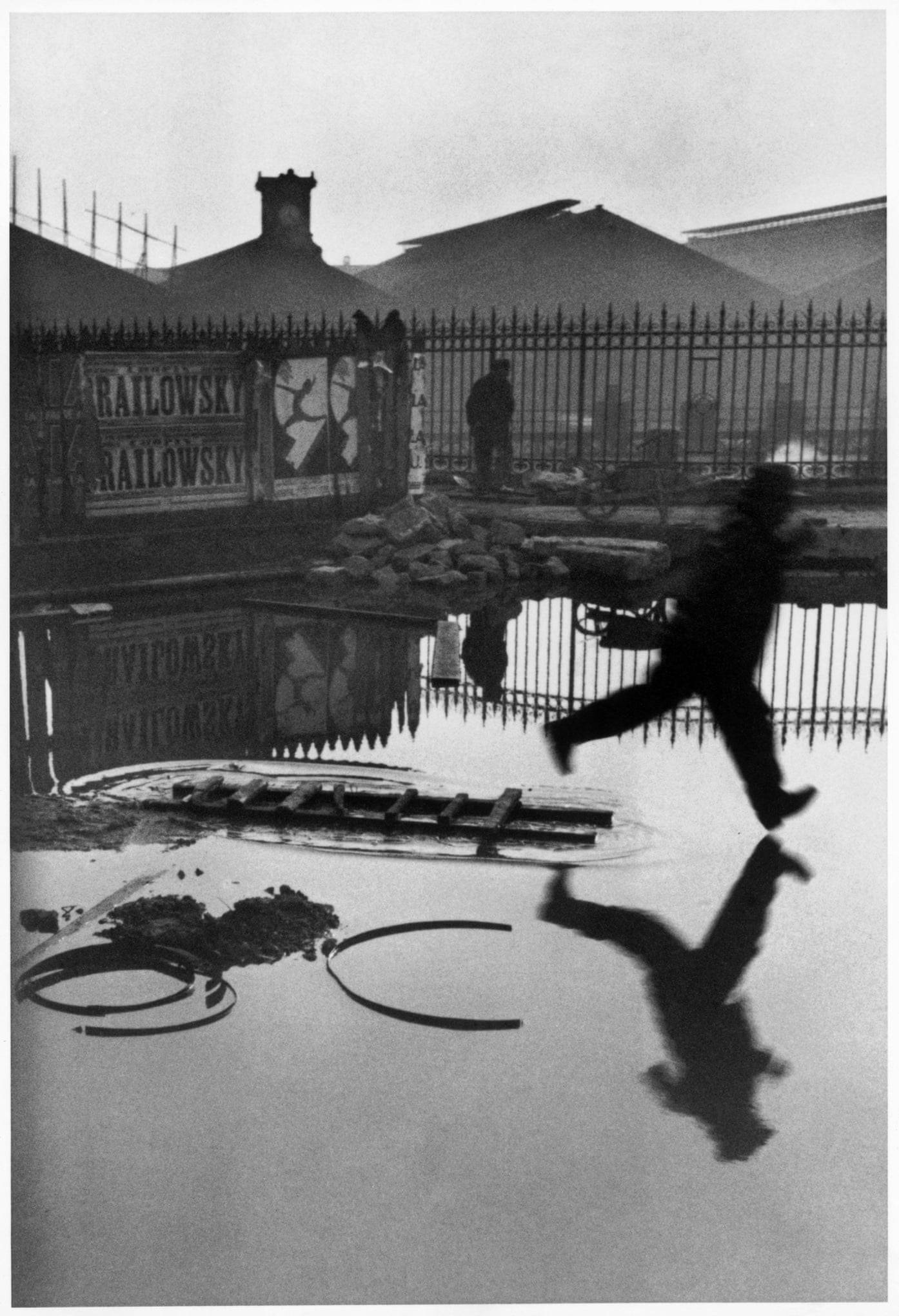
The Present – Paul Graham reviewed by Colin Pantall In Colin Pantall’s review of Graham’s book The Present, Pantall, C. (2012), he highlights how the images presented are the opposite of the decisive moment, so much so that we are left in the position of not knowing what we are looking at. Pantall suggests that …
Category Archives: Coursework
Decisions
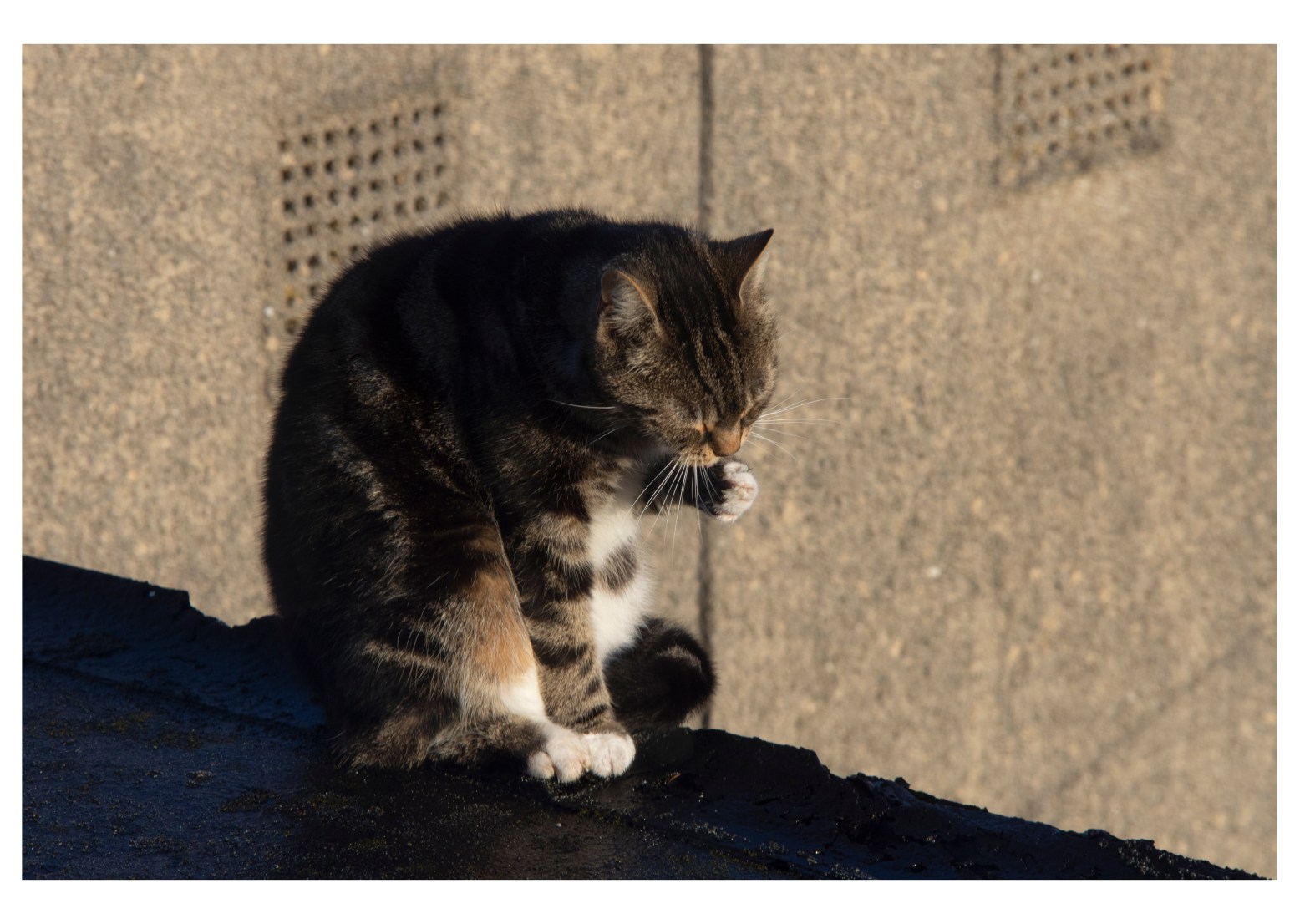
When it was announced that the United Kingdom was going into lockdown and we would all face restrictions as to where we could go and for how long, I was beginning to think about what I would be able to do to capture the Decisive, or indecisive, Moment. I was aware that doing an assignment …
Exercise 3.3 – What matters is to look
The brief for this exercise is to find a good viewpoint where you can see a wide view or panorama. Look at the things closes to you in the foreground. Then pay attention to the details in the middle distance and then the things towards the horizon. Try to see the whole visual field together, …
Project 2 – A durational space
Robert Capa Capa’s ‘D-Day and the Omaha Beach landings’, Magnum (2017) must be one of the most well-known images of the 20th century. Taken during the D-Day landings, Capa had joined American forces during the landings at Omaha Beach. Having made his way to the beach from a landing craft, with soldiers trying to make …
Exercise 3.2 – Trace
The brief for this exercise is, using slow shutter speeds, multiple exposures or another technique inspired by the research done for A Durational Space, to try and record the trace of movement within the frame. For this exercise I used the camera on my phone and an application called Slit Scan Camera developed by Jan …
Exercise 3.1 – Freeze
Brief Using fast shutter speeds, try to isolate a frozen moment of time in a moving subject. Depending on the available light you may have to select a high ISO to avoid visible blur in the photograph. Add a selection of shots, together with the relevant shooting data and a description of process (how you …
Project 1 – The Frozen Moment
Eadweard Muybridge Eadweard Muybridge (born Edward James Muggeridge) was a 19th century English American photographer who was a pioneer in the study of motion using photography. Although originally a landscape and architectural photographer, he is remembered for his study of horses trotting and galloping, the result of being hired by Leland Stanford, a former Californian …
Exercise 2.4: Woodpecker
The brief for this exercise is to find a subject in front of a background with depth. Take a very close viewpoint and zoom in; you’ll need to be aware of the minimum focusing distance of your lens. Focus on the subject and take a single shot. Then, without changing the focal length or framing, …
Exercise 2.2: Viewpoint
The brief for this exercise is to select you longest focal length and compose a portrait shot, fairly tightly within the frame, in front of a background with depth. Take one photograph, then walk towards you subject while zooming out to your shortest focal length. Frame the subject in precisely the same way in the …
Exercise 2.1 – Zoom
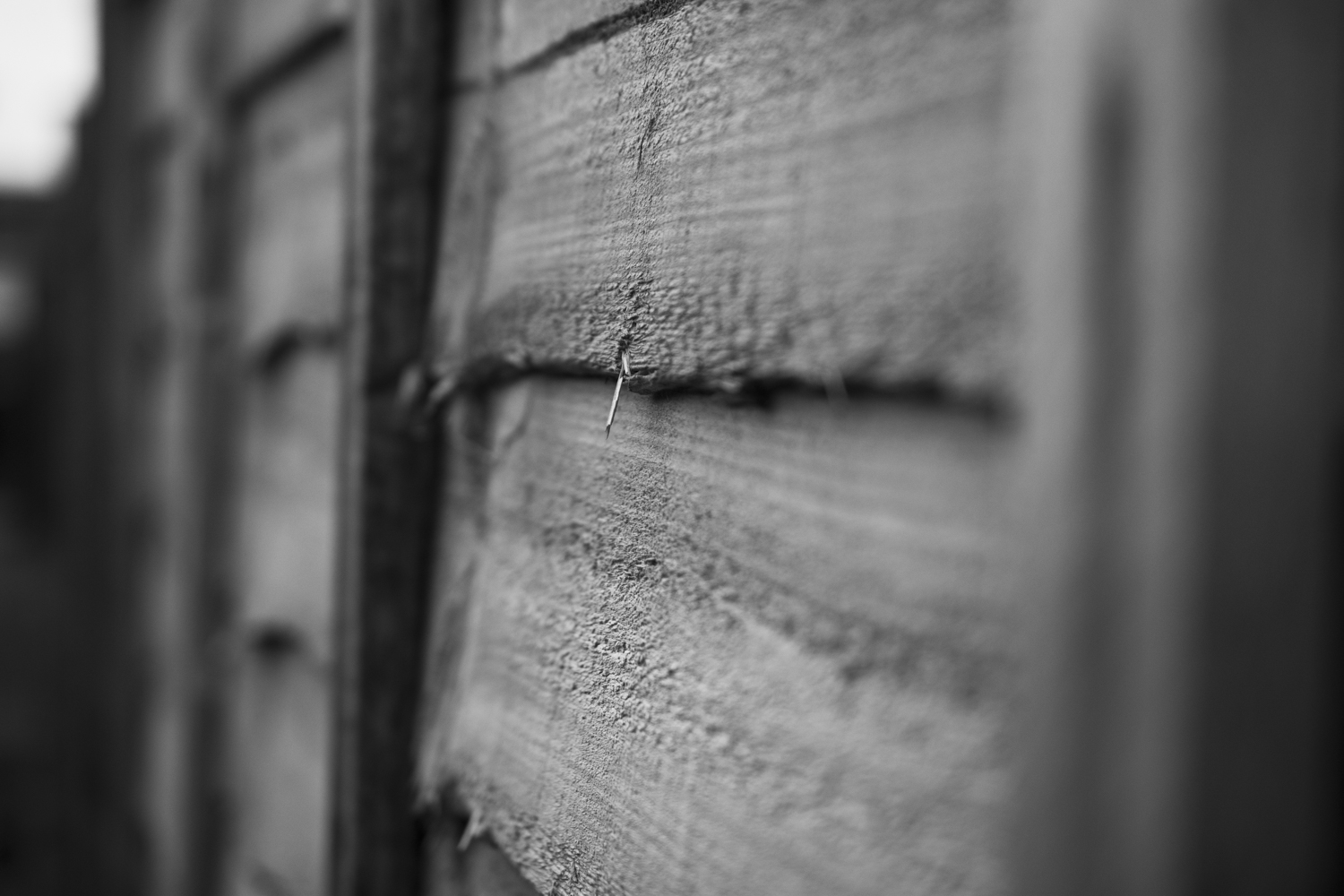
The brief for this exercise was to find a scene with depth and from a fixed position, take a sequence of five or six shots at different focal lengths without changing viewpoint. A number of examples of how zooming in on images has been used in film were provided in the course notes as well …
 Jenna Powell - Expressing Your Vision