
Brief Use you camera as a measuring device. This doesn’t refer to the distance scale on the focus ring. Rather, find a subject that you have an empathy with and take a sequence of shots to ‘explore the distance between you’. Add the sequence to your learning log, indicating which is your ‘select’ – your …
Category Archives: Coursework
Research Point: Photographs and Context
The following is the result of reading the following by Terry Barrett and some of the points raised: – ‘Photographs and Context’: terrybarrettosu.com/wp-content/uploads/2017/08/B_PhotAndCont_97.pdf How a photograph is interpreted can easily be different to what the photographer intended. Especially if the photographer is not involved in how their image is used. When a person gives consent …
Exercise 5.2: Homage
Brief Select an image my any photographer of your choice and take a photograph in response to it. You can respond in any way you like to the whole image or to just a part of it, but you must make explicit in your notes what it is you’re responding to. Is it a stylistic …
Exercise 5.3: Looking at Photography
Brief No photos required. Produce a creative response of about 300 words to Cartier-Bresson’s ‘Behind the Gare Saint-Lazare’. Response Memory is funny. When we consider an event from our past, we remember the things that stood out. Those things that stood out. Those things that were so vivid that they etched themselves in out memory. …
Exercise 4.2 : Artificial Light
Brief Capture ‘the beauty of artifical light’ in a short sequence of shots (‘beauty’ is of course a subjective term). The correct white balance setting will be important; this can get tricky – but interesting – if there are mixed light sources of different colour temperature in the same shot. You can shoot indoors or …
Exercise 4.4 : Personal Voice
Brief Make a Google Images search for ‘landscape’, ‘portrait’, or any ordinary subject such as ‘apple’ or ‘sunset’. Add a screengrab of a representative page to your learning log and note down the similarities you find between the images. Now take a number of your own photographs of the same subject, paying special attention to …
Exercise 4.3: Egg or Stone
Brief Use a combination of quality, contrast, direction and colour to light an object in order to reveal its form. For this exercise, we recommend that you choose a natural or organic object such as an egg or stone rather than a man-made object. Man-made or cultural artefacts can be fascinating to light but they’re …
The languages of light
Before starting part 4 of Express Your Vision I thought I’d give some thought to how I might approach the coursework, especially because we are still under lockdown because of COVID-19. With that in mind I drew up an initial flowchart to give me some idea of the direction I planned to take. Different Types …
Exercise 4.1: Daylight
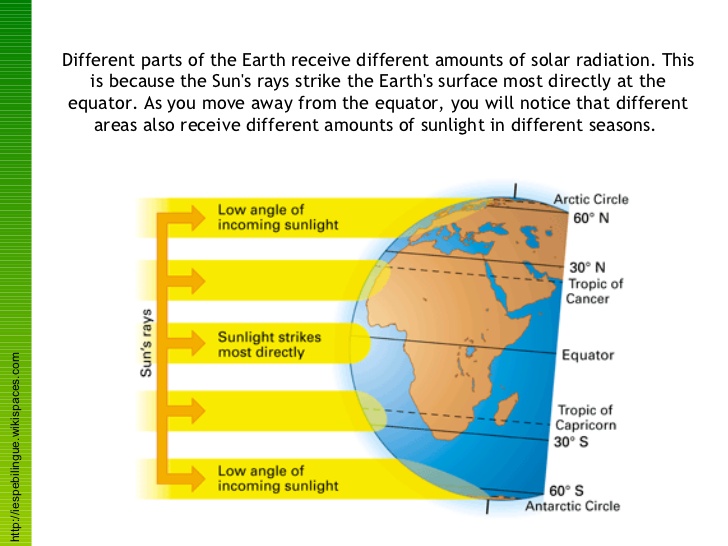
Brief Taking the photography of Mann, Atget or Schmidt or a photographer of your own choosing as your starting point, shoot a number of photographs exploring the quality of natural light. The exercise should be done in manual mode and the important thing is to observe the light, not just photograph it. In your learning …
The (in)decisive moment
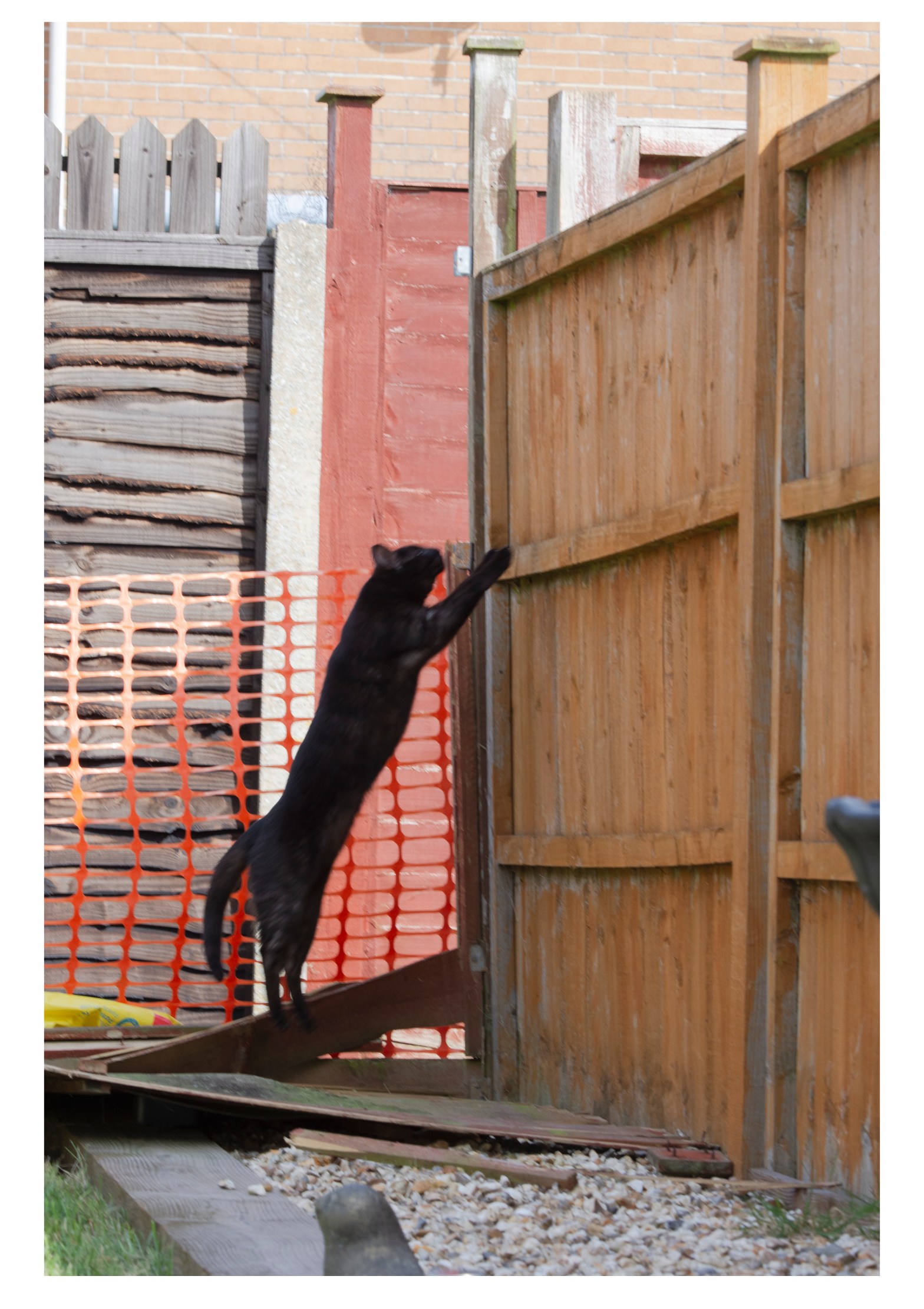
Assignment Brief Create a set of between six and ten finished images on the theme of the decisive moment. You may choose to create imagery that supports the tradition of the ‘decisive moment’ or you may choose to question or invert the concept by presenting a series of ‘indecisive’ moments. Your aim isn’t to tell …
 Jenna Powell - Expressing Your Vision