The brief for this exercise was to find a location with a good light for a portrait shot. Place your subject some distance in front of a simple background and select a wide aperture together with a moderately long focal length. Take a viewpoint about one and a half metres from your subject, allowing you to compose a headshot comfortably within the frame. Focus on the eyes and take the shot.
Exercise
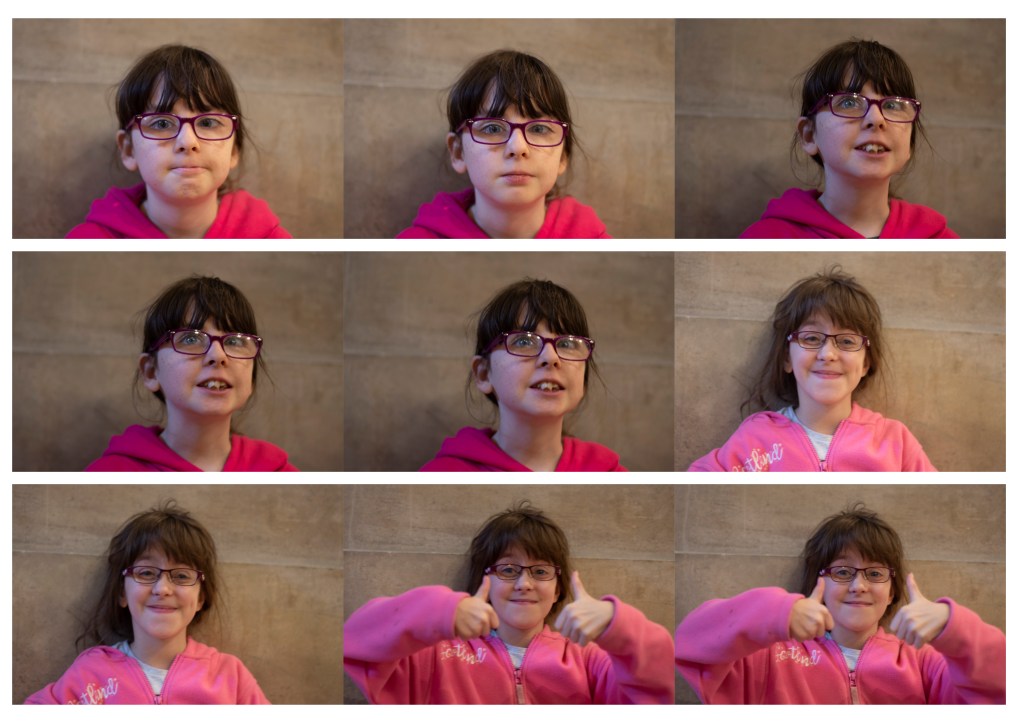
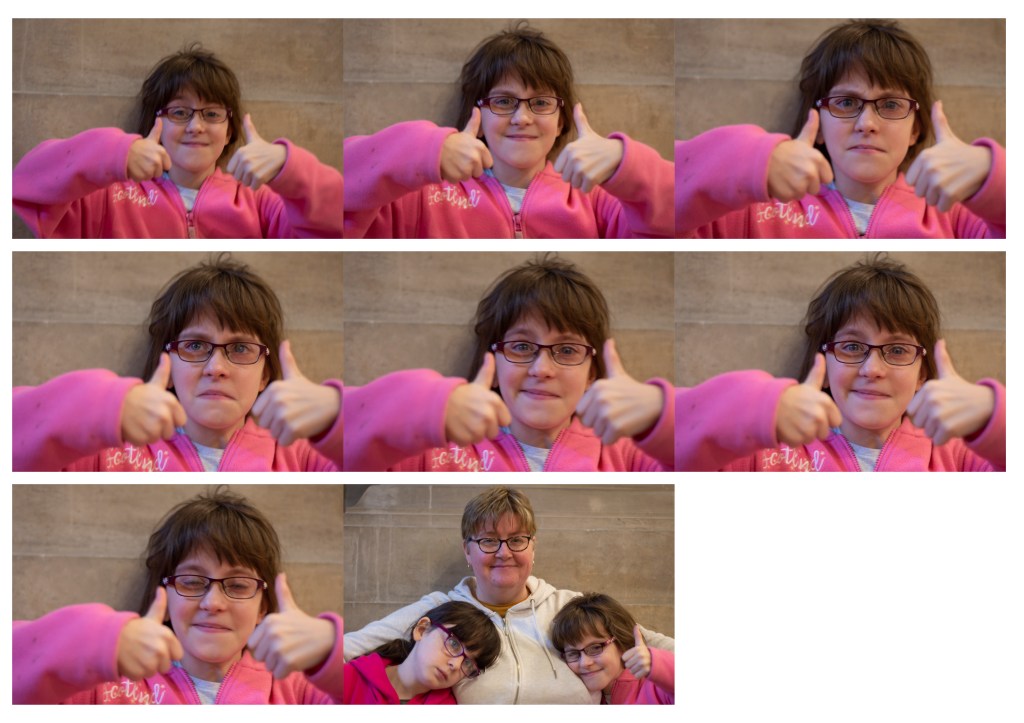
The images below of my nieces and sister were taken at the end of a day wandering around the National Museum of Cardiff.
There were several images I could have used, the contact sheets for this exercise are included below.
The reason I chose the first two images are because they reflect different aspects of my neice, the thoughtful, pensive side and the upbeat, fun-loving side.
The image below I chose because it reflects the young girl who, despite everything, has moments where she shows a real enjoyment in life.
The final image, I chose simply because it has all three of them in it and there is a range of emotions, enjoyment, positivity, thoughtfulness, as well as a hint of tiredness.
I also feel that with each of the above images you can see the depth of field which is quite shallow.
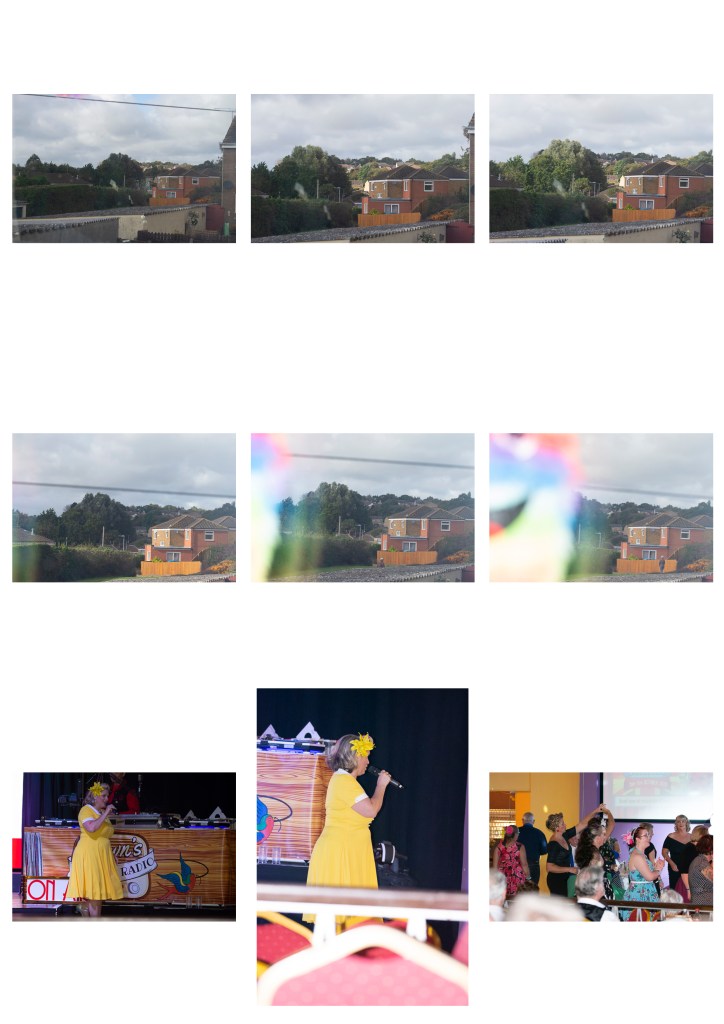
The brief for this exercise was to make use of the grid display on the camera. A nuber of shots were to be taken, each composed within a single section of the viewfinder grid. The rest of the frame does not need to be composed.
Any combination of grid section, subject and viewpoint can be used.
When reviewing the shots evaluate the whole frame and not just the part that has been composed.
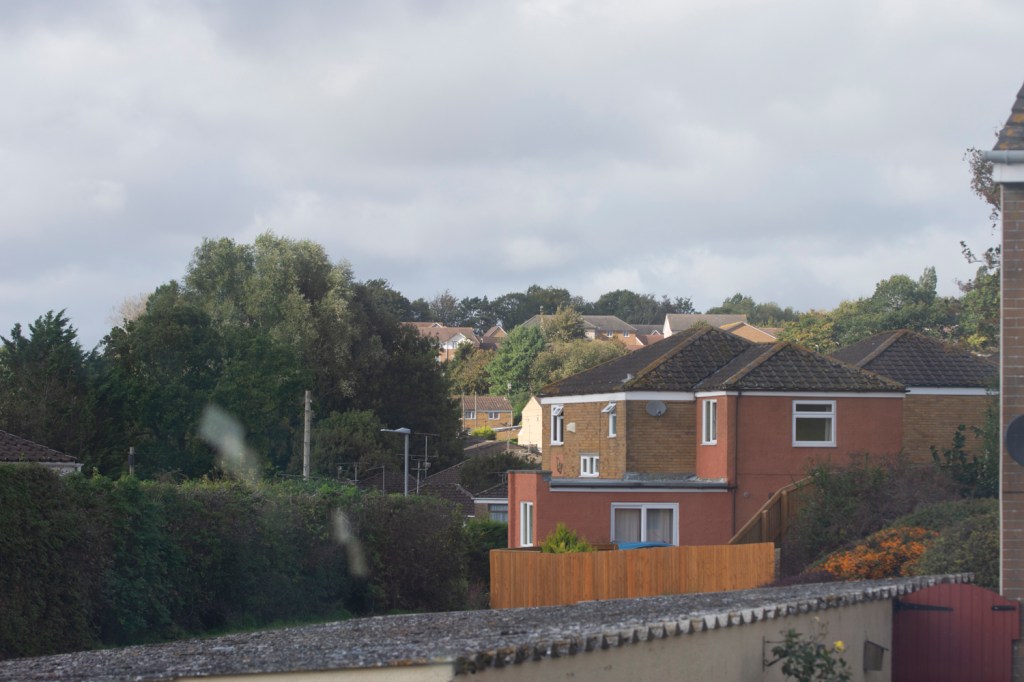
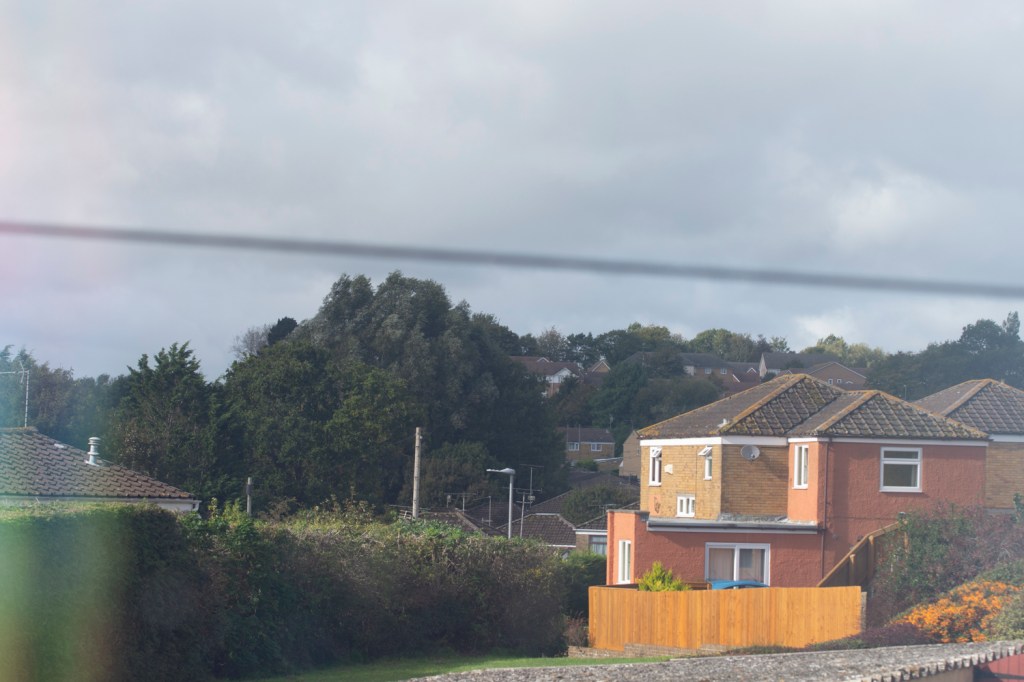
The first three shots below were taken from the window of the rear bedroom at home. I was focussing on the house that can be seen. By composing each shot around the house and focussing on this particular area of the viewfinder I missed different things in each image.
In the shot about I was quite happy with the rest of the shot when I examined it as a whole. The hedge and roof of the garages lead the eye towards the house. The disappointment for me with the image is that because I wasn’t paying attention to the whole short I missed some smudges on the window pange which become apparent in the final shot.
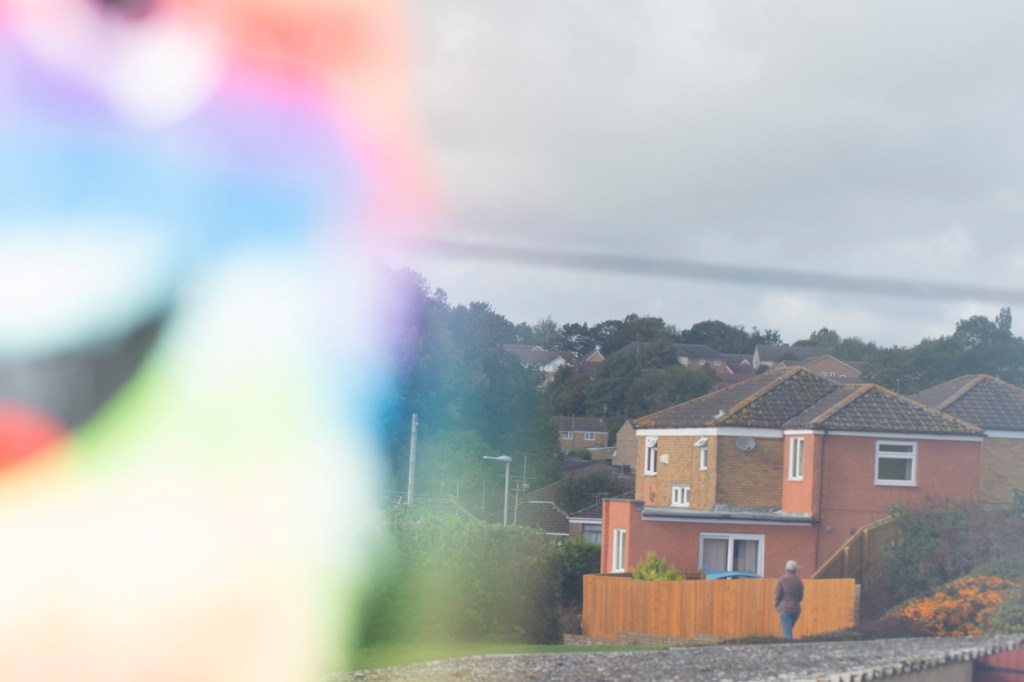
Again I was happy with how the house came out. The image is a bit overexposed I feel and go do with being a bit darker. When exploring the rest of the shot, the overhead cable becomes apparent. This could have worked nicely within the composition as a way to lead the eye through the image if it had been leading from or to something and not just moving from one side of the image to the other, in this case it leads the eye out of the picture and is a distraction. The slight blurring at the bottom left of the image is also a distraction because it wasn’t noticed. Cropping the image would remove this but it becomes a lot more difficult to remove, and harder to ignore in the shot below.
The whole left hand side of the image has been obliterated by a figure that was dangling in the window and went unnoticed when I was composing the shot around the house.
From the above three images it becomes obvious that even if you perfectly compose a shot around part of a scene, if you don’t pay attention to the rest of what is before you then a shot can easily be ruined and if you only have a limited amount of time to get capture a shot you may end up missing out.
Dawn Gracie
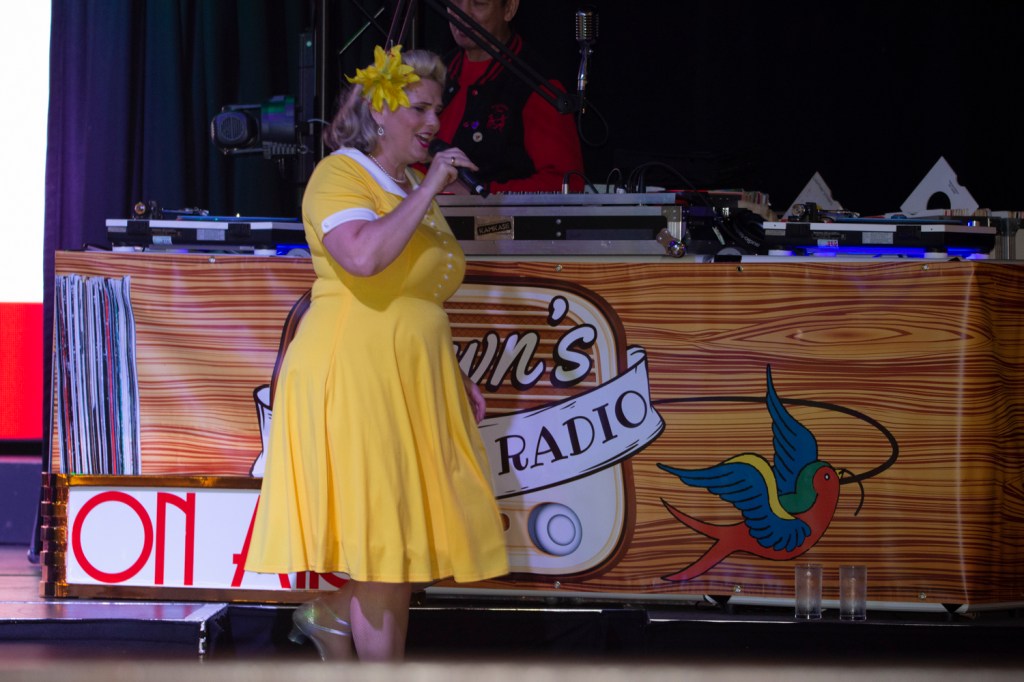
In the image above I was composing the shot around the singer. Looking at the shot as a whole I think it is fairly well balanced throughout, although I do feel that it needs to be cropped slighly on the left hand side and some cloning done at the top left in order to remove a section of white that would still remain even after cropping.
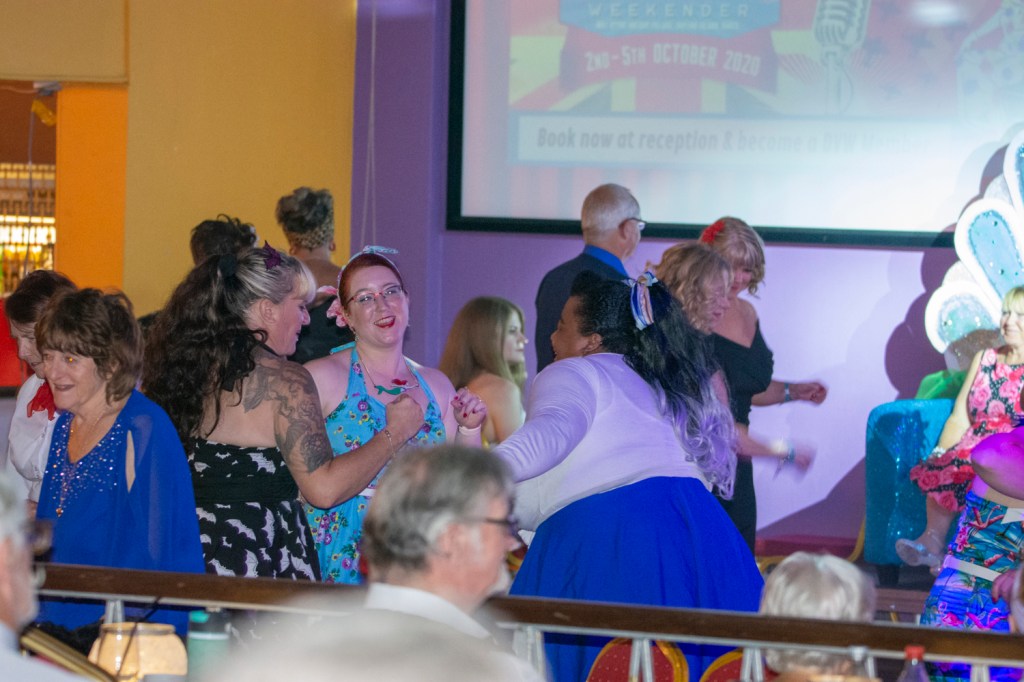
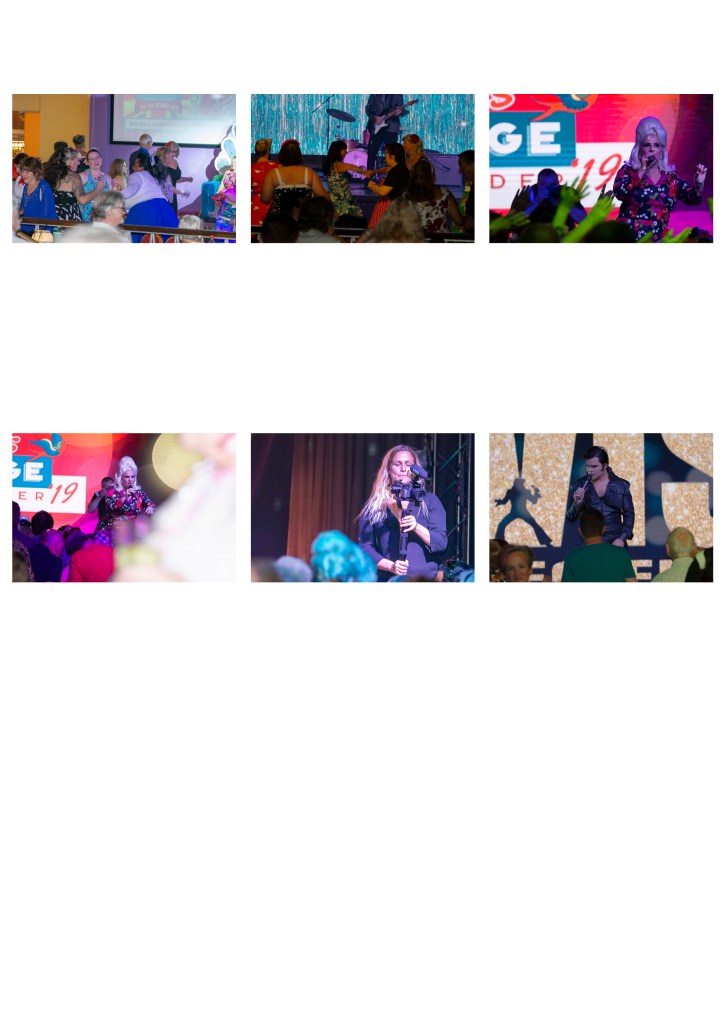
Above I was composing the shot around two friends who were dancing. Reviewing the rest of the shot I would want to crop the right hand side to remove the chair and people. I would also want to crop the bottom of the image to remove out the blurred out people but that would then leave the figure of the man in the middle, looking as if his head had been cut off.
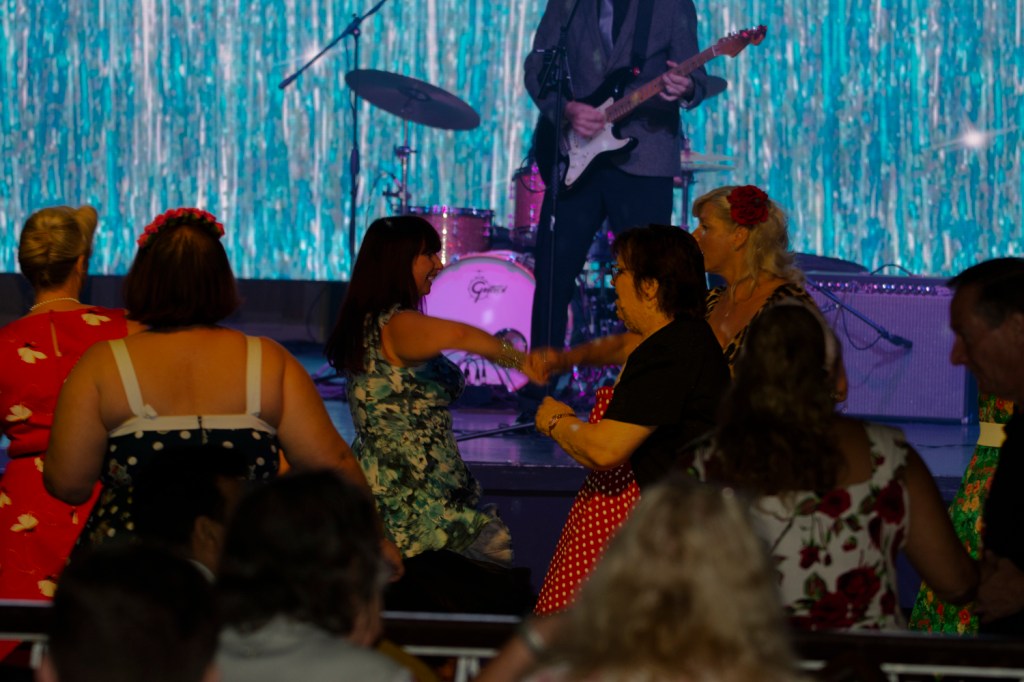
Above I was focussed on my partner in the middle of the image in the red, spotted dress. Although I’m quite happy with the image’s composition in the centre of the shot it is the figure of the guitarist that spoils it as a whole because I’d cut off his head. If I’d been composing the shot as a whole then I would have zoomed out more in order to get more into the shot, including the guitarists head.
In the shot above I was aiming to compose the image around the singer. Once again focussing on a specific part of the view left me missing things that left the image being a disappointment.
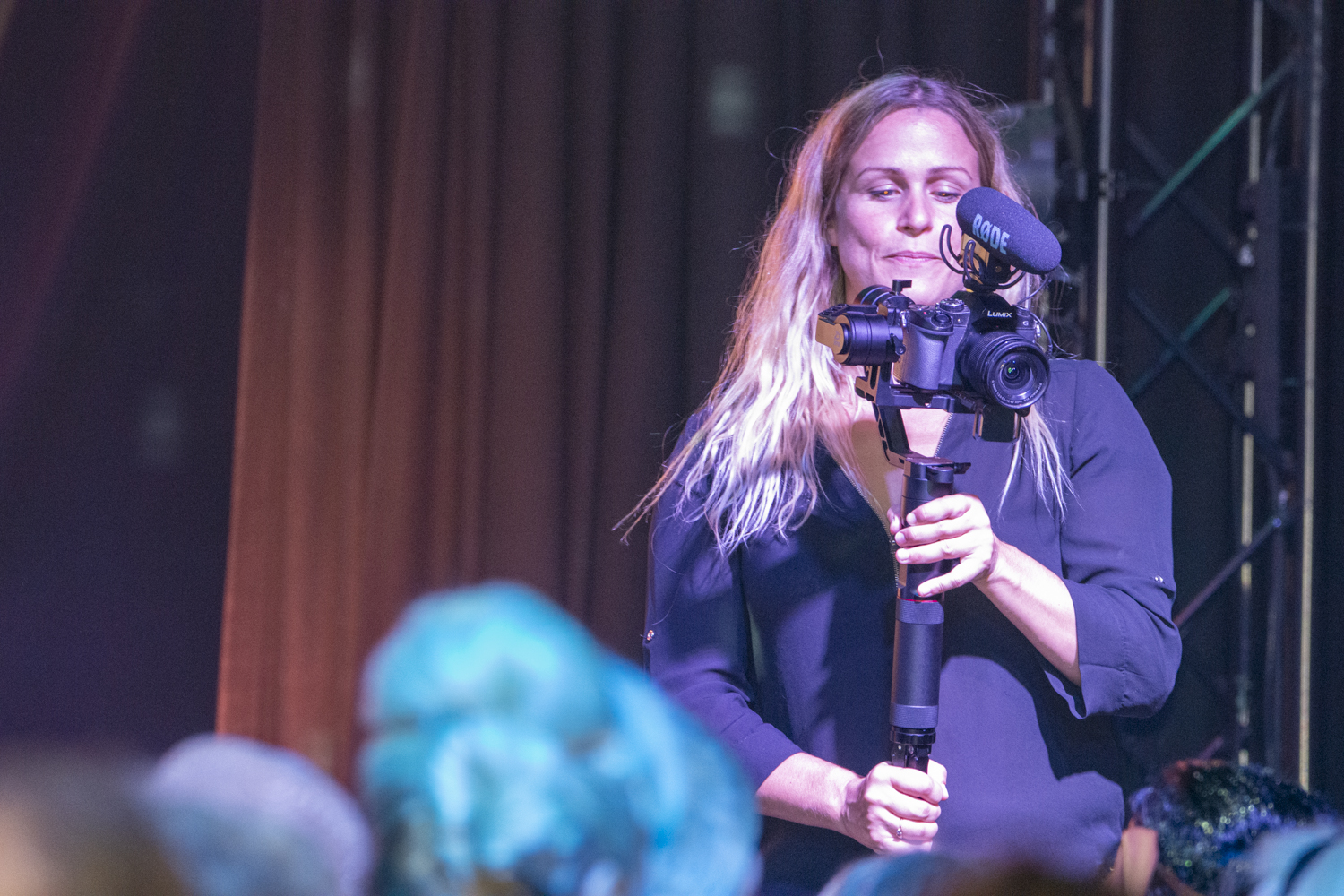
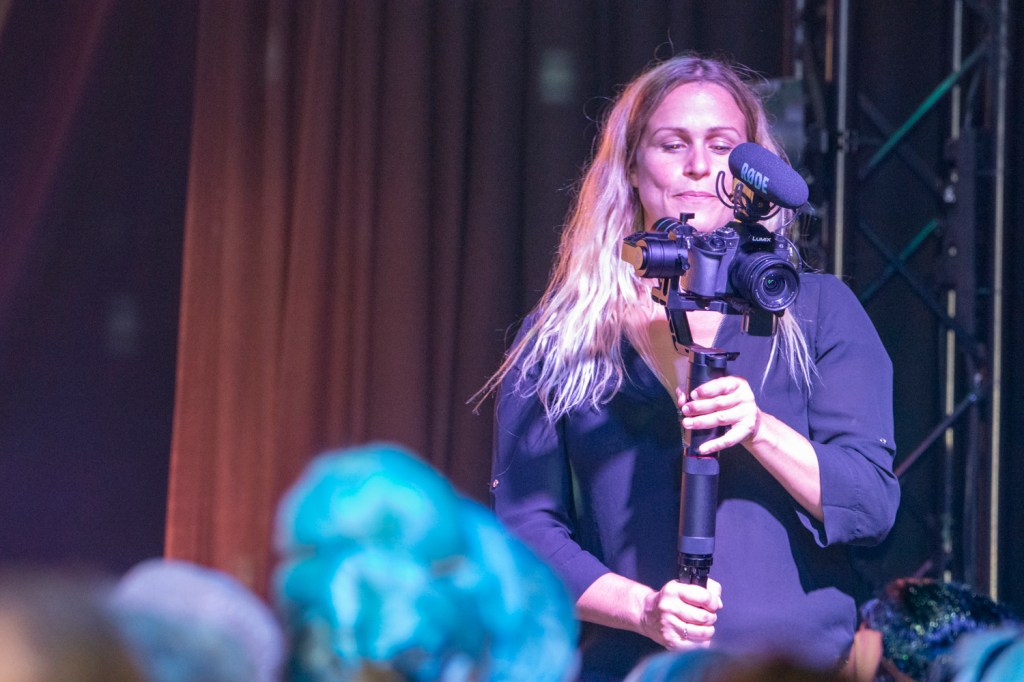
Videographer
The shot above was composed around the videographer. There are bits that I would change with the image, I would crop it to remove the area to the left of the curtain edge. The blurriness of the people at the bottom of the image adds to the focus on the videographer allowing the viewer to see more of the details concerning her, without distractions. Her smile, indicating she’s enjoying what she is doing and even small pinpoints of light glinting in her eyes.
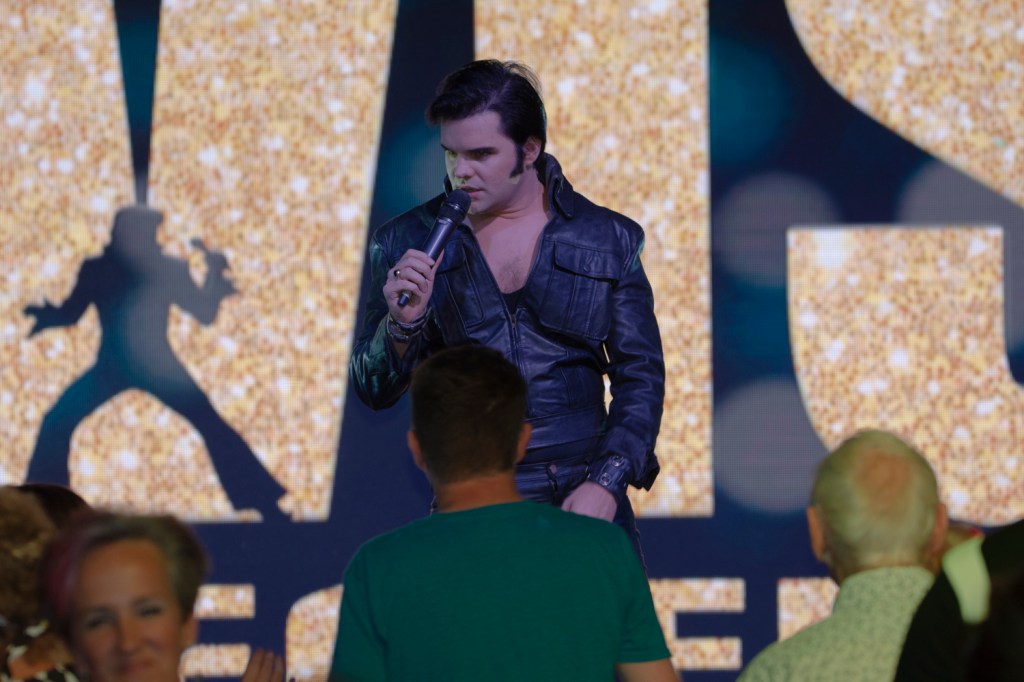
JD King’s Elvis
With the image about I was aiming to compose the shot around the Elvis impersonator. When I looked at the rest of the image the Elvis figure on the screen at the back added to the composition. Almost as if the real Elvis was joining in with the show.
Purple Haze
The image above was taken using a Lensbaby Sweet 35 optic. I composed the shot so that my friend’s face was in focus and allowed the Lensbaby to work it’s magic with the rest of the image. It’s one of the images I’m most happy with of those I’ve taken recently.
The above links are referenced in the course manual in Part 1 Project 3 Surface and Depth.
The review by Colberg leaves you with the impression that he appreciates the work that has gone into producing jpegs but they are a little disappointed in it.
Colberg starts their review by admitting that Ruff is “possibly one of the most creative and inventive photographers around today”, but that “there are people that do not seen his recent work as actual photography.” Colberg does not explore this last idea, because it does not have a place in a review of a particular book.
jpegs was Ruff’s latest body of work in 2009 as can be seen by the date of the review (April 2009).
The book format for jpegs is, in the reviewer’s opinion, a better format that the larger ones used when exhibiting the work in a gallery. This highlights how careful we must be when considering how best to present our work. Going large may not always be the best idea.
Colberg feels that Jpegs relies too much on the technique used to produce the images while suggesting that there is more to them. This suggestion isn’t delivered on. The nature of the body of work does rely heavily on technique and this is not surprising.
Bird of Prey – 270 x 180 pixels, ‘zero quality’ compression
Campany’s review is much more detailed and has a different feel to it, a more intense sensation, scholary approach to it.
Ruff’s work provokes different responses in people both as individually but also in a much larger, global, collective way. For instance, Campany sees it as cold, dispassionate but also sometimes beautiful.
Ruff’s uses archival images, not unusual because artists and photographers have been doing this for the last century.
MacCabe’s quote from his biography of Jean-Luc Godard ‘In a world in which we are entertained from cradle to grave whether we like it or not, the ability to rework image and dialogue … may be the key to both psychic and political health’, is as appropriate now, if not even more so because of our ability to seek out entertainment not just in the home or other traditional entertainment venues but also while on the move, whether that be travelling for leisure or while undertaking our daily commute.
With the current political landscape around the world, the ability to rework dialogue is something that we see on an almost daily basis, as politicians say one thing and then try to change how what they said is taken by backtracking and explaining that their words were taken interpreted incorrectly or taken out of context.
Ruff’s jpegs is a series, something that he does with all his work, at least up until the time the review was published. The sources of Ruff’s work cannot be easily identified but it is possible to start to identify the different types of archives that may have been used. In fact, as this body of work is contemplated the number of archives increases when you include individual memory as an archive, one that is filled with memories whether a result of one of our senses or a combination of them.
Digital images, or digitized versions of print images are easy to manipulate. Probably more so than print images. When you can alter an image at its most basic level, it is possible to do anything with it. Sometimes that manipulation is difficult to detect. jpegs does not hide that manipulation, it showcases it.
Pixels are the modern equivalent of grain with analogue film. However, pixels have a more regimented structure, grain has a more natural, fluid, chaotic structure.
At the level that human’s view images and photos, it is possible to see different things, each image depicting something subtly different, but at their most basic level, all images are the same, just blocks of individual colour, reduced to streams of 0’s and 1’s stored on computer hard drives ready to be retrieved, viewed and even manipulated.
I’ve gone well over the suggested 300 word limit for this research point. I did consider precising it down to around the word limit but in the end left it as is because of what the content of both reviews, especially the second, provoked in how I found myself responding to what I’d read. Admittedly, this is more a response to the articles rather than the work they were discussing but I think that exploring where a topic leads you is an important part of research.
This book accompanies the
exhibition of the same name containing work produced by Mandy Barker. Her work
documents the impact that plastics and other items produced by mankind has on
the environment. In particular, the seas and oceans and the creatures that
inhabit them.
The book is extremely informative.
Each section contains an introduction that tells you something about the images
that follow it. How items were obtained and where from; the reasons for certain
sets of images, and more. Each of these is explained either briefly or in more
detail through the essays that accompany the works.
Captions expand on what you are
seeing in each image and have been chosen with care.
The images vary from fascinating,
through sad, to shocking.
Images that have been made using
items found following the Indonesian Tsunami leave you wondering about what
happened to their owners, and sad because these bits may be the last remnants
of a person’s life. Tossed around by the sea and ocean, only to end up somewhere
many miles from where they were once used by a living human being.
Shocking images include those like
the one made from the plastic contents of an albatross chick’s stomach.
Some of the works are a
collaboration. For instance, the piece that uses footballs that were found
around the world. Barker put out a request for people to send her footballs
that had been found washed up on beaches or found floating in the sea or ocean.
Barker has researched her subject
well, including talking to experts on marine pollution as well as taking part
in expeditions, to measure the effects of plastic pollution on the marine
environment, herself.
I was disappointed not to make it
to the exhibition when it was on show in Bristol. Nothing can make up for
seeing the artwork displayed as the artist or curator decided it should be
shown. The book, however, does allow you to see the artwork, even if not full
size and the way it was at the exhibition.
The essays that sit alongside the
artwork are interesting and shed light on how Altered Ocean came about.
Although nothing can compare to
seeing artwork in the flesh, having these images in book form allow me the
chance to look at them whenever I want and to draw inspiration from them when
it comes to my own work that is based around waste and the impact mankind is
having on the environment.
Relating to my own practice
The most useful part of the book
for me was the Sketchbook Extracts. As a photographer studying both on the
Foundation in Photography course and now on the degree course using a
sketchbook has seemed an alien concept.
For me sketchbooks are something that artists use to draw or paint
things that then develop into the final artwork.
The sketchbook that I carry around
with me daily is filled with mind maps, printouts of maps and the odd sketch to
help me visualise ideas around sequences of photographs. For instance, the 3
images for my Square Mile assignment of the tunnel (both ends, and the middle
seen where the concrete outside appears above ground) was scribbled in my
sketchbook, along with ideas for two further images I want to do, taken from
inside the tunnel looking out.
The majority of what it contains is
just writing, words.
I do have a single photo in this
sketchbook. It’s off some leaves I found, hanging on a tree, while taking the
photos for Square Mile. I would have loved to use the image, but it just didn’t
fit. I’m just going to have to keep it until some time I find a way to use it.
Why is it so special? Well, the
leaves are blue. The leaves around them are green but these two leaves are
blue. The trunk of the tree had what looked like blue paint or dye splashed on
it so the leaves must have somehow got covered in it too but hanging there
among all that greenery they just stood out, capturing the attention and
leaving you wondering how they got that colour.
The extracts from Barker’s
sketchbooks resonated with me when I saw them. For me they are an example of
how to do them well, something that I aspire to.
Since then I’ve seen how other
photographers use sketchbooks in their work and I’m starting to get an idea of
how to use them as a photographer.
Buying a copy of Altered Ocean, a
copy that I can revisit any time I want, was a good decision. That the book
will I’m sure inspire me to look at my own work in different ways is the icing
on the cake.
Title: The Photograph Author: Graham Clarke Published: 1997 By: New York (Oxford University Press) Edition: 1st
Review
This book is an introduction to art history, with an
emphasis on photography. It consists of a series of essays covering different
aspects of photography, including its history. Each of the topics puts its
subject matter into its historical context, including examples of photographs
by many well-known names, and maybe for the student of photography or someone
new to the subject, lesser famous photographers.
The book covers, in no order, areas such as the nineteenth
century photograph, landscapes, portrait photography, city photography, Fine
Art, the body, manipulated photographs and finally documentary photography.
Within each topic the major and important themes are
discussed.
I found the book very accessible. There were plenty of
examples which were illustrated and then expertly analysed and discussed in the
body of the text. Each chapter being broken down to cover a single topic I
found it a very easy book to read, work through a chapter and then stop. This
worked well for me.
Some of the material, especially about the history of
photography has been done in numerous other places.
The section that I found of most interest was around
documentary photography. Portrait photography I struggled with. I’m not good at
directing people to do things. I can take photographs of people, but it tends
to end up with me allowing them to do their own thing, within the limits of
what I’m trying to achieve, and then capturing them while they are doing it.
Documentary photography still means having to deal with
people but, to me, doesn’t involve as much direction. It’s more like being
along for the ride and capturing moments as the opportunity presents itself.
Relating to my own practice
Thinking about the work I’ve produced to date for the
Foundation in Photography and Degree courses, it’s been the work around
photographing events (ploughing competition), responding to themes (waste) or
the series of images for Square Mile where I’ve been exploring what lies
beneath some of the local area. All of which could be forms of documentary
photography.
Having read through the book all the way I feel that it is
one that I would dip into for specific information, viewpoints or topics and
not one that I would pick up in order to read from cover to cover again.
For this exercise the brief was to take a number of shots using lines to create a sense of depth. The set of images below are where I’ve attempted to do this.
Part 1
Take a number of shots using lines to create a sense of depth.
Wood and stream
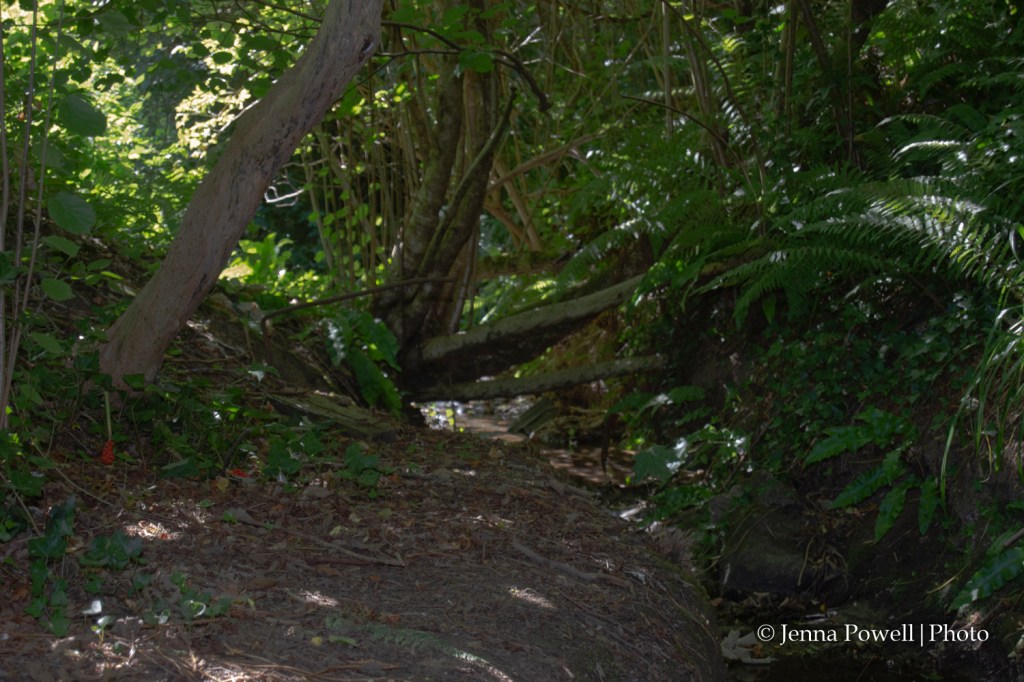
In “Wood and stream“, the path of the stream leads the eye to the centre of the picture where the trees and branches allow the eye to move around the image, including leaving it. The stream also provides a sense of depth to the image by leading from the edge of the photo into the middle.
Once the eye reaches the centre of the image, the branches and trees provide it with a way to move around the image in multiple ways, some staying within the image, others leading out of the frame.
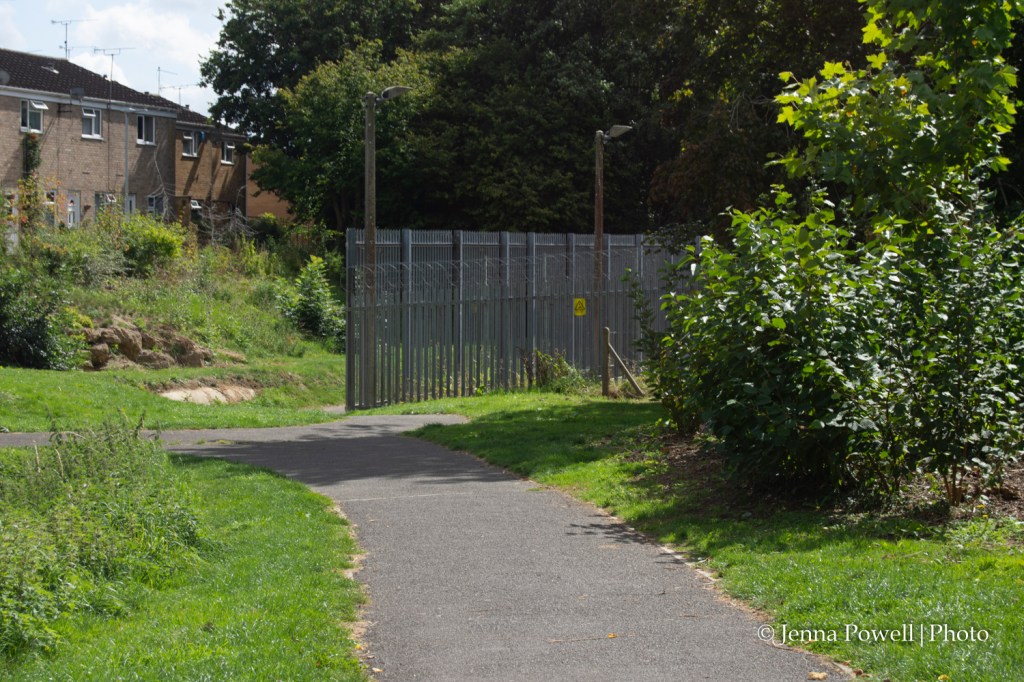
Path to power supply station
In “Path to power supply station“, the eye is led through the image by the footpath. It can then leave at the middle left of the image or can move perpendicular along the bars of the fence. The narrowing of the path as it moves through the image provides a sense of depth because of the changing perspective.
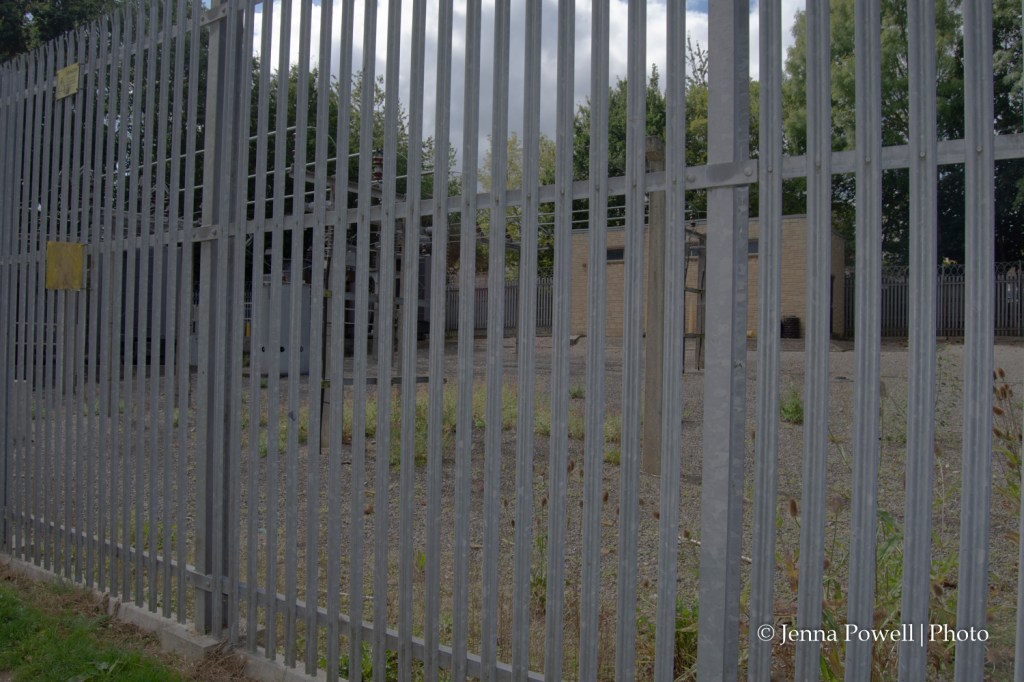
Supply station fence
In “Supply station fence” the bars of the fence being parallel to the viewer don’t aid in a sense of depth but the way that the top of the fence is out of shot on the right hand side but visible on the left gives the sense that it is further away because we know that fences are usually the same height and don’t get smaller as you move along them.
Within this image, the perpendicular metal bars do not affect how it is viewed. The horizontal bars and the way the fence gets smaller towards the left, however, do cause the eye to move out of the frame.
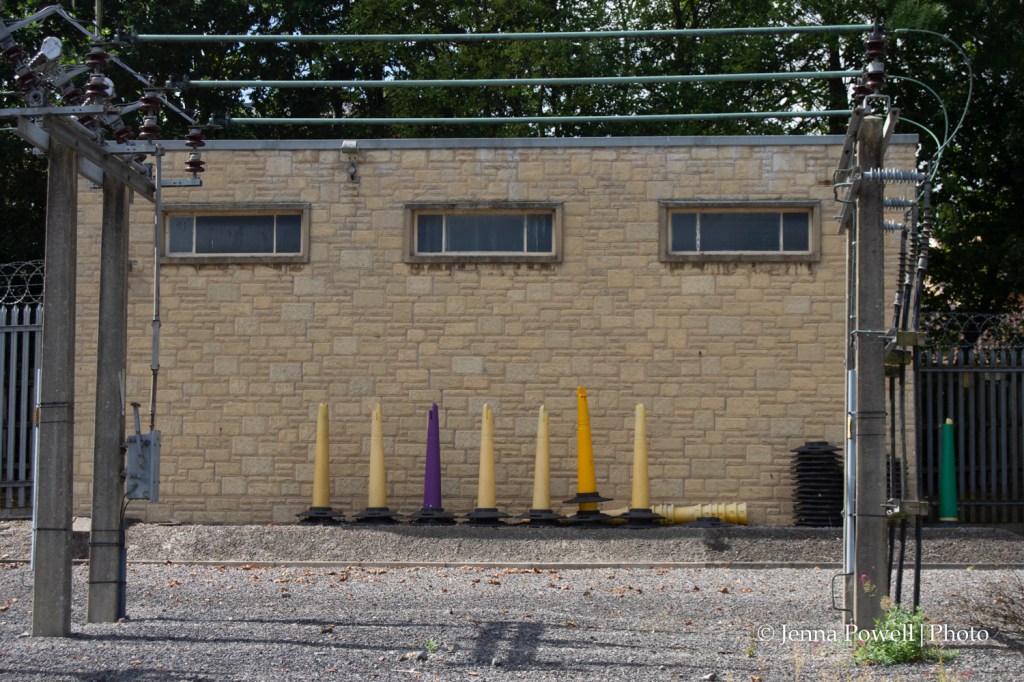
Inside the fence
With “Inside the fence” the majority of the lines are perpendicular to the viewer and so don’t provide a sense of depth. However, there are a number of shadows on the ground which move away from the viewer, towards the building at the back, thus providing an indication that the building is further away.
The purple cone and green bollard add points of interest within what is otherwise a two colour image. The bollard I hadn’t noticed when taking the photo, the purple cone I’d spotted and wanted to include because it stood out.
The horizontal and vertical lines of the pillars, cables and roof of the building keep the eye within the frame by moving the eye in an almost circular motion.
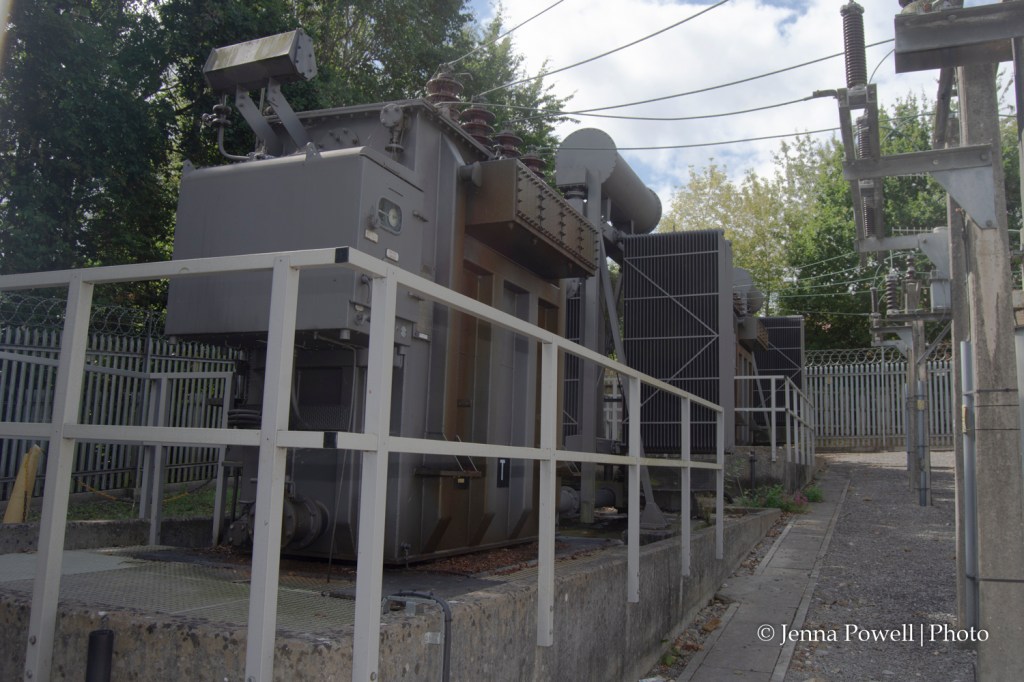
Generator
In “Generator” there are a number of lines, on the railings, the paving, the concrete block and even the generator itself that lead the eye into the picture. The convergence of these lines provide the sense of depth.
The perspective lines formed by the railings, generator and blocks lead the eye out of the picture, depending on how they are viewed. If the eye follows these lines into the image then the fence at the back provides a way for the eye to move to the top of the image where the overhead cables lead it back to the generator and the front of the image.
Part 2
Now take a number of shots using lines to flatten the pictorial space.
Happy Stripper
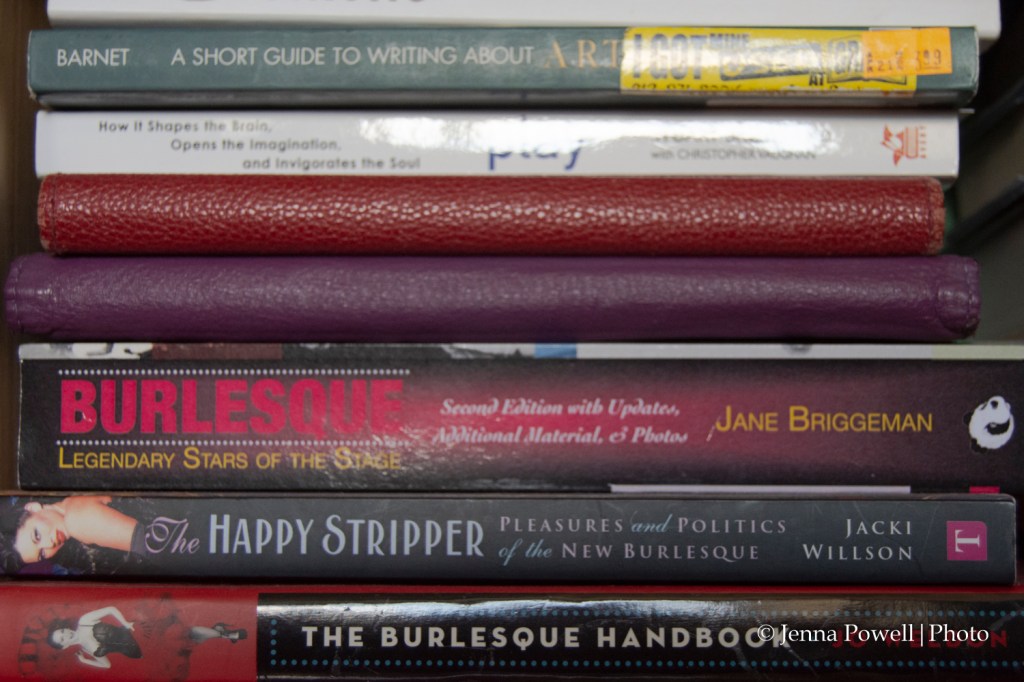
In “Happy Stripper” I’ve achieved the aim of the second part of the exercise by flattening the image. There is no sense of depth when looking at the books. It’s only when the eye moves to the edge of the frame that a sense of depth begins to form. However, even then it doesn’t aid the viewer in gauging depth when it comes to the books.
In reality the books are actually sloping backwards from the bottom of the image to the top.
Wolf Rider
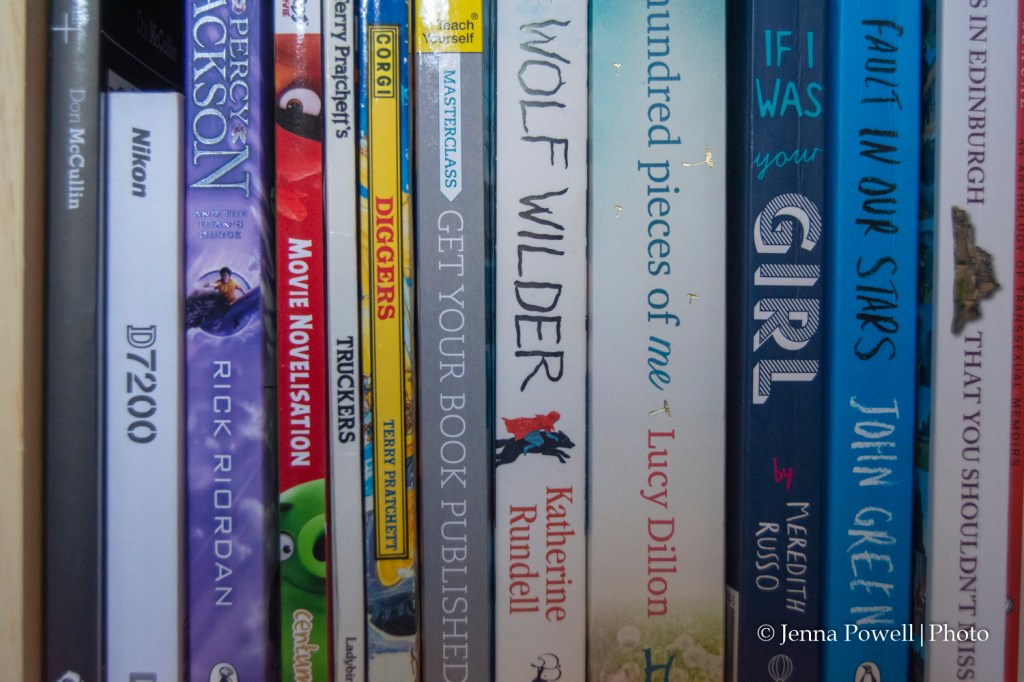
In “Wolf Rider” I’ve managed to flatten the image with the exception of the area above the Nikon manual where it’s possible to get a sense of depth because of being able to see more of the cover of the McCullin book.
Frazzled
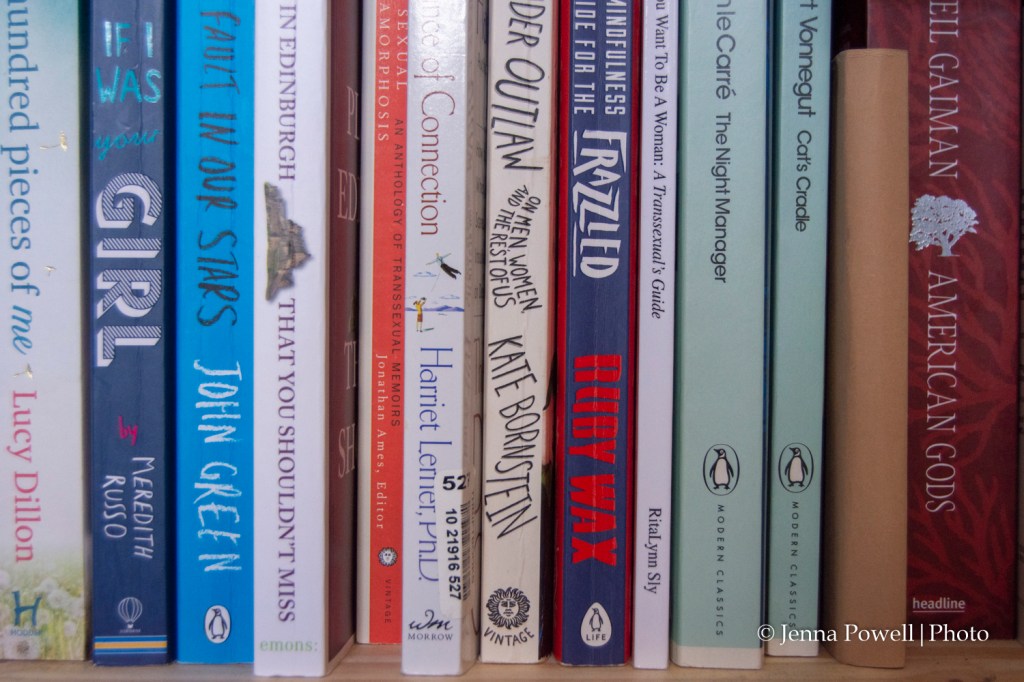
Again, with “Frazzled” I’ve managed to flatten the image, with some small exceptions giving a slight sense of depth.
Kings of Space
With “Kings of Space” there is a definite sense of depth. However, the way the books are positioned gives a sense of a curve. If a line was drawn through each of the books then the lines would meet very close to each other, if extended out of the frame.
Love Spoons
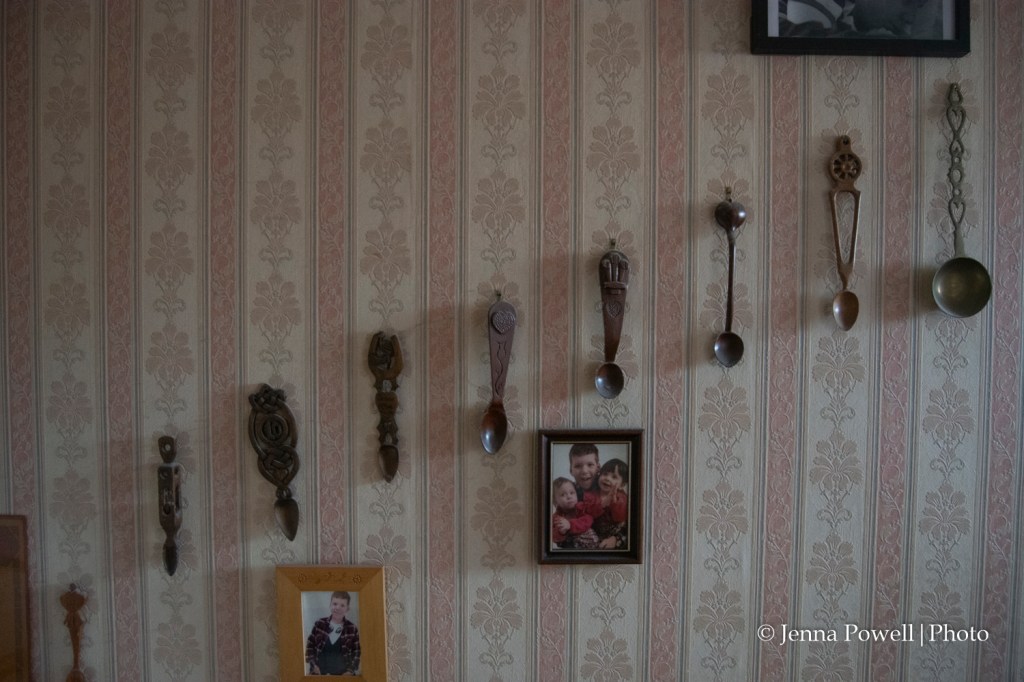
In “Love Spoons” the perpendicular lines in the wallpaper don’t distract from the rest of the image. However, the diagonal lines that flow through the row of love spoons and also through the two pictures at the bottom of the image lead the eye out of the image, particularly the former.
The line through the two photos does lead the eye towards the metal love spoon at the right hand side of the image, which does provide a way for the eye to move back into the image.
Equivalents
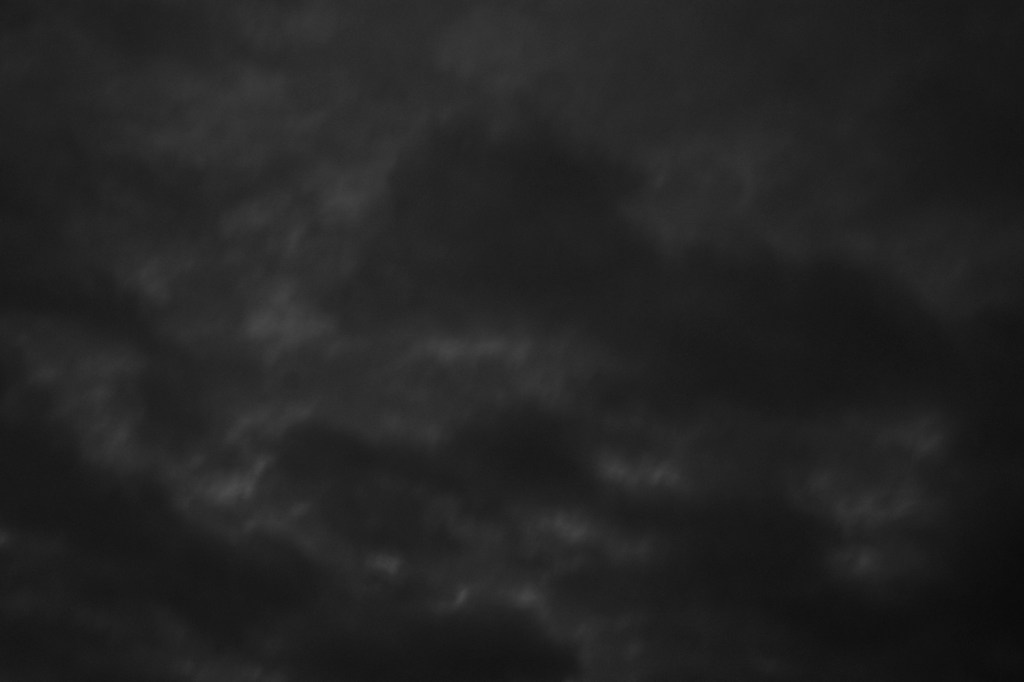
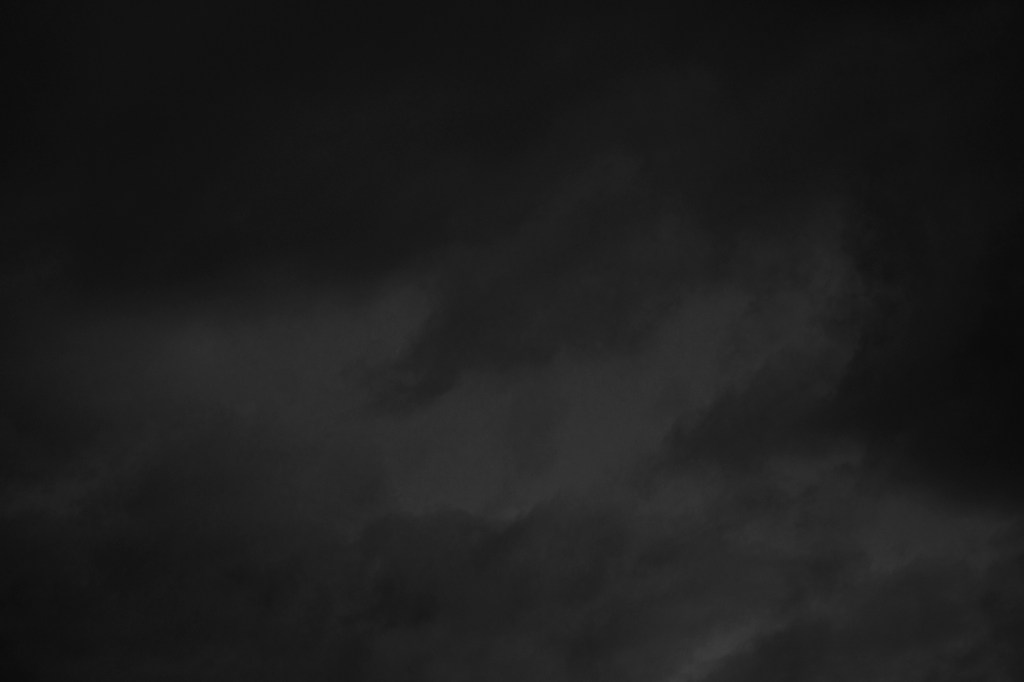
The images below are part of an ongoing project I started during the Foundations in Photography course called Clouds. Unlike Alfred Steiglitz’s Equivalents , the majority of my own images for this project do have a sense of composition. The two images below, which have been converted to black and white, are the closest I have to Steiglitz’s images where the only way out of the frame is at the edges.
The brief for this assignment was to make a series of six to twelve photographs in response to the concept of “Square Mile”.
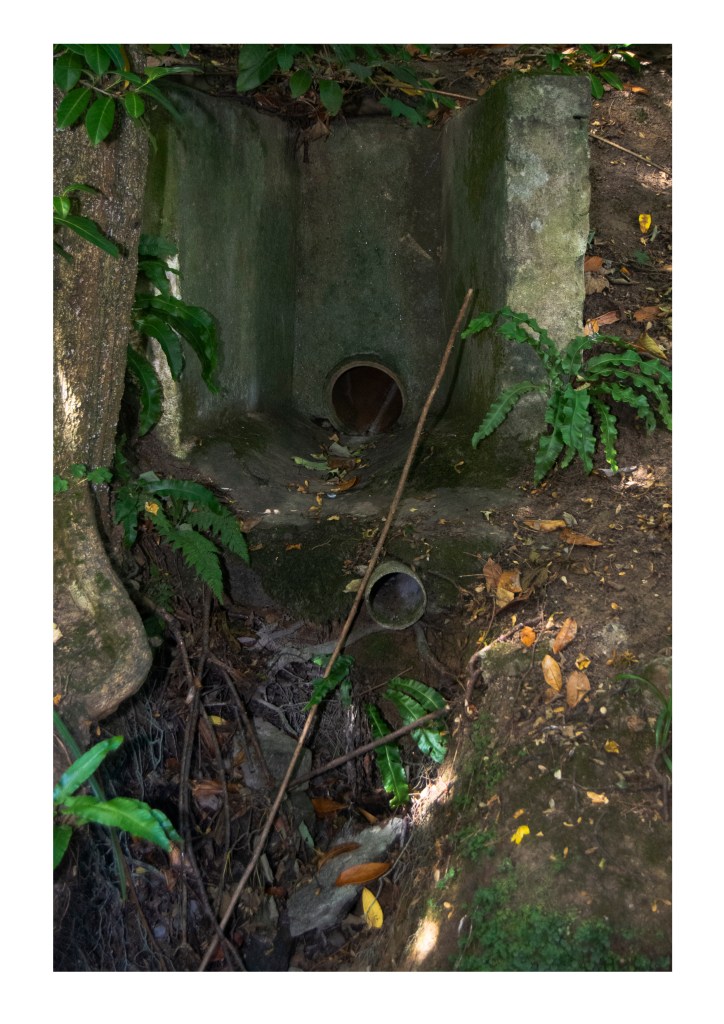
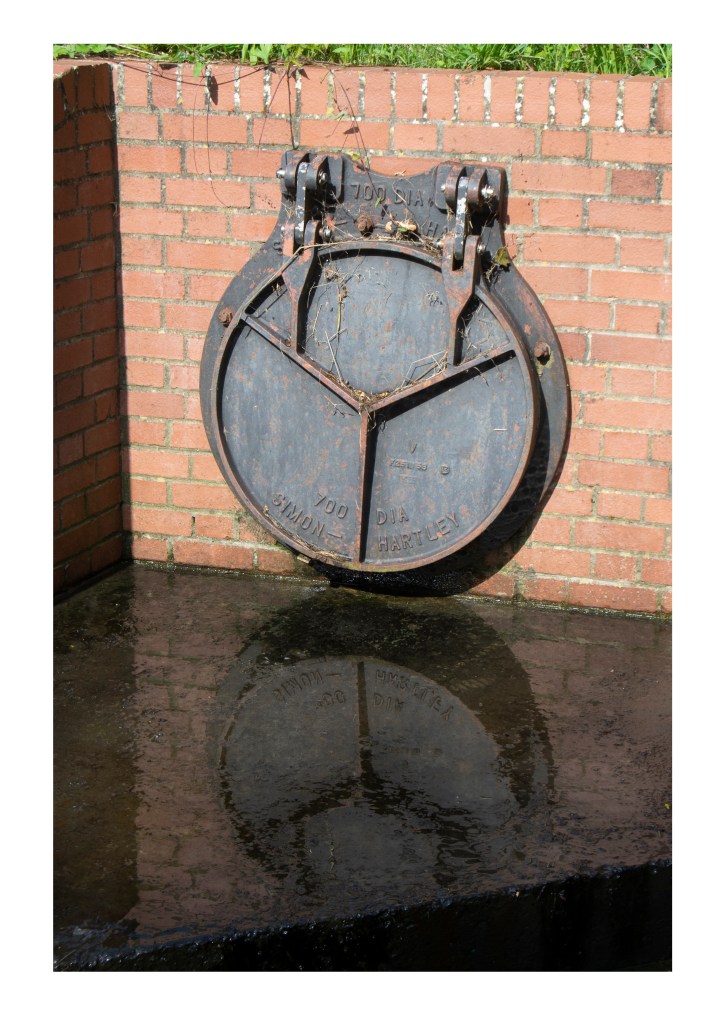
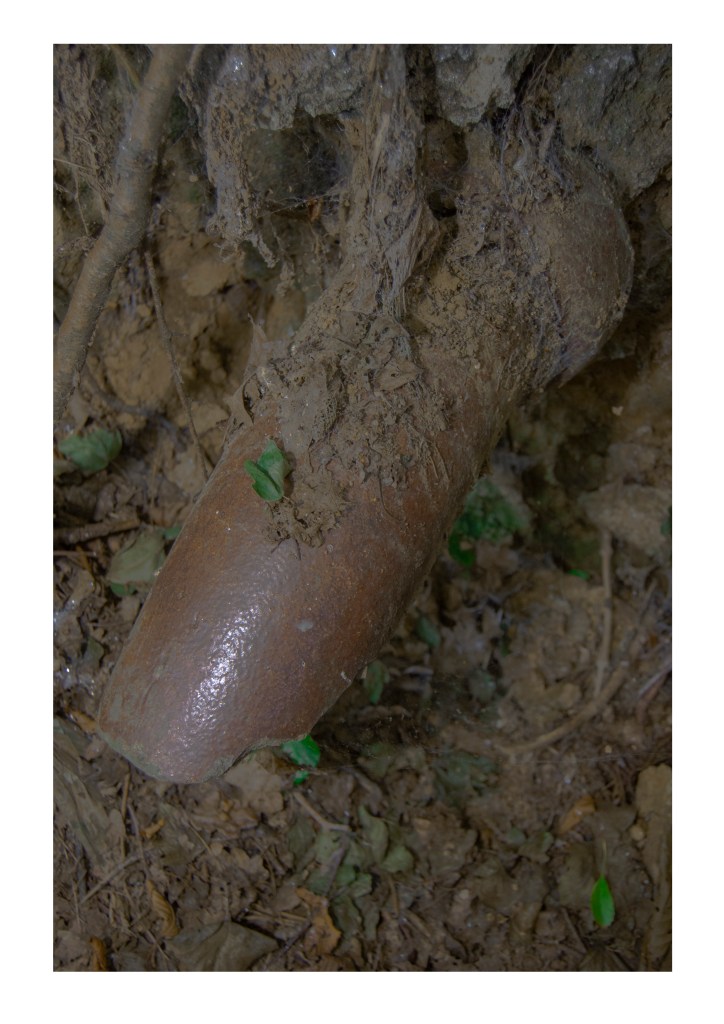
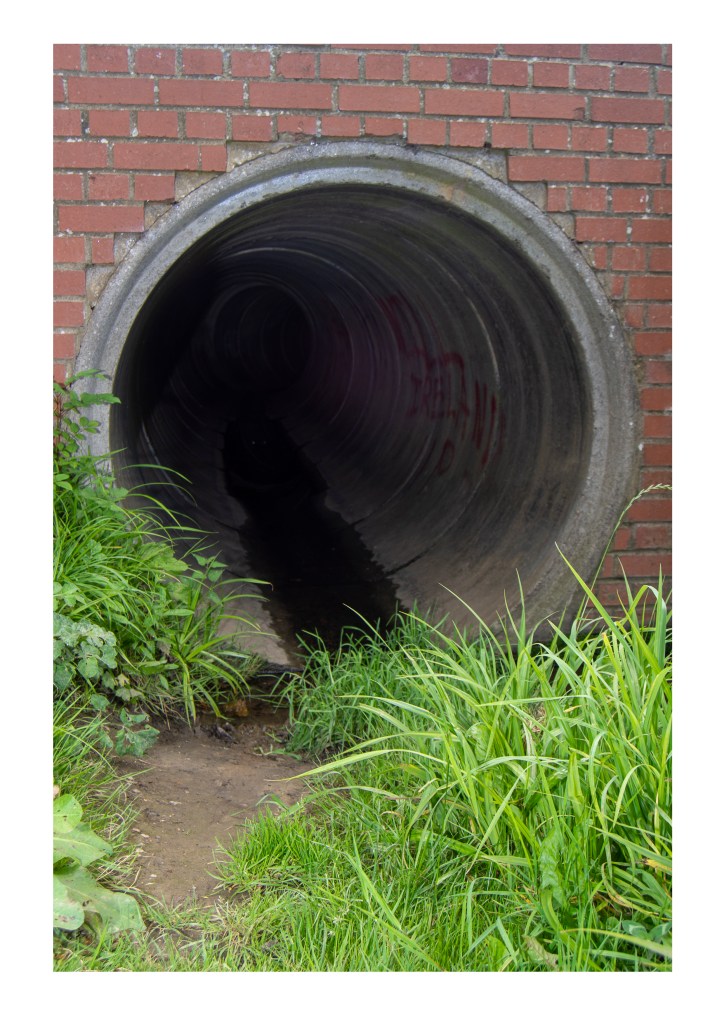
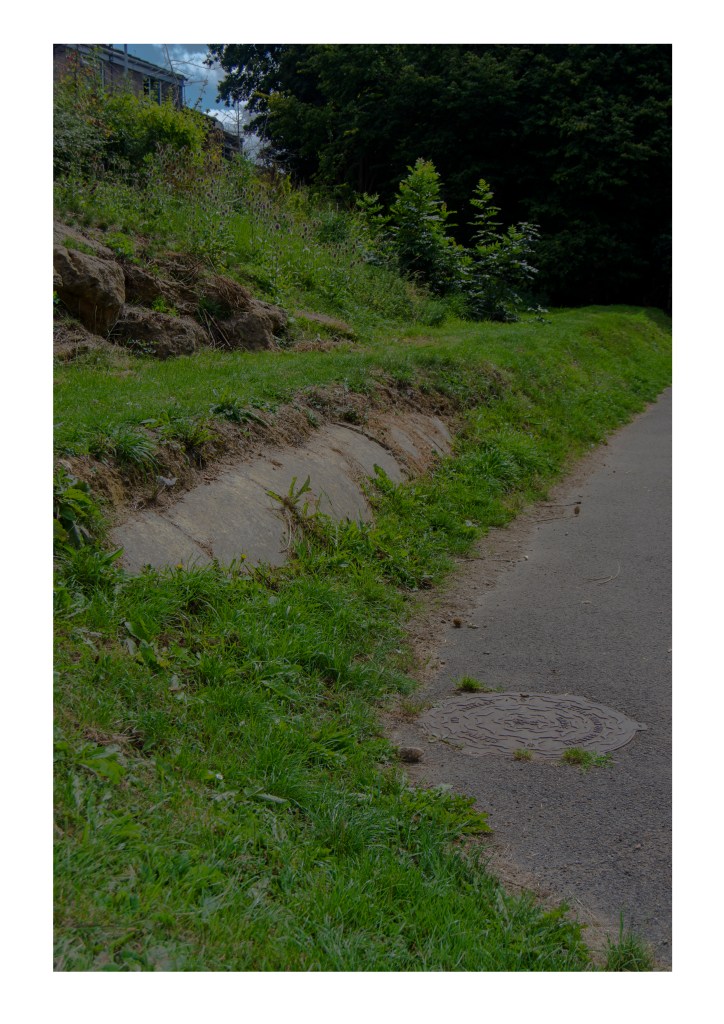
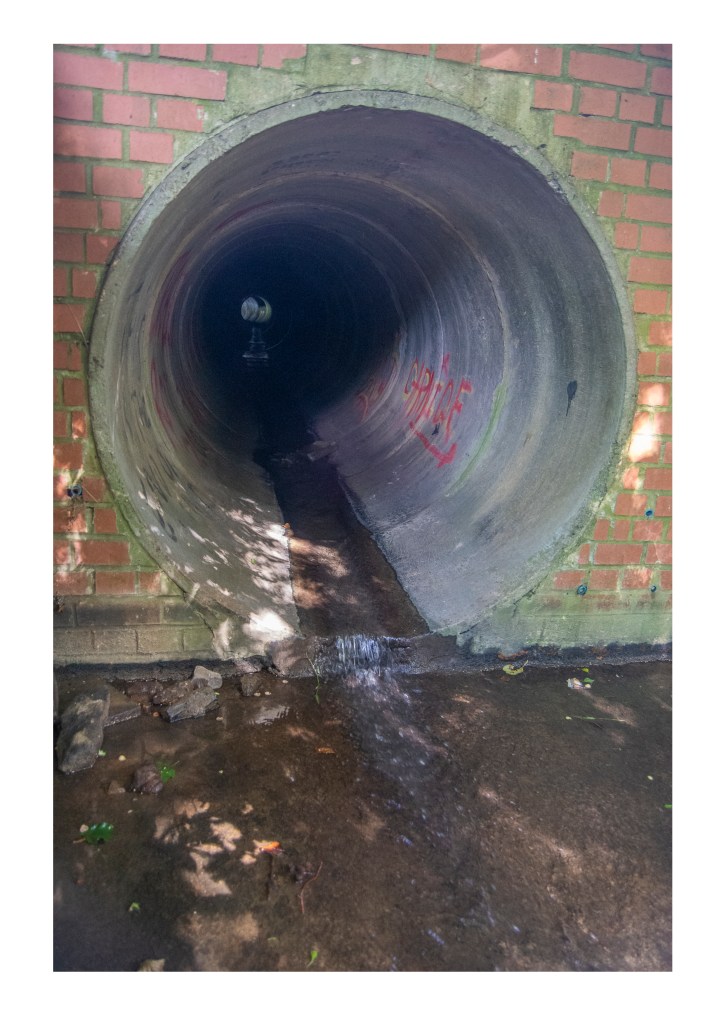
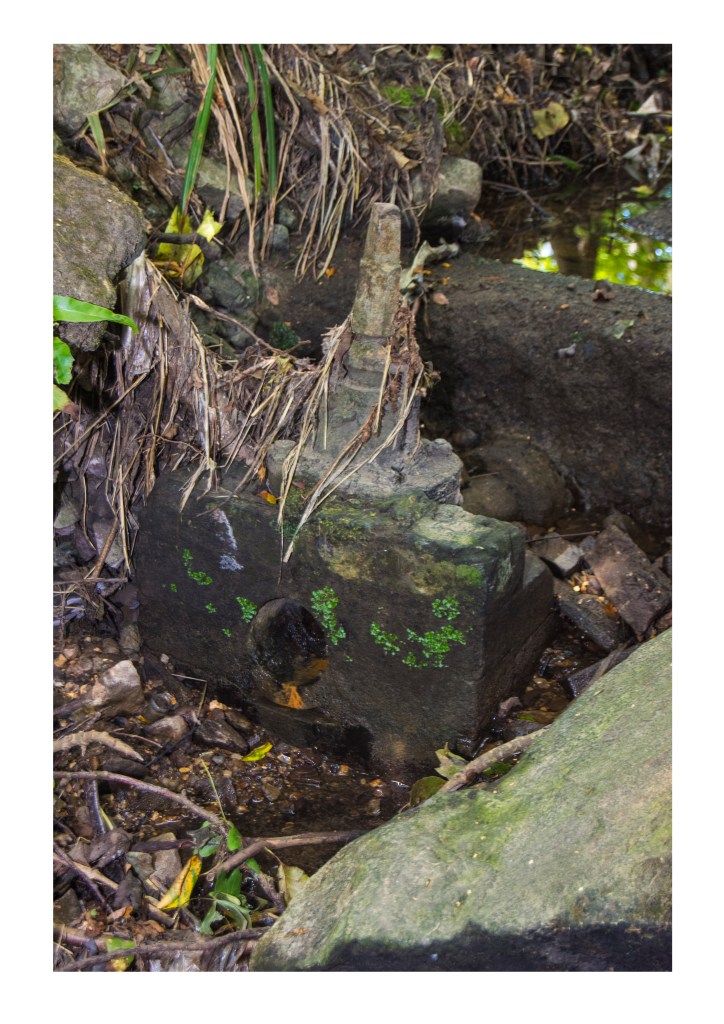
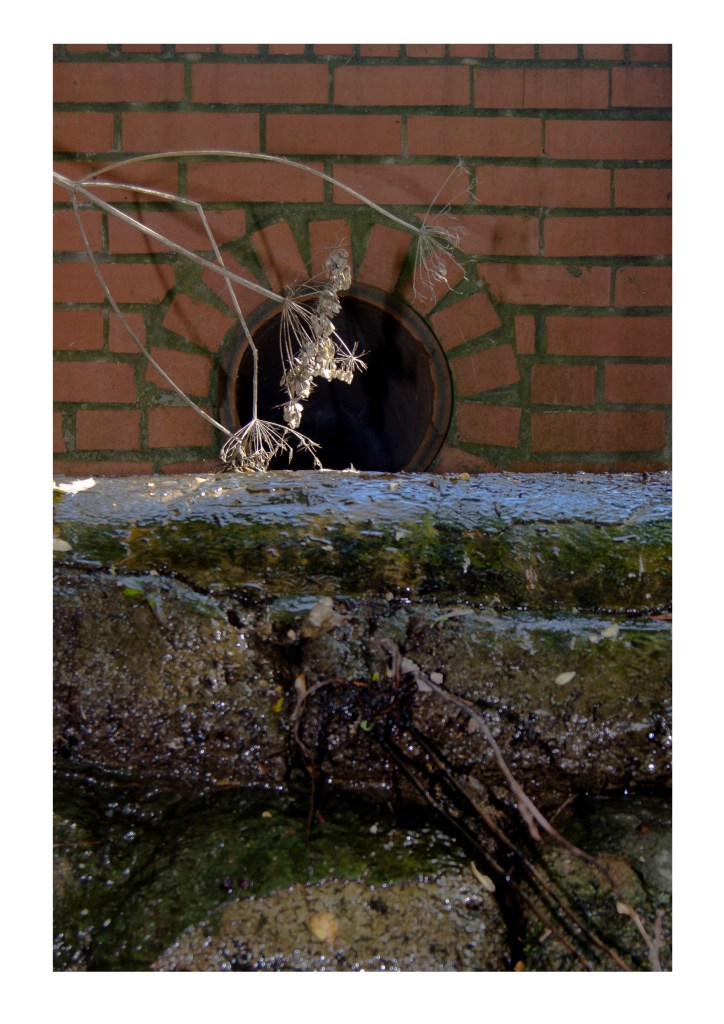
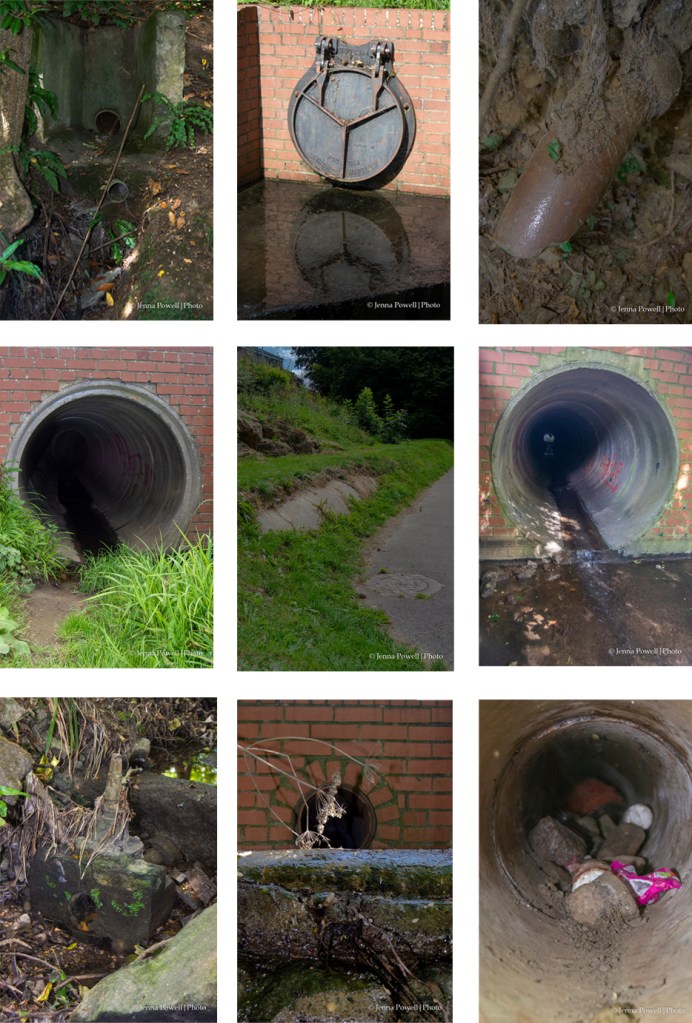
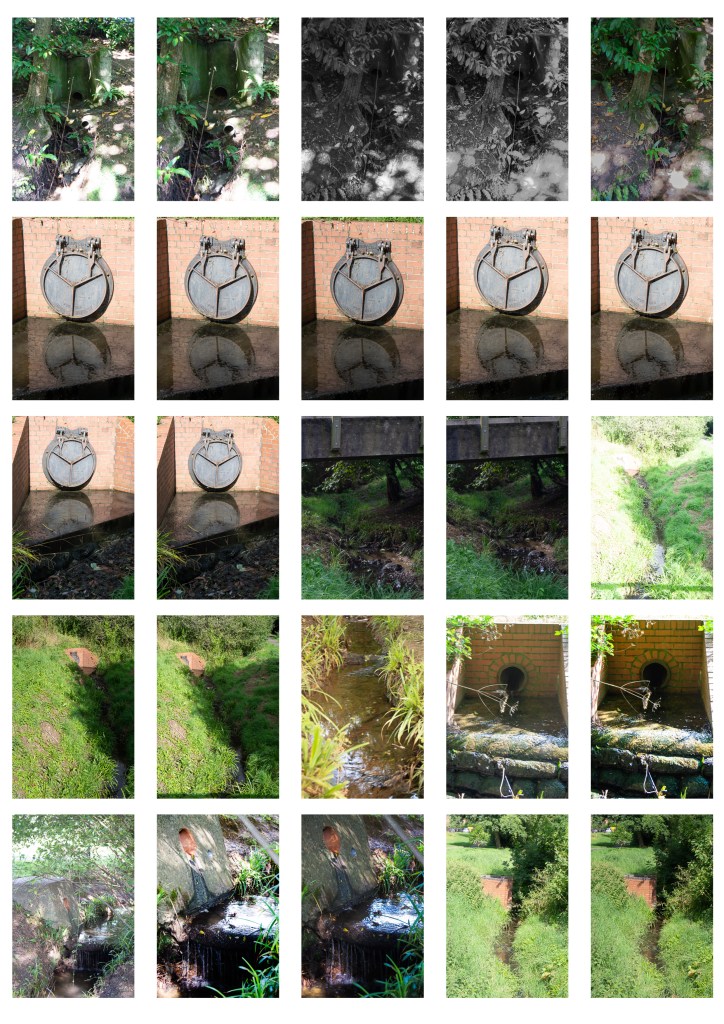
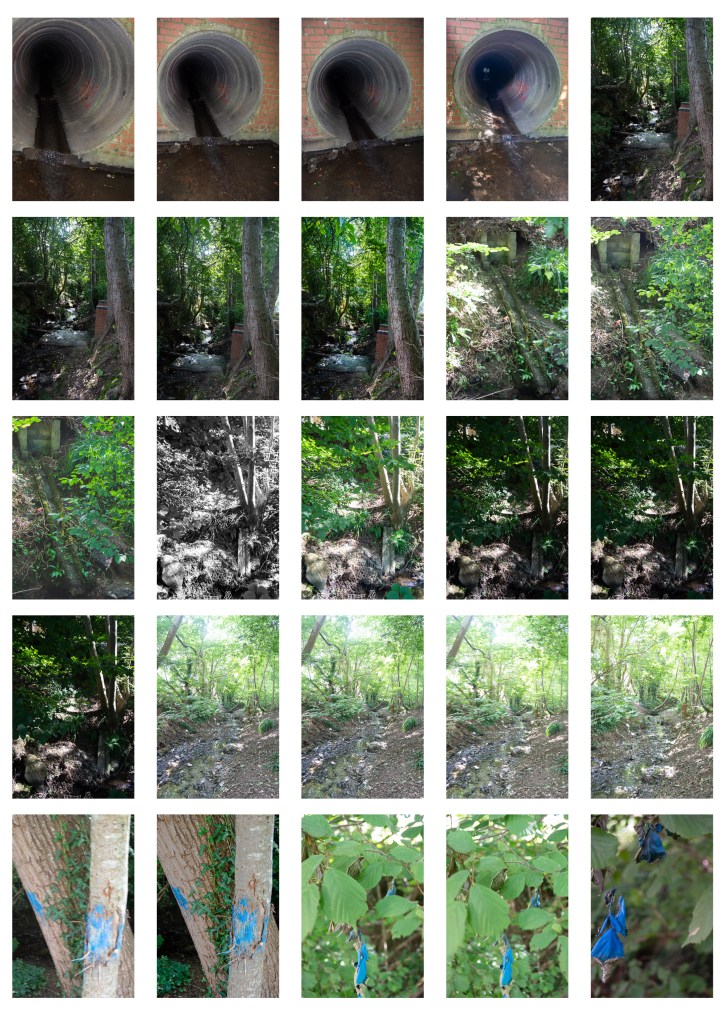
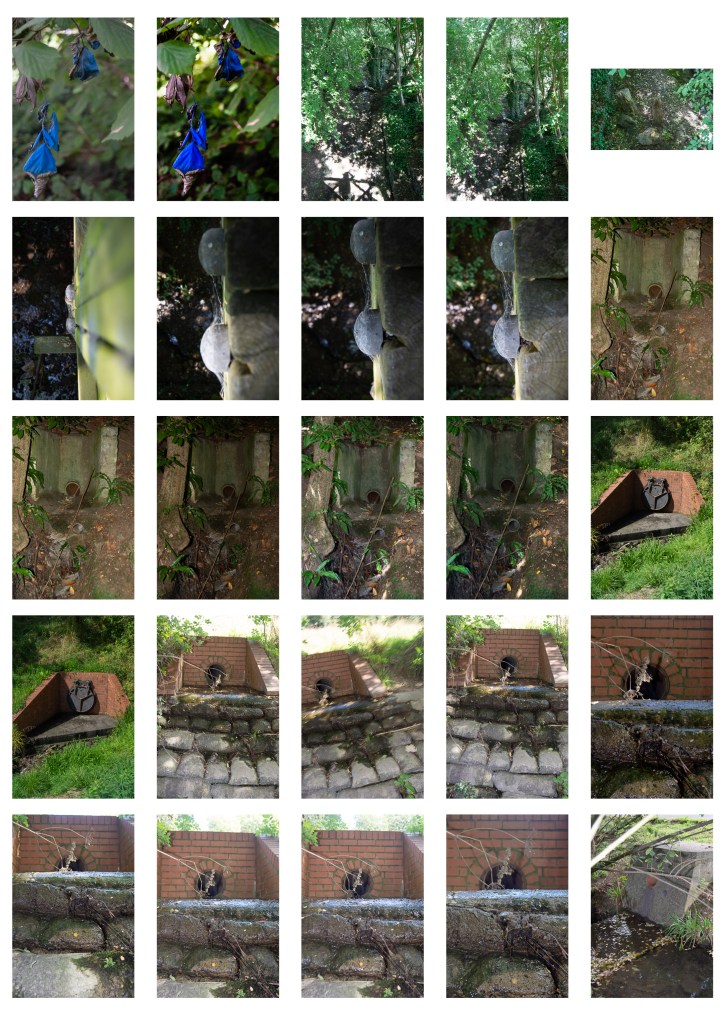
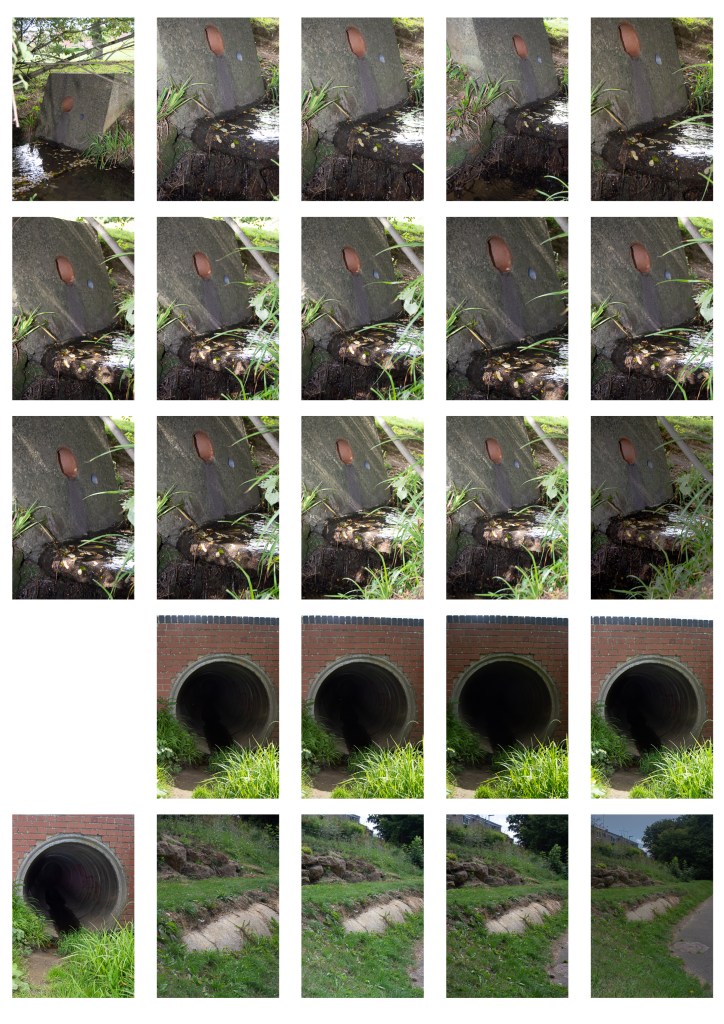
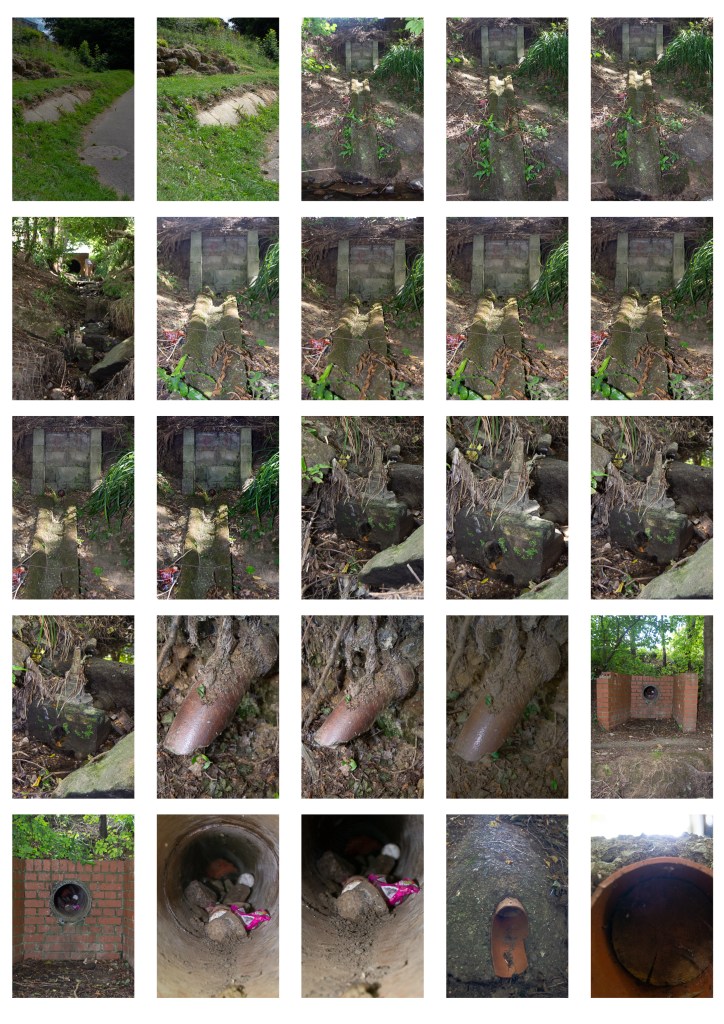
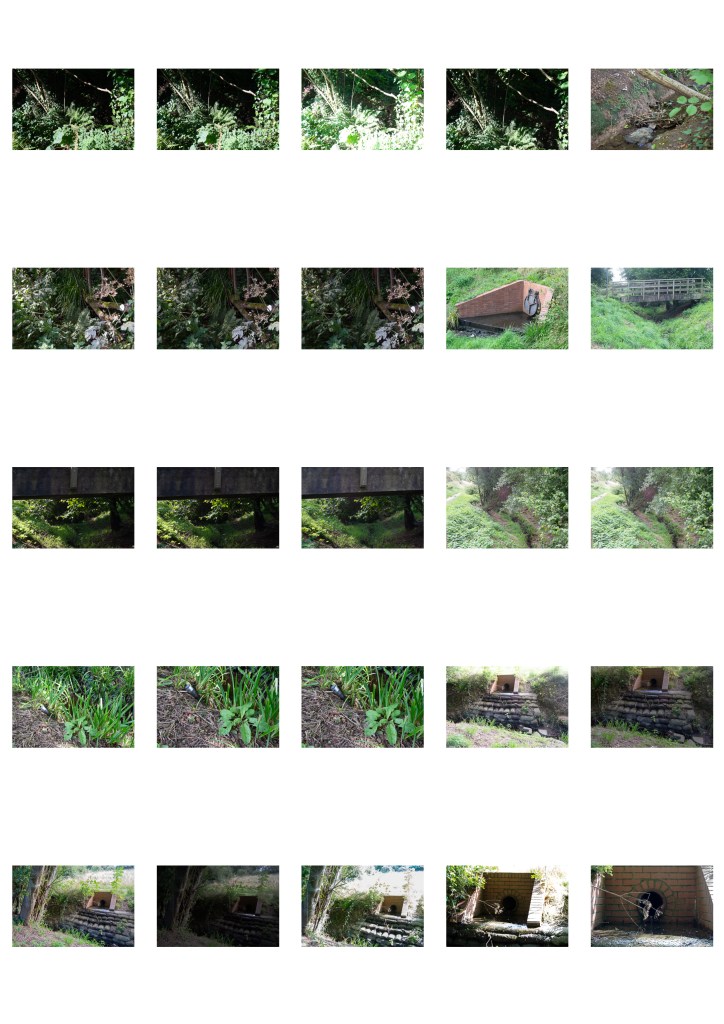
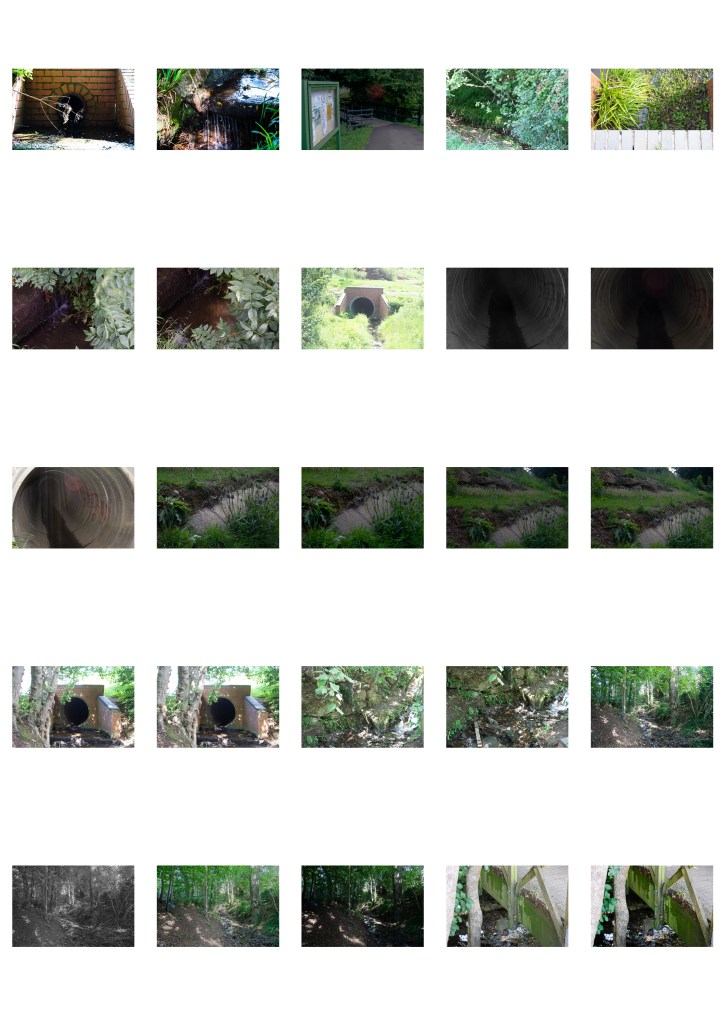
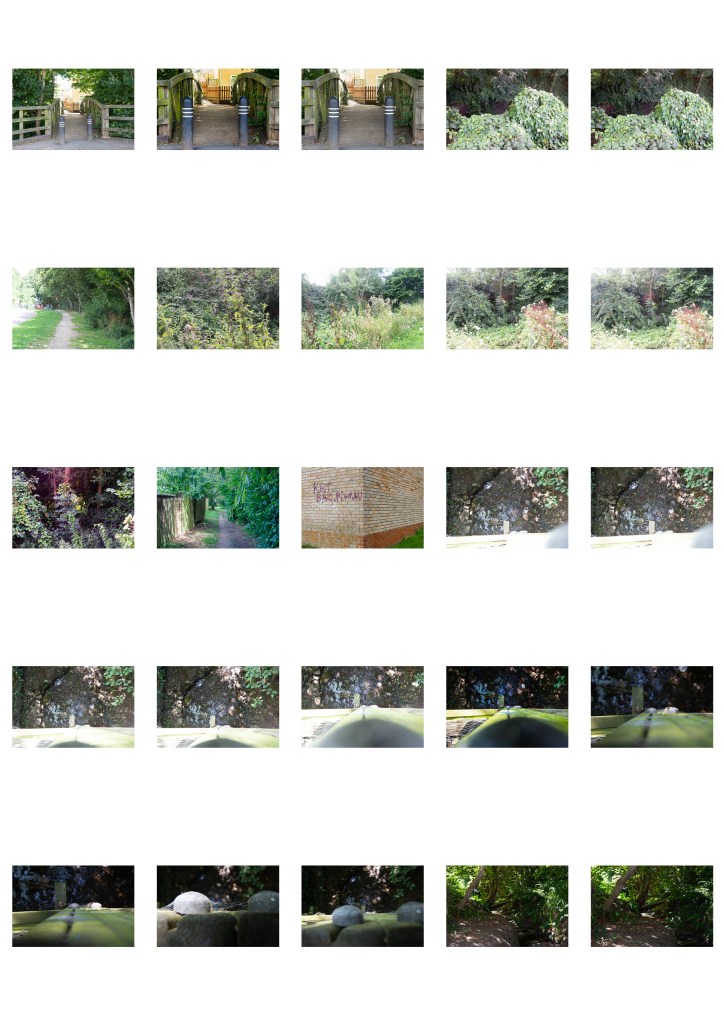
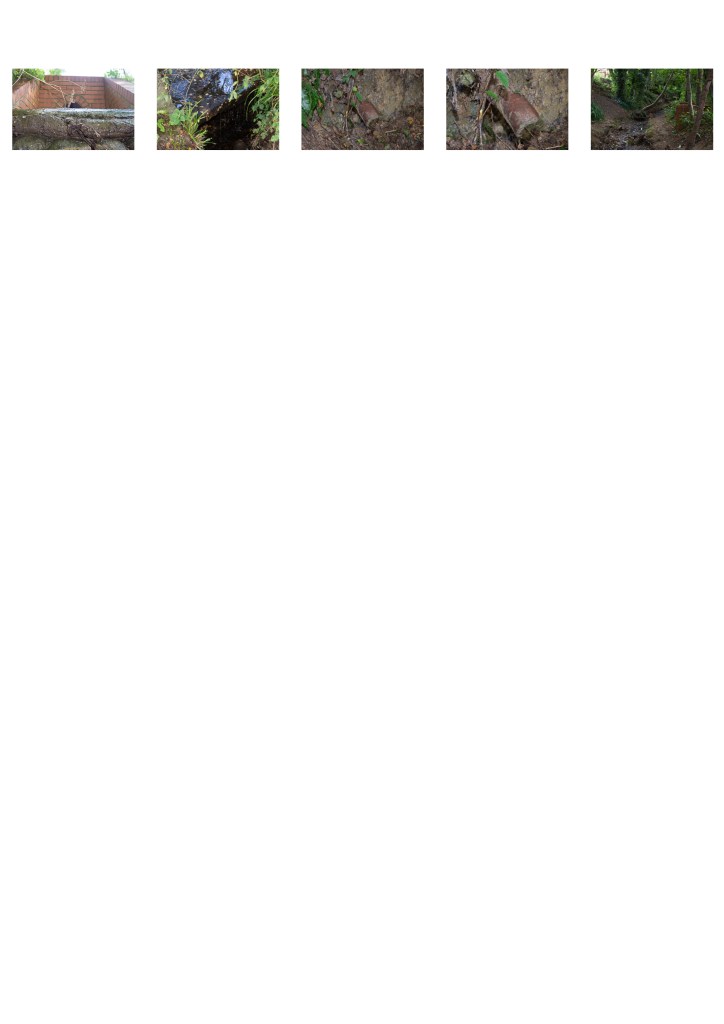
My initial response to the brief was that I wanted to take photos of the River Yeo and the streams that feed it as they make their way through Yeovil. This idea changed very rapidly after I spent two hours photographing a half mile stretch along one stream, focussing on culverts and other water drainage features that emptied into the stream.
The practitioners that influenced me during this project were Roni Horn and Keith Arnatt. Horn’s images from Another Water (2011), made me think of using the course of the streams and river as a way to link between each image. Arnatt’s work Miss Grace’s Lane (2007) showed that it’s possible to use things that people wouldn’t normally give a second glance at as the theme for a series of images. In this assignments case the culverts and drainage pipes don’t register, or are never seen by residents because they never get close enough to the stream to notice them. Which leads the question of “do we really know what lies beneath our feet?”
All of the images were taken with the camera handheld. For some images, particularly where I went back to retake images I wasn’t happy with, I used a flash unit.
There are a number of images that I particularly like and feel are quite strong for various reasons.
Reflection is an image that had to be captured at the right time. When I revisited the area to redo some of the images the area beneath the culvert cover was dry and the opportunity to capture the reflection of the cover wasn’t available. This highlighted for me just how much chance and timing play in capturing an image.
What lurks within made me think about the conversation with the dog walker and also another conversation I had with some friends about crocodiles living in the tunnels. At the time I was taking this set of images I didn’t notice the two glowing eyes and the dark shape of what appears to be a cat heading towards me.
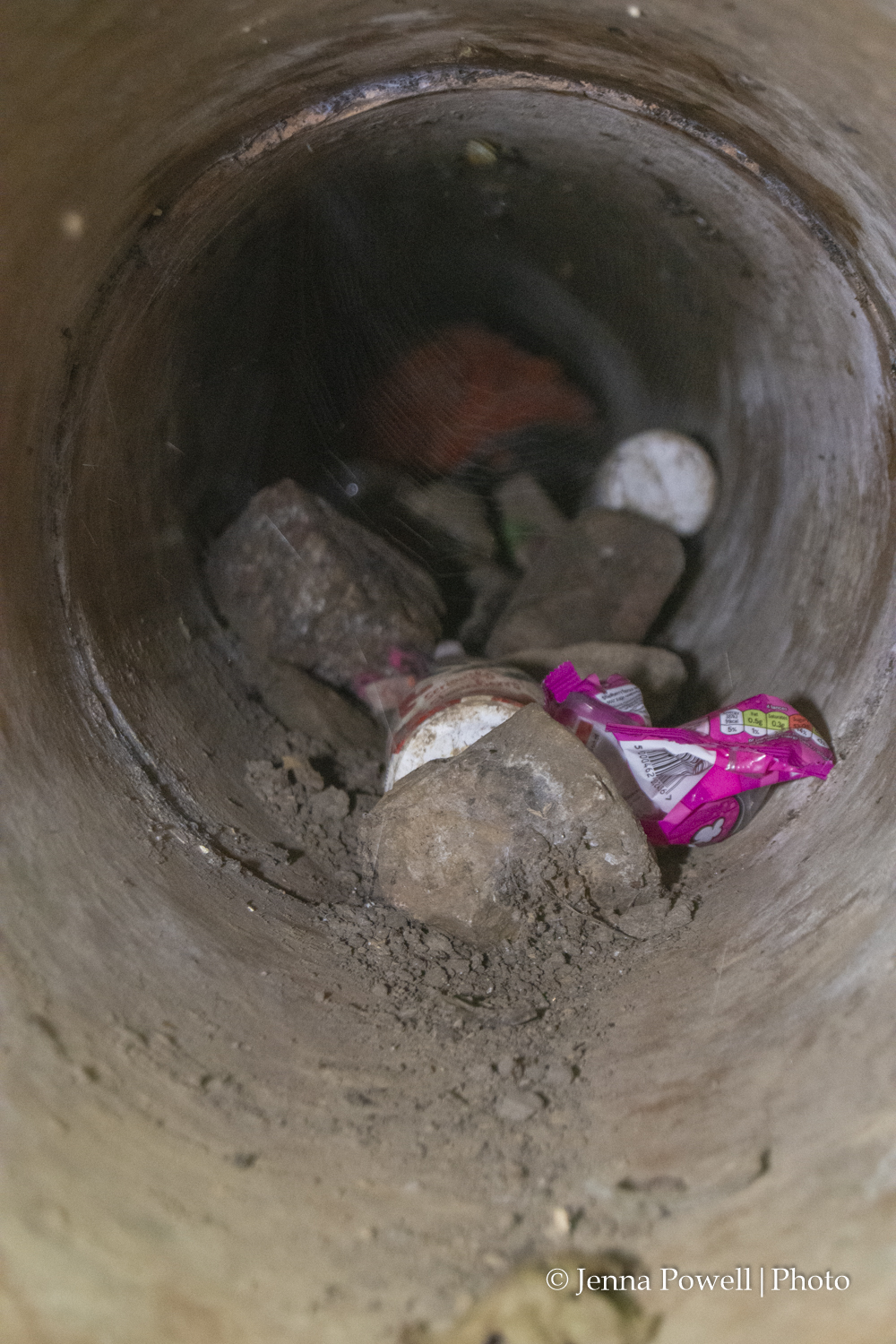
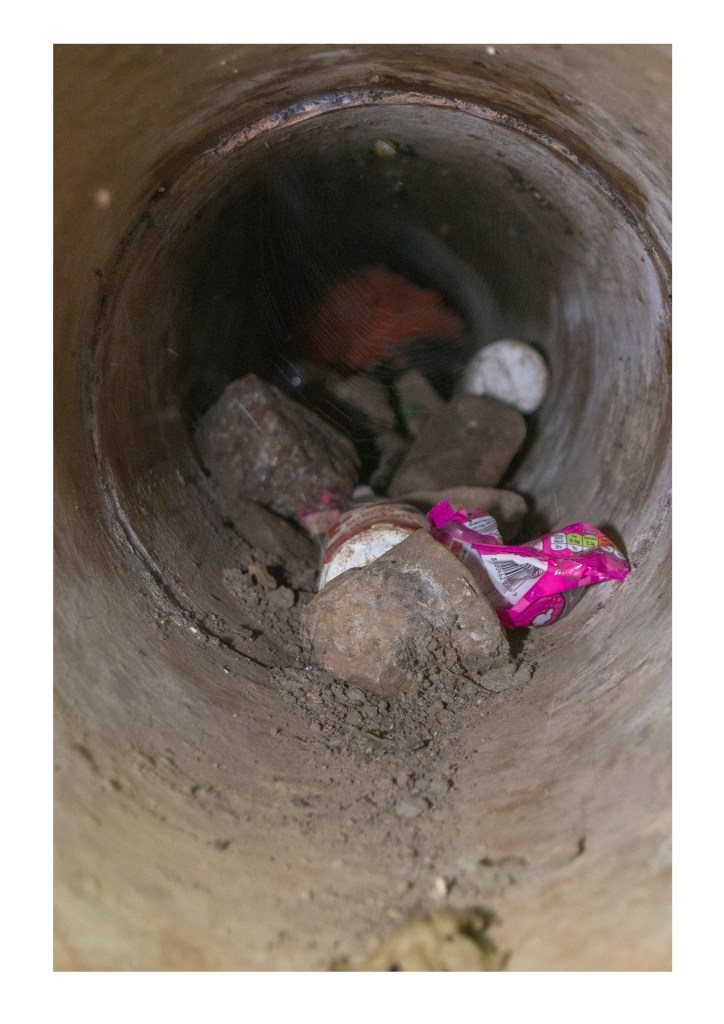
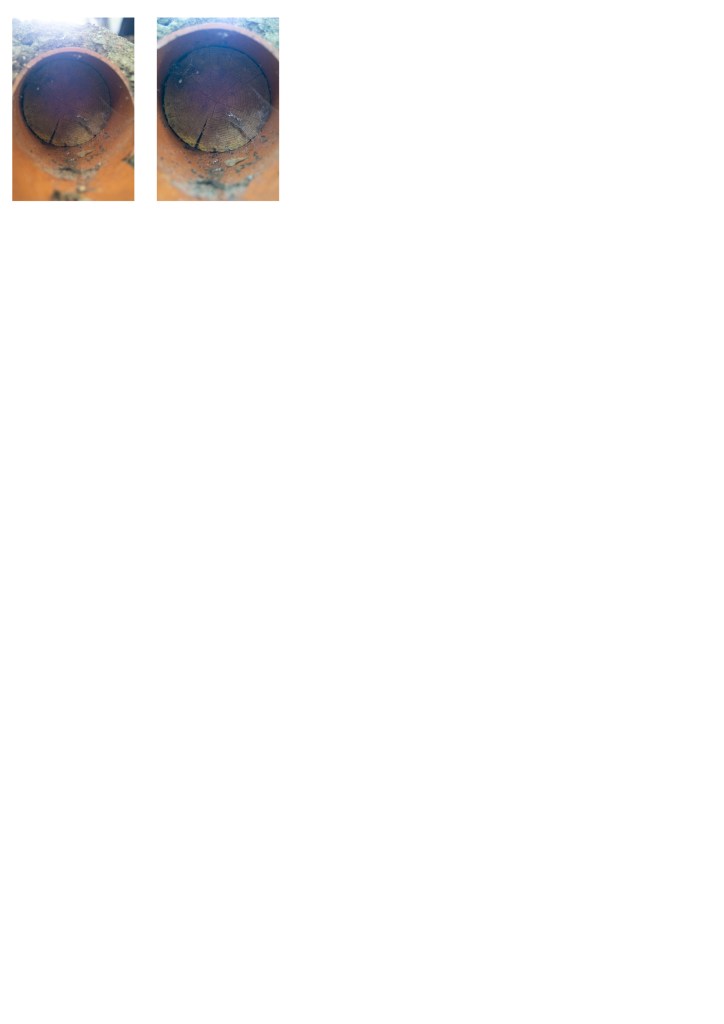
Of the whole set I feel that What Lies Within is the strongest image of the set. I took this using LiveView. The inside of the pipe was just light enough to see the stones and crisp packet near the end but not light enough to see the ones at the back, and also not light enough to see the spider’s web which shows faintly in the resulting image. Where it’s creator is, I don’t know.
My intention with the project is to continue with the initial plan and photograph along the streams and river. I already know of a spot where locals have gentrified an area by adding flowers and other features.
Split PipesReflectionFertilityWhat Lurks WithinWhat Lies BeneathWhat is the Light at the End of the TunnelWhat is this? A Stream Runs Down It What Lies WithinPresentation Layout / Sequence
References
Horn, R. (2011) Another Water: The River Thames, for Example. Gottingen: Steidl
Hurn, D and Grafik, C (2007) I’m a Real Photographer Keith Arnatt. London: Chris Boot Ltd
My first attempt at this exercise, for which I have no copies of the photos because I wiped the memory card before checking that I’d copied the images off, was of two of my neighbours cats sitting on top of the garages next to my house.
Reviewing the images I could see that I’d done what the exercise had called for, positioned a point at various points within the frame, in this case one of the cats, using the Rule of Thirds.
The resulting photos were extremely boring. A cat on top of the roof of a beige garage wall with no features does not make for an interesting image. No matter how you move around the image is still going to be the same, just with a cat in a different position.
With this in mind I decided that for the next attempt I would have to take in to consideration the rest of the scene so that moving the point around would still allow for an interesting scene.
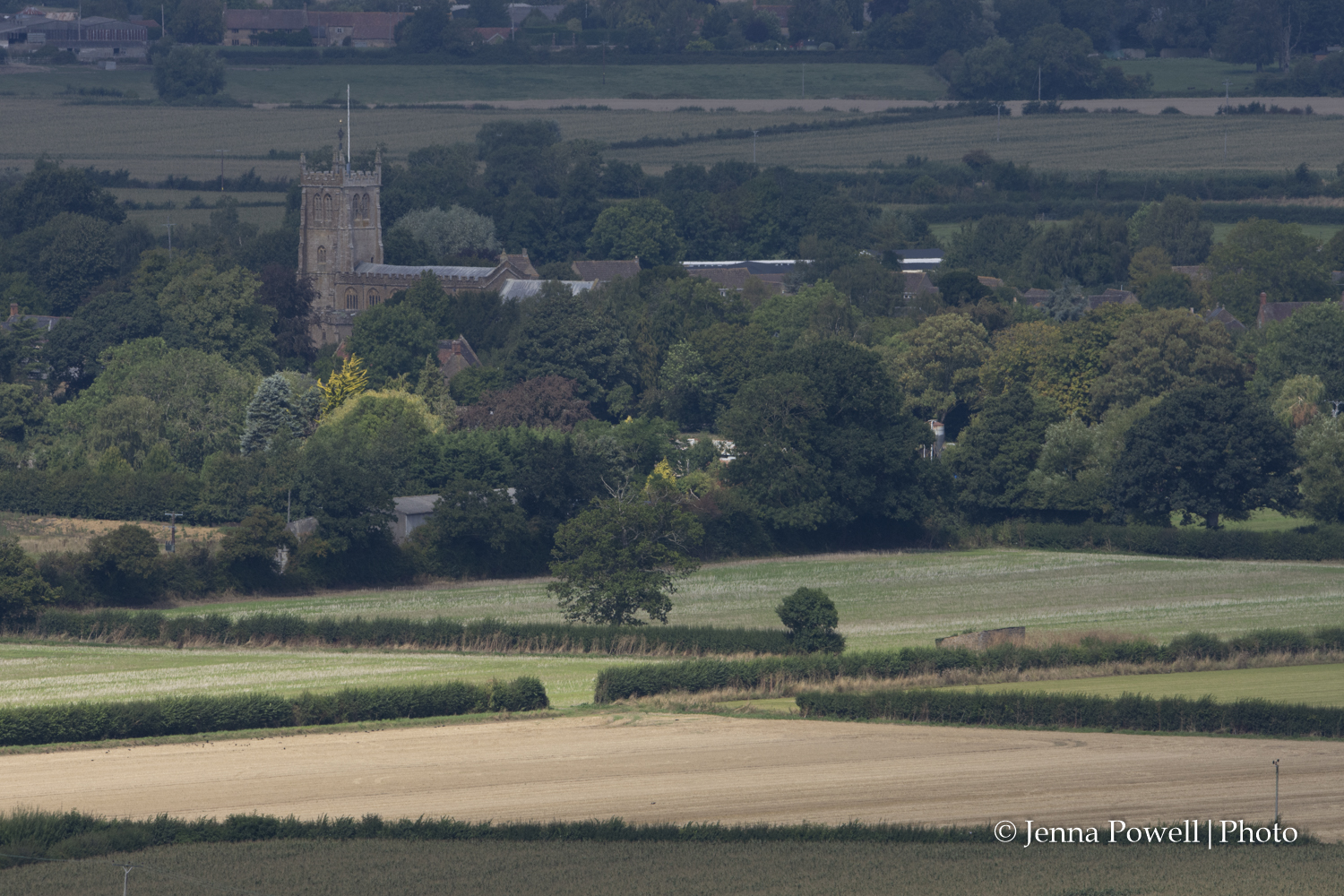
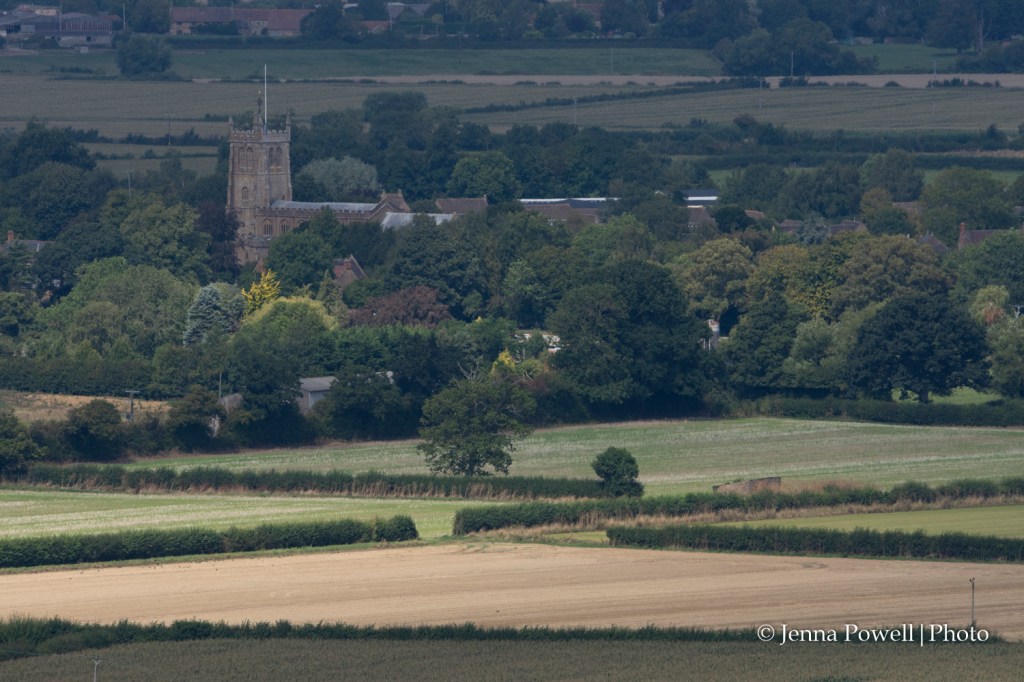
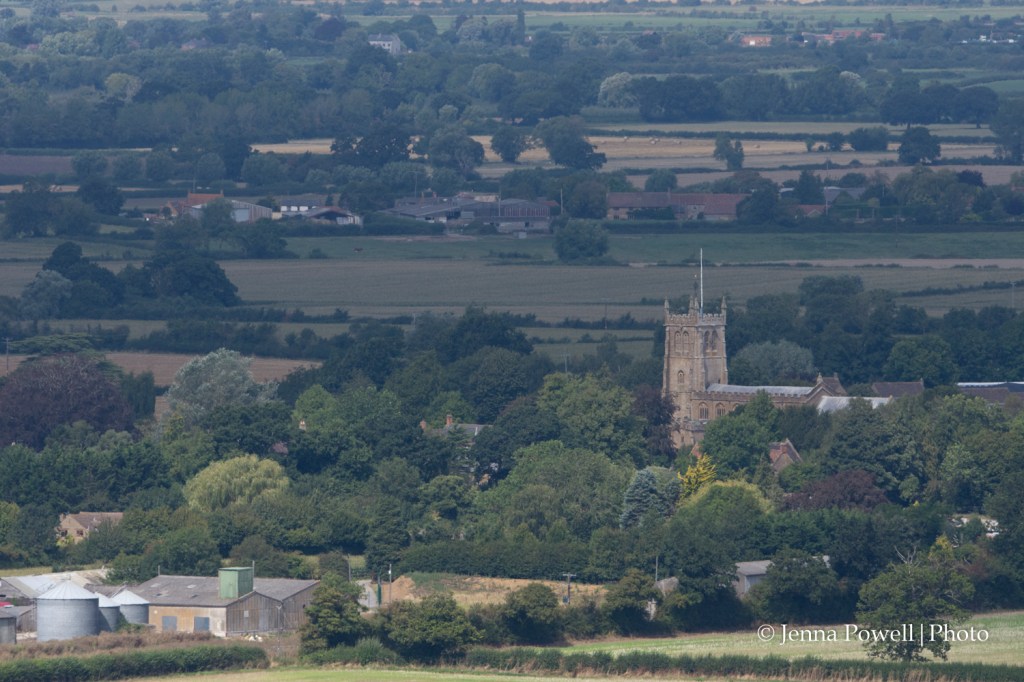
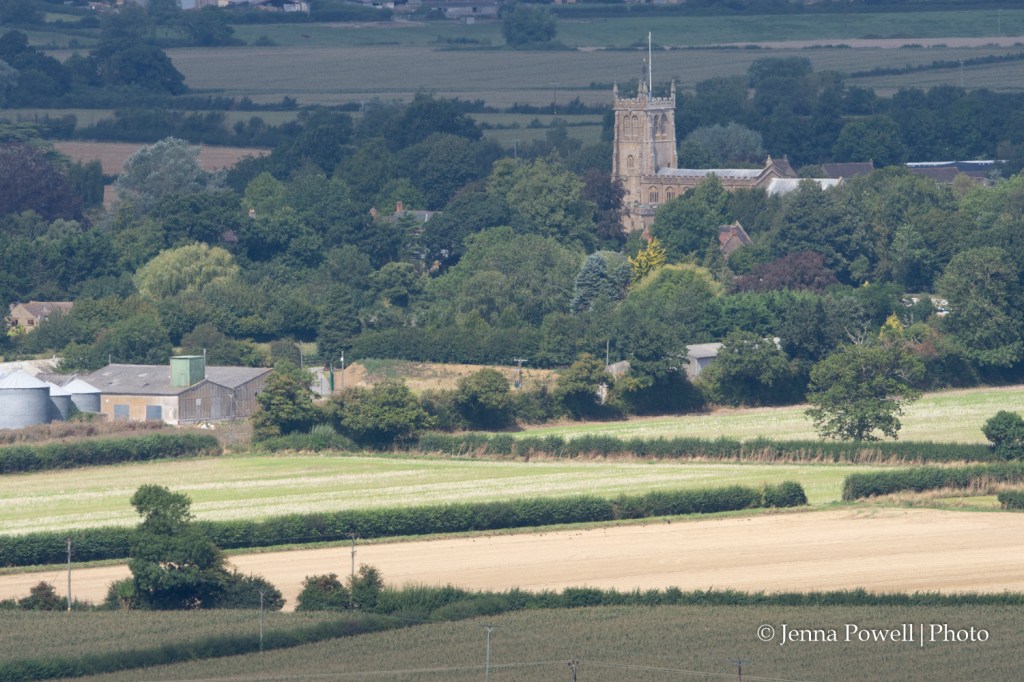
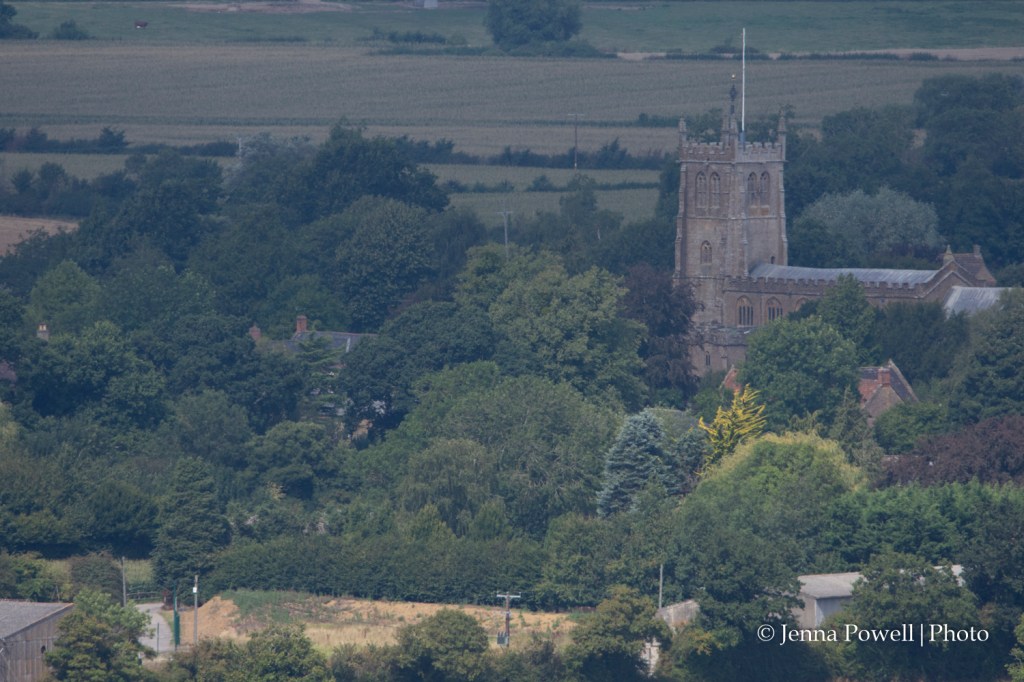
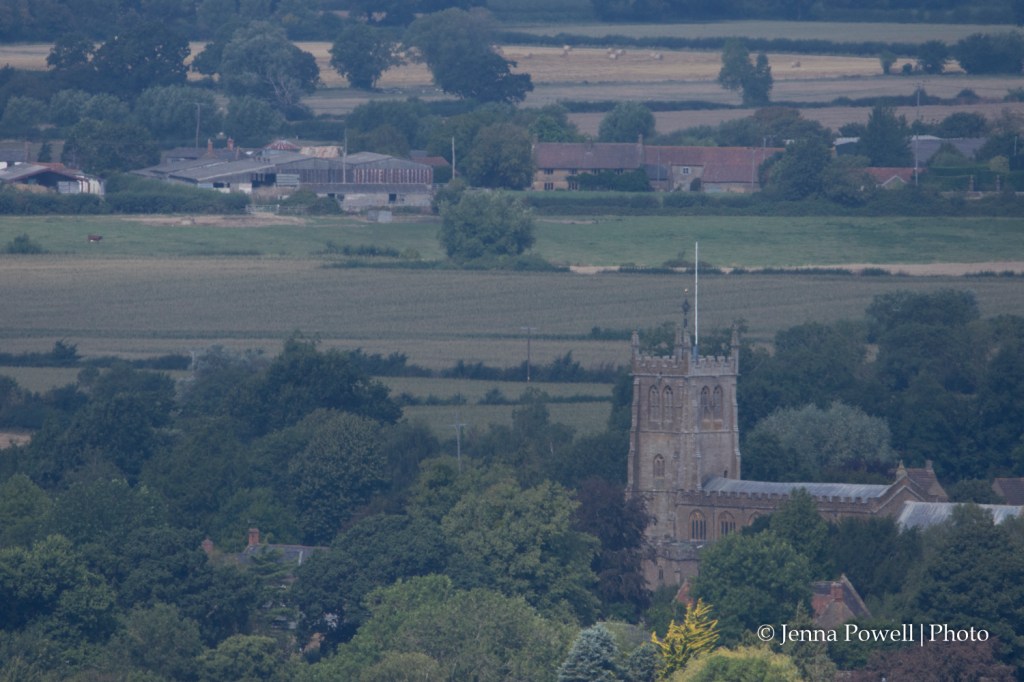
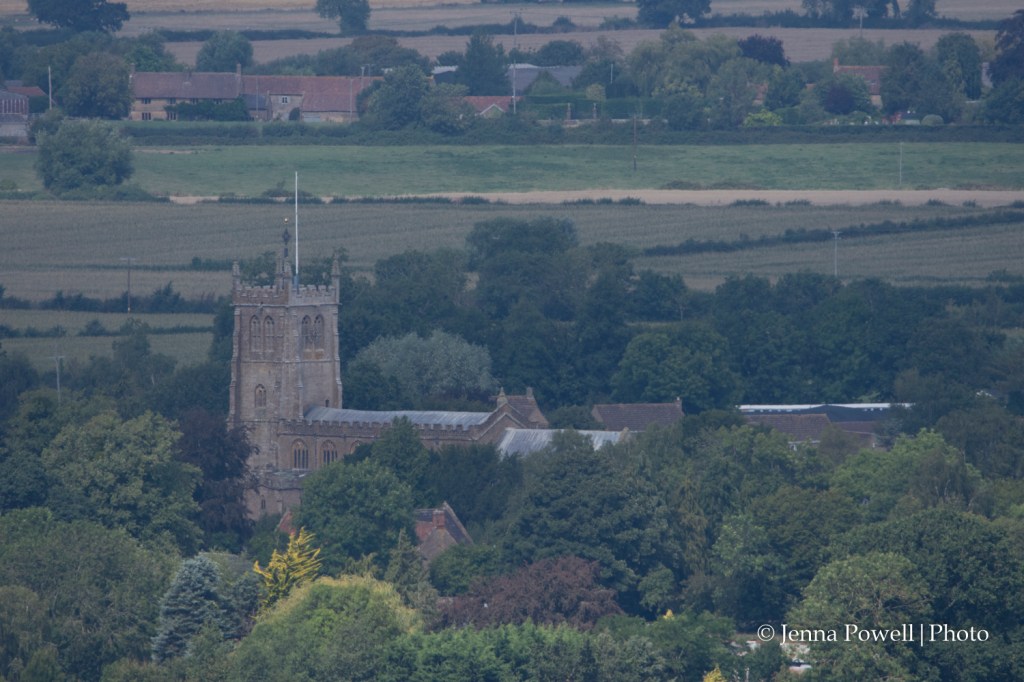
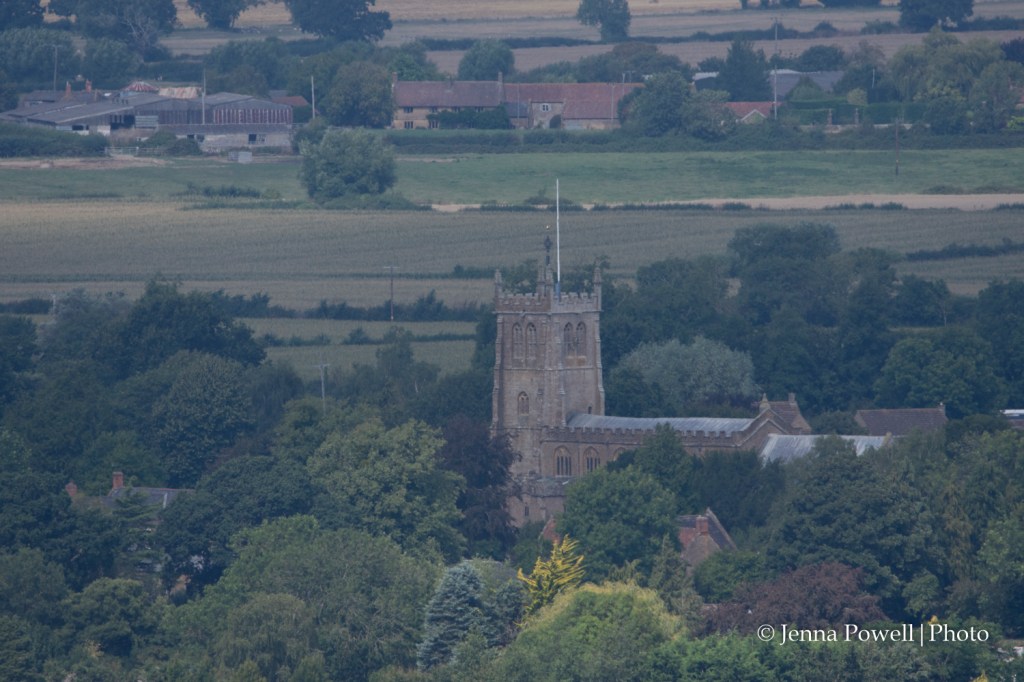
The images below were selected from the entire sequence of photos based on how they appeared when loaded into Lightroom. All of the images were captured using my Nikon D7200 with it’s grid turned on. Unfortunately the Nikon D7200 grid is in quarters and not thirds so the photos I spent time aligning with the grid ended up with the points, in this case the church, not conforming to the Rule of Thirds. However, Lightroom has a crop that does conform to the Rule and so it was possible to find some images that met this part of the brief for the exercise.
Another lesson learned. Make sure that you are familiar with your camera when it comes to applying composition rules.
Although the above images conform to the Rule of Thirds when it comes to composing them, I feel that the first of the three is the best because with the church tower being at the left of the main building, there is more space for the whole church building. In the other two images I feel that the church is crowded into the image.
Within the above four images I again feel that the best one is the one where the church tower is to the left of the image (bottom right photo). There is more of a sense of space around the church than there is in the other images. In fact with the top two of the set the roof and chimney of a building to the left of the church draws attention away from the church as it is about a third of the way from the left of the image. As the focus of the image is the church, having this second point is distracting.
The brief for this exercise was to take three or four exposures of the same scene, without changing anything on the camera and keeping the framing the same.
Following that the histogram for each photo was to be examined and the small variations in the histogram noted.
The sequence, along with time info from the camera’s shooting data was to be included in the learning log.
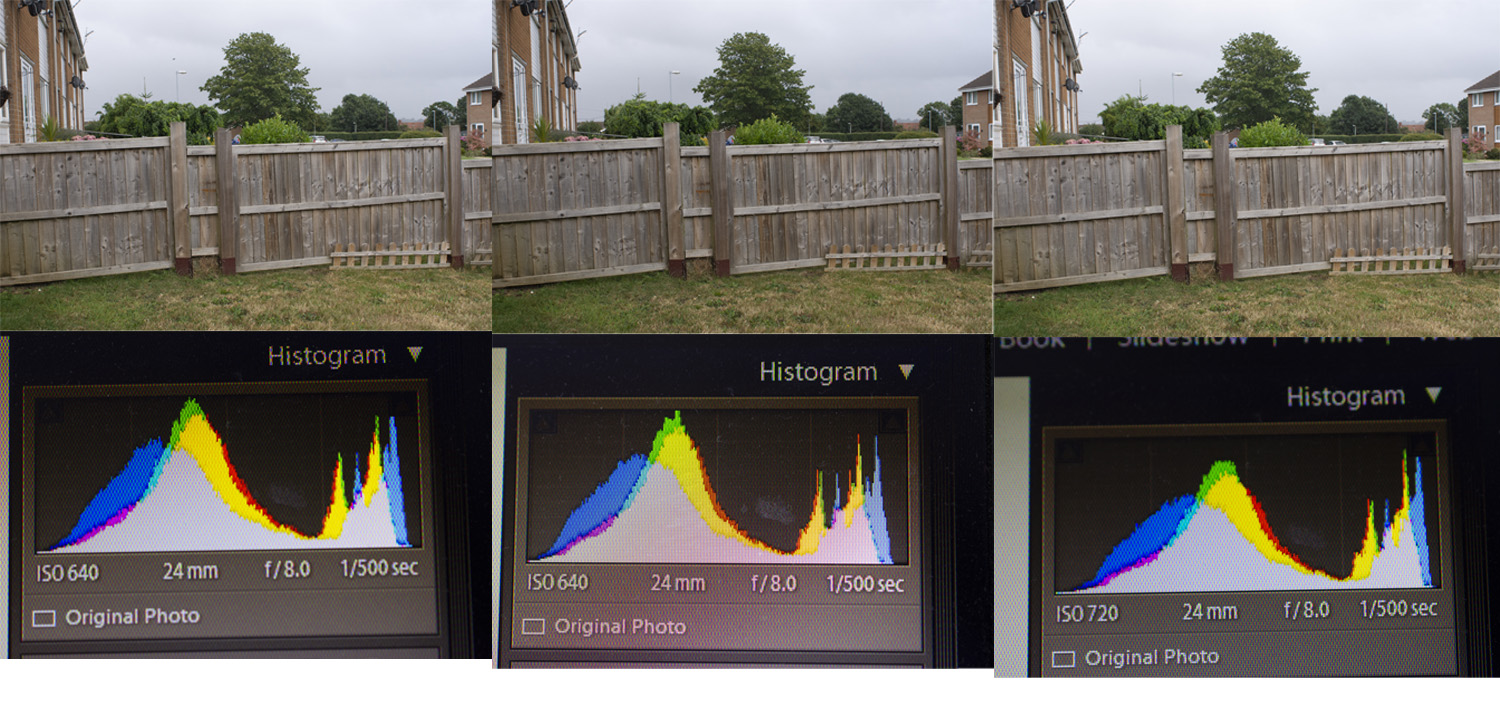
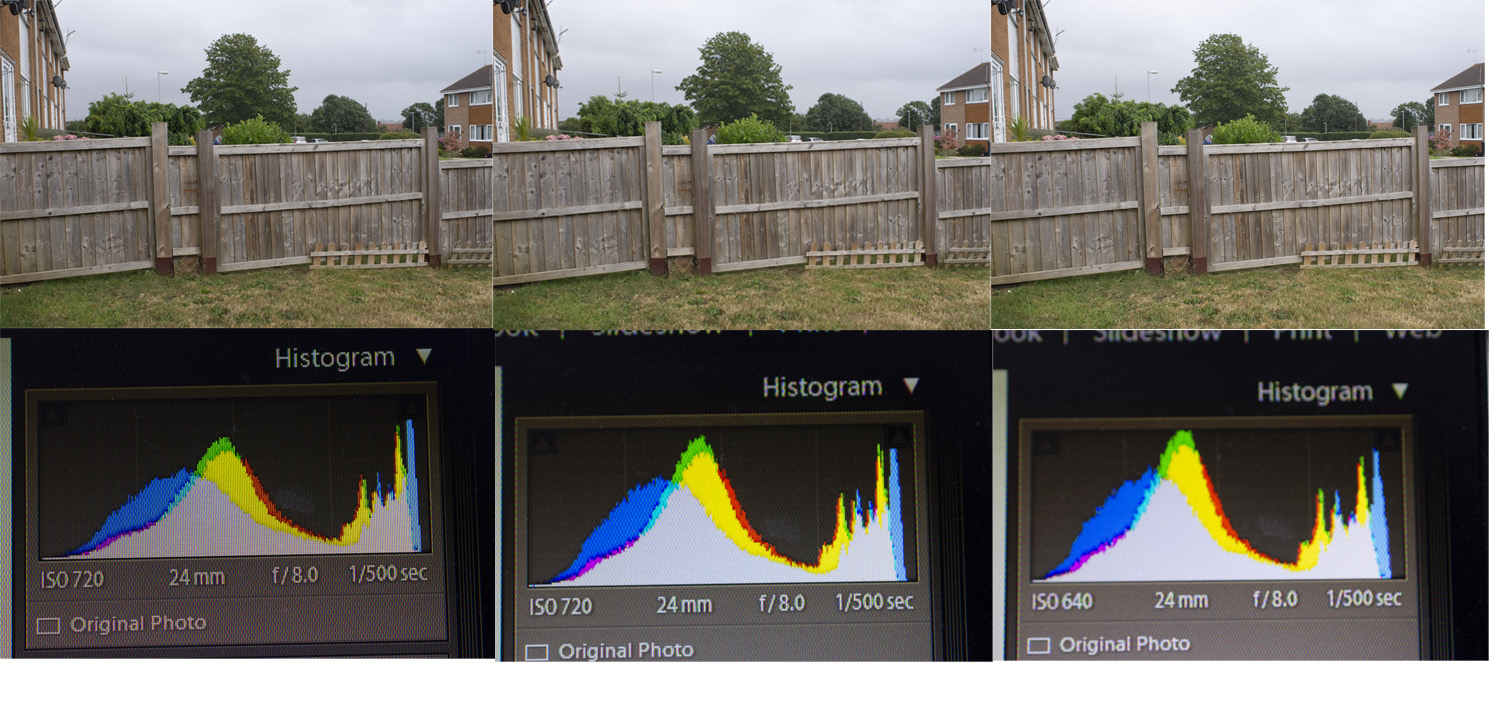
The sequences below were taken on a wet and windy evening between 18:03 and 18:04. Each image in the sequences were taken several seconds apart.
I used a Nikon D7200 with 24mm prime lens mounted on a tripod for this exercise.
Sequence 1
The above images appear very much the same to the naked eye but the camera histogram shows that they are different. The first to are very similar but it is possible to see some variation between the two. The third histogram shows a marked different as the main peak is lower than the first two.
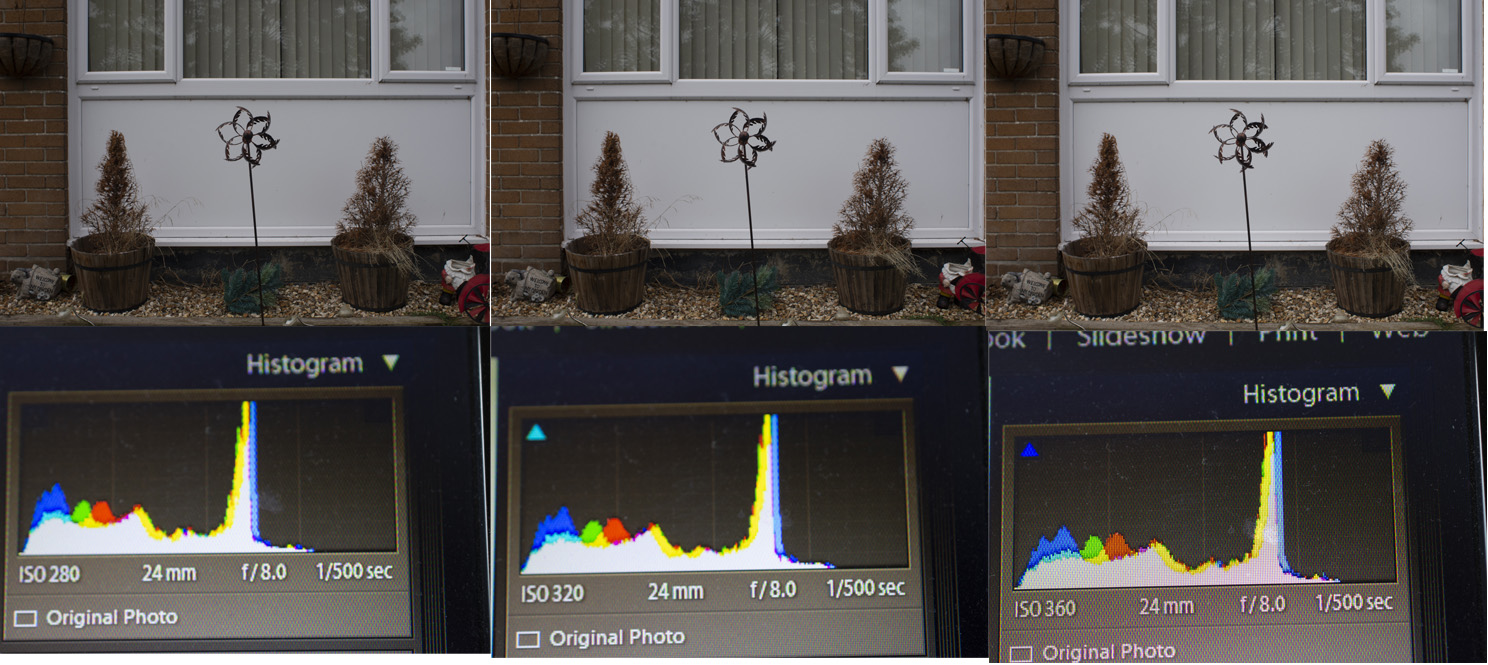
Sequence 2
In the sequence above it is easy to see the differences between the images as the fence appears darker in the first image and bcomes a lot brighter by the third. The peak on the first histogram is smaller than the other two, but as can be seen from the ISO value the camera did adjust between capturing the two images.
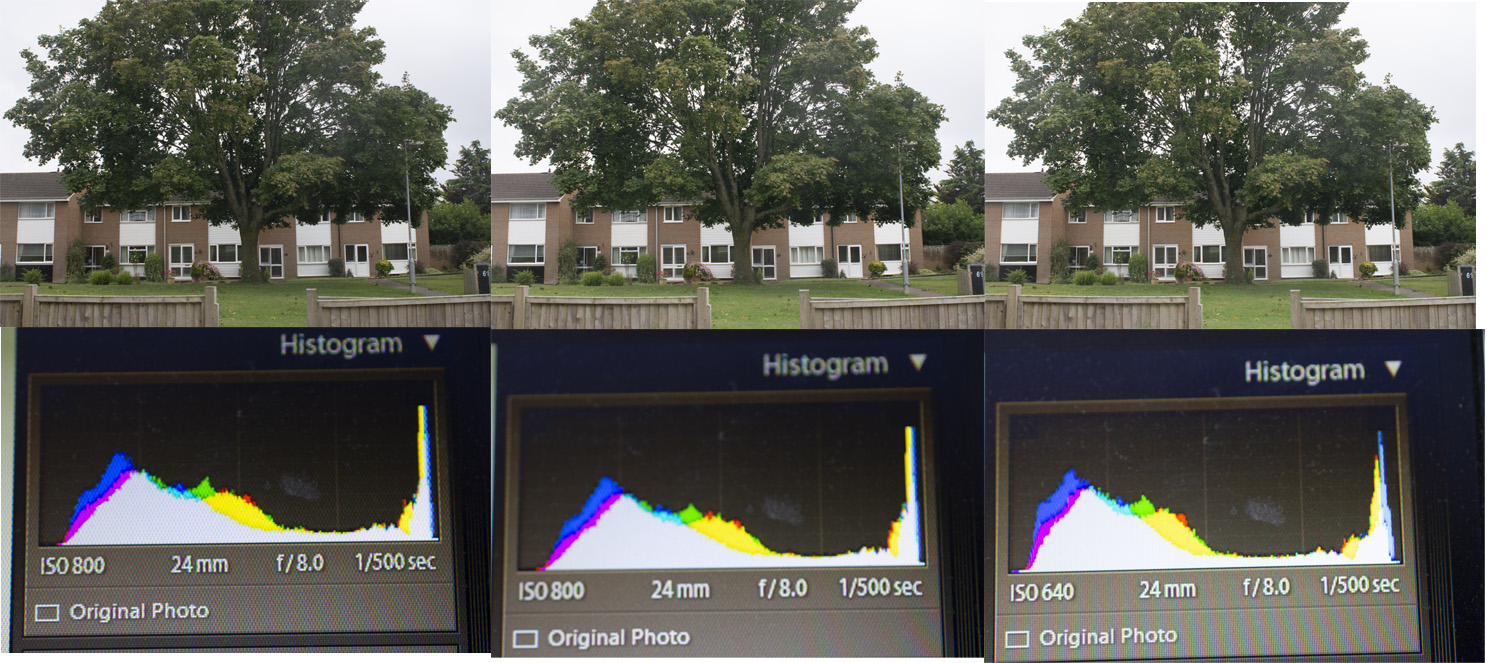
Sequence 3
The above set of images show a marked difference as shown by the blue triangles in the top left hand corner of the second and third histograms indicating that these particular colours are below the bottom of the scale shown. Additionally the ISO (camera was set to Auto mode and so was selecting the ISO used itself) increased across the 3 images.
Sequence 4
Again the camera adjusted the ISO when capturing the images. The histograms appear very similar but it is possible to make out differences. In the thuird image for instance the main peak is compacted compared the the other two.
From the histograms and other camera information it can be seen that even when photos appear very similar there are subtle differences due to movement and change in light. Changes that the human eye would find difficult to detect.
From the webpage above I found my way to a page on the Tate website that showed 133 of Keith Arnatt’s images. One of the first that I saw was the Self-Burial (Television Interference Project). I was familiar with this from the Foundation in Photography (FiP) course. At that point two series of images by Arnatt caught my attention: Walking the Dog and Miss Grace’s Lane.
I find portrait photography a challenge and seeing an entire series made up of just people standing with their dog in everyday locations appealed to me. I like candid photographs and these have the feel that Arnatt simply stopped a person in the street and asked if he could take a photo of them with their dog.
Miss Grace’s Lane struck a chord with me because in the last 12 months I’ve run a route from home into the countryside down small lanes. While running out and back I’ve noticed the rubbish and other items that people have discarded along the roadside and in the hedgerows. Bottles, cans, plastic containers, fast food containers. These seemed like an excellent way to bring home to people the damage we’re doing to our environment, not far away but close to home.
This also fits in with one of the themes I was developing during the FiP course around waste and so it makes sense to continue exploring this theme during this course, whether formally or as a side project.
Looking at the 15 images found on the Tate website for Miss Grace’s Lane the first thing that struck me was that of those where the sky is visible, only three appear to have been taken on overcast days. Of these two of them are of dumped tyres.
The next thing that I noticed was that 6 of the images contained a red (or very close to red) object as the central focus of attention. Arnatt seems to have sub-themes going within the overall theme which would allow for a variety of ways to group the images when displaying them.
I like this image because of the tin with the cats face on the black refuse sack. The objects to its left almost make it look like a cat is emerging from within the bag. Something that could be seen as a comment not just on the way we discard rubbish, but also on how we can discard living things like pets.
Three of Barnard’s project on his website appear to link in to the location and / or autobiographical theme Maybe We’ll Be Soldiers, Boredom to Burn and Journeys by Train.
The first of the three is interesting because of the way in interleaves images of young people with images of vegetation. Sometimes both shown together but also singularly, with single images of a person or vegetation being alternated in between double images.
The area where we live is not just places and things, it is inhabited with people. Including some of these would add to the richness of a set of images that are based around a locality.
Boredom to Burn brings the focus in to very small areas rather than the wider landscape. The majority of these images being black and white, or very similar in tones makes images like the pink, melted paint tin stand out more. The image of the next of eggs highlights the loss of animal life that can occur from a wildfire, something that is missed when media reports on such events because of the focus on human property and lives.
Journeys by Train is an example of how something that million of people around the world do every day can produce works of art when approached with a different mindset. The daily commute is an opportunity to be creative if you allow it to.
The link included in the course material did not work when I attempted to access it. The Art Institute of Chicago website did have a link to an exhibition of Tina Barney’s work and so I’ve linked that page [Accessed 8th August 2019]. However, there was only a single image and no links to other webpages containing the work. I therefore researched Tina Barney’s work at: http://www.tinabarney.com/
Theatre of Manners (http://www.tinabarney.com/#/theaterofmanners/) is a body of work where Tina Barney photographed family and friends in domestic surroundings and was built up over a number of years. The Square Mile assignment could be attempted in a similar way but it would need to be something that developed over a longer period of time than the course allows for in order to justice to family, friends and the places they live and work.
The link included in the course material did not work when I attempted to access it. The Tate did have a link to the exhibition and so I’ve linked to the exhibition page [Accessed 6th August 2019]
In Another Water (2011), Roni Horn produces a series of images of the River Thames that show just areas of water. There are no landmarks or other indicators that would give a clue as to where the the photos were taken. In fact they could have been taken on any river or body of water. The only indication of where they were taken comes in the acknowledgments at the end of the book and is stated simply as Central London during January and May of 1999.
Horn has taken something that tens of thousands of people see every day, the River Thames, and explore how its appearance, it’s texture, how it’s affected by the light hitting it.
Within the series three photos drew my attention more than the rest. The first of these is an image of the Thames while it is raining. The way the surface of the water is lit up leads me to think that it wasn’t a darkly, overcast day but that it was still a reasonably bright day. Maybe it was just a short shower.
The surface of the water is covered with evidence of the rain hitting it. Dozens of small circular areas of ripples where each rain drop has struck the water can be seen. Although I’ve been near water when its been raining I’ve never noticed the effect that it has on the surface of the water. Just this single image has made me want to be more observant when I find myself in that situation.
The other two images that drew my attention are very similar in that they show small waves on the surface of the water but what makes them stand out is the colour of the Thames and the glossy look that it has.
What makes this an interesting book to read is the footnotes, 832 in total. Interspaced between her thought’s on water, it’s opacity, it’s blackness, are thoughts based on films, books and poems. There are also brief descriptions of people who have drowned themselves in the Thames.
Reading through the footnotes I initally thought that the number she had written was a lot, but then I began to notice that occasionally they would repeat. Subtly, Horn introduces certain elements, people, books, poets like Emily Dickinson, all without you realising that you are learning something that might pop up in your memory one day, leaving you wondering where you came across that fact.
Tom Hunter’s Figures in a Landscape is an interesting series of photos. Familiar scenes from the landscape, the White Horse; Cerne Abbas Giant; housing estates; sea shores and lakes, as well as more unfamiliar ones like the statues of Poseidon and Aphrodite. For me, what leaps out from this series is the titles for the photographs.
The Girl with the Wine Glass, a photo taken in a public house or a restaurant, you can see similar photos on social media but the title elevates this one and makes you think of a painting like Vermeer’s Girl with a Pearl Earring.
Producing a series of images based around a theme it would seem is one thing to consider but the titles for each of those images (and whether or not to give them titles) is something that should also be considered.
Cindy Sherman’s Untitled Stills series gives not clue as to what you might see when looking at one of her images, but Tom Hunter’s titles give you a level of expectation as to what you might see. Without seeing The Cult of the White Horse you would not know whether you were going to see a real horse or one calved out of a hillside (assuming you were even aware of the existance of the latter).
Karen Knorr’s Belgravia is a series of images of a group of unidentified people from a certain class of society at the times that Margaret Thatcher has just become Prime Minister and her brand of politics was starting to effect Great Britain and it’s people.
In a similar way to Tom Hunter’s photo titles, Knorr has added captions for her work that give you a bit more to consider when looking at the images. Without the captions the viewer can make whatever assumptions they wish about what is before them. The addition of the captions either influences how the image is seen first of all or forces the viewer to re-evaluate their initial thoughts, depending on whether they are read before or after the image is studied.
Although some of the images and captions are a sign of the time when they were produced some appear as relevant today as they did then. One of the images is of a young man sat at a desk looking out of a window. The caption reads “I wouldn’t vote for any particular party but rather for a Leader.” In light of recent discussions in the media about unelected Prime Ministers, this particular image and caption seems appropriate to the modern day and not just a reflection of the world in 1979.
Peter Mansell’s landscape work shows that when it comes to completing tasks we shouldn’t always think in obvious ways but think laterally and outside the box. We also shouldn’t allow ourselves to be limited in what we set out to achieve.
Jodi Taylor explores childhood places in the series talked about at the link above. For me the idea of revisiting childhood places has some appeal but if I was to attempt that then it wouldn’t be the streets that I grew up on that I’d want to explore, it would be the countryside outside my hometown that I’d go to. The areas that allowed me to be in touch with nature, relatively unspoilt by mankind.
One thing that I drew from the discussion of Jodi’s work was about the need to think carefully about how you present your images and the way that an appropriate way can compliment them.
Summary
Each of the photographers discussed above has elements of their work that could be drawn upon for this assignment. Arnatt’s choice subject matter (Miss Grace’s Lane), Horn’s images of the River Thames, Hunter’s captioning of his images, Taylor’s presentation and Mansell’s determination to do what he set out to.
Having done the Square Mile assignment for the FiP course I want to try and do something different, but also something that fits in with the direction my work was developing during that course. I also want to draw on elements of the photographers I’ve come across both while researching this assignment but also during the course of the exercises and assignments for the FiP course.
References
Horn, R. (2011) Another Water: The River Thames, for Example. Gottingen: Steidl










 Jenna Powell - Expressing Your Vision